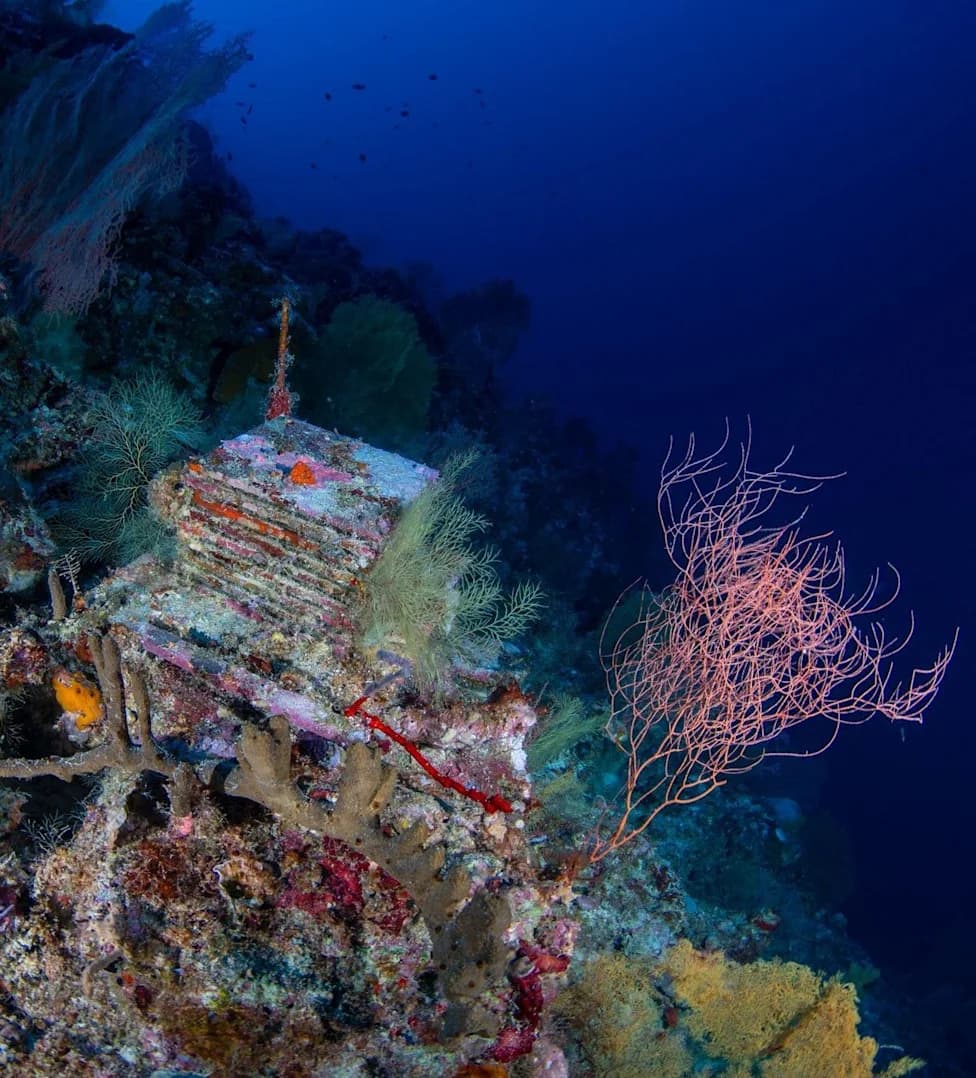
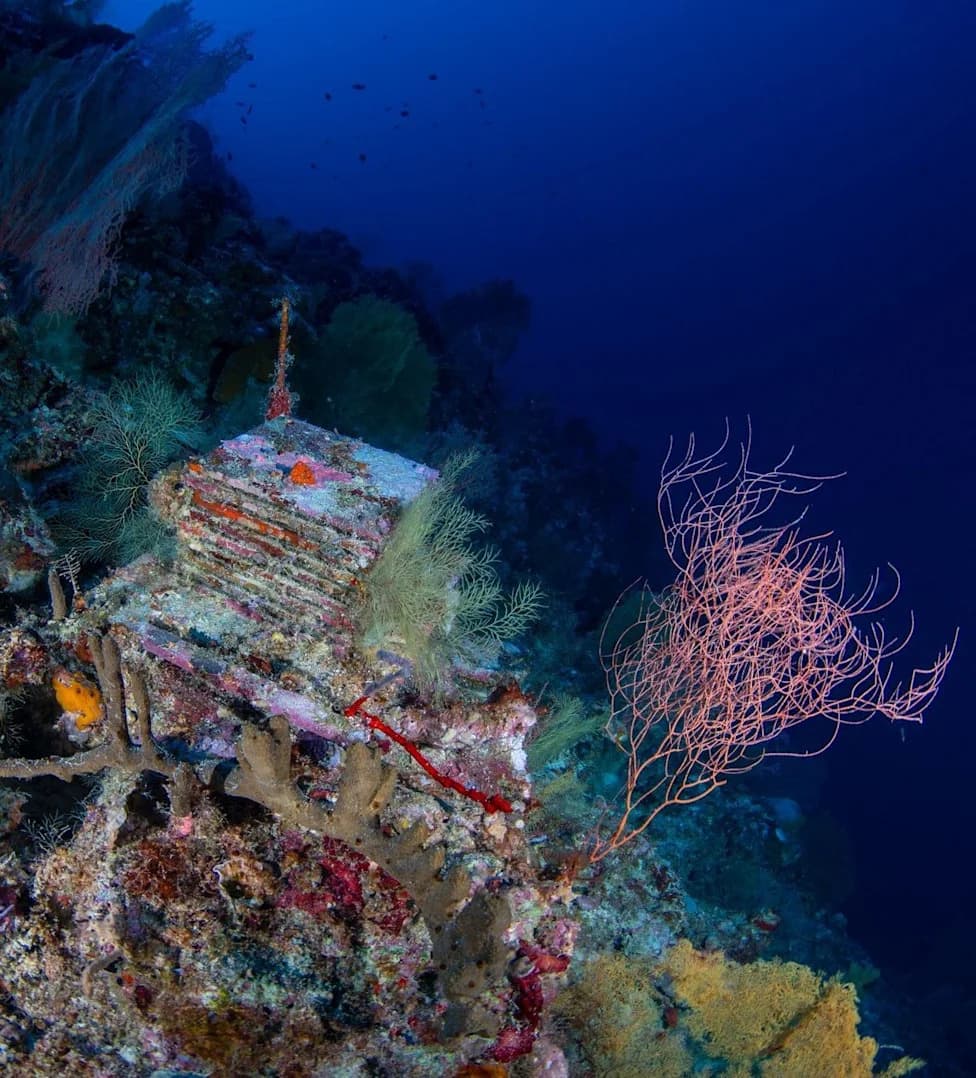
An ROV survey off Argentina unexpectedly mapped a deep‑sea coral reef of about 0.4 km² — roughly the area of Vatican City — dominated by the cold‑water coral Bathelia candida. The expedition, run from the Schmidt Ocean Institute vessel Falkor, also recorded an active cold seep, a whale fall and the rare giant phantom jellyfish. Researchers collected 28 species that may be new to science and say the vibrant site under a productive fishing region highlights the need to map and protect deep‑sea biodiversity hotspots.
Vatican‑City‑Sized Deep‑Sea Coral Reef Mapped Off Argentina
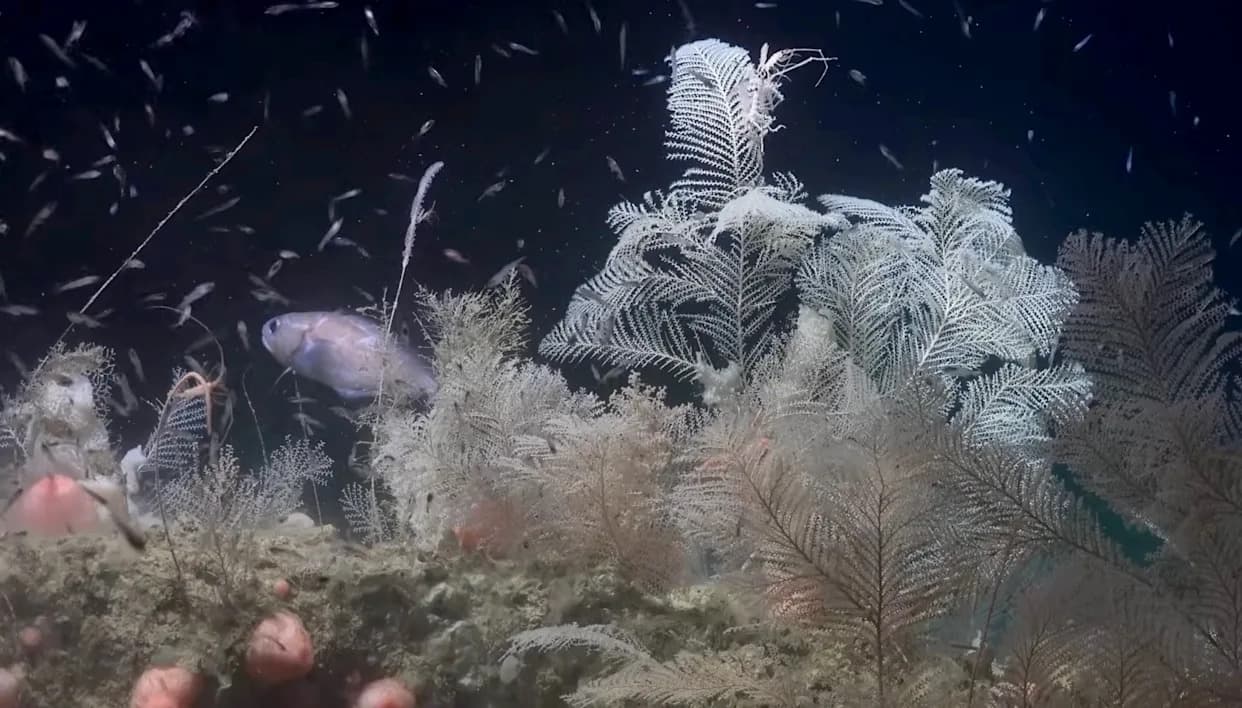
Photo Credit: Schmidt Ocean Institute
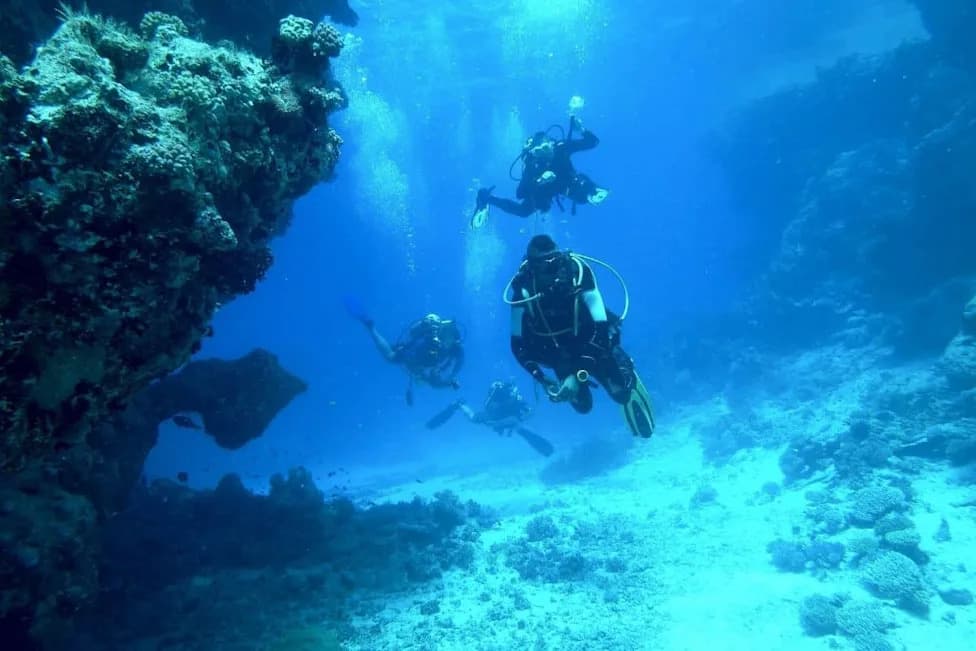
An unexpected discovery in the South Atlantic has revealed a vast deep‑sea coral habitat roughly the size of Vatican City. What began as an expedition to study chemical‑rich cold seeps instead uncovered an expansive reef built by the rarely seen cold‑water coral Bathelia candida, along with a rich community of other deep‑sea life.
The remotely operated vehicle (ROV) survey, conducted from the Schmidt Ocean Institute research vessel Falkor, mapped the reef at about 0.4 square kilometers — the largest Bathelia candida reef recorded so far, according to ScienceAlert. The team also documented a nearby active cold seep, a deep‑water whale fall and sightings of the elusive giant phantom jellyfish.
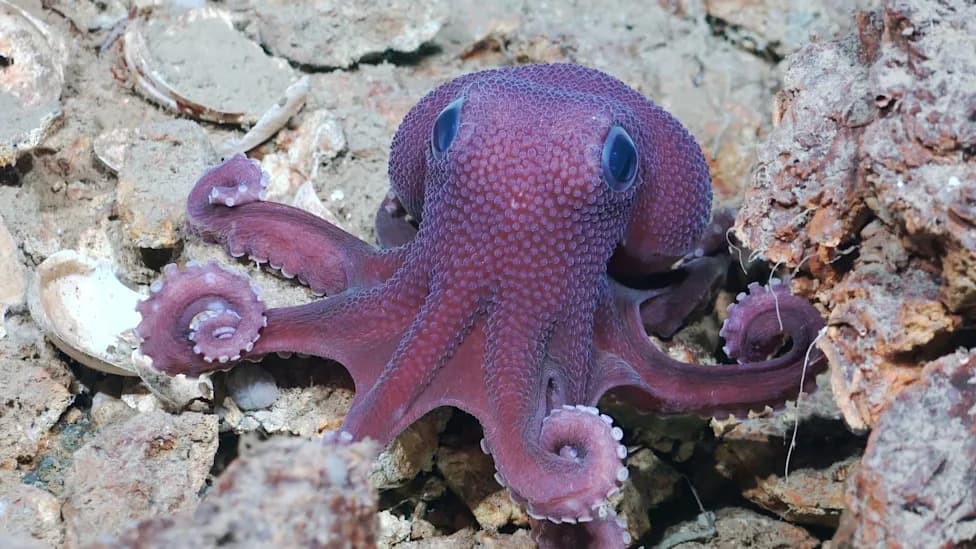
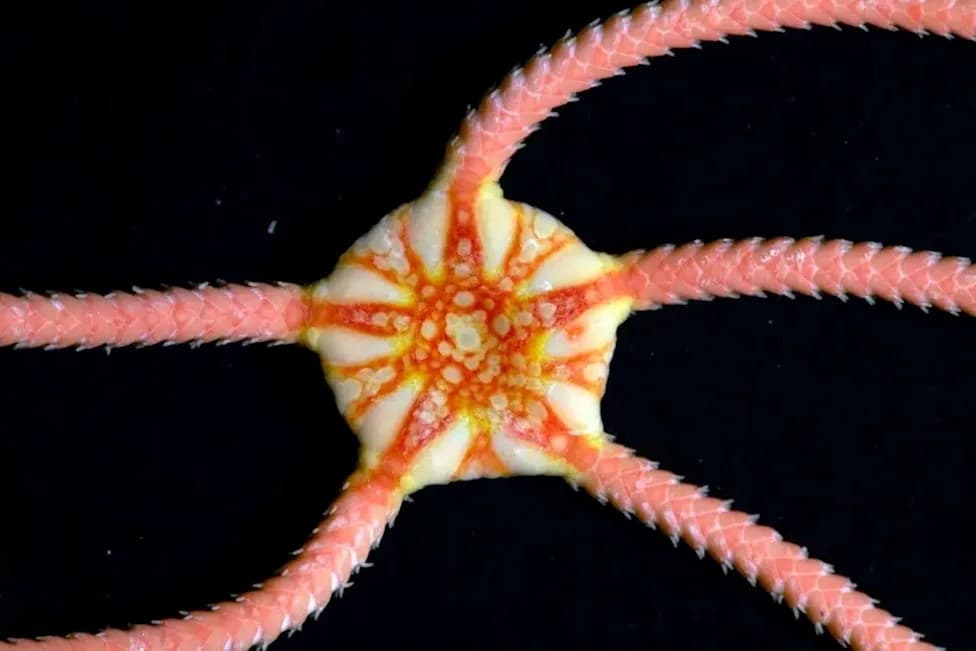
ROV footage begins in darkness before revealing a bustling seafloor: branching coral colonies, basket stars filtering food in the current, crabs traversing the reef and fish moving through the coral architecture. The researchers collected 28 species across the wider survey area that they suspect may be new to science, highlighting how little is known about these deep habitats.
Deep‑sea coral reefs create three‑dimensional habitat that supports whole ecosystems. This reef lies beneath one of Argentina's productive fishing regions, and scientists note the abundance of life above the seabed may help sustain rich ecosystems below. Mapping such hotspots is essential for informing policies on fishing, seabed disturbance and conservation before industrial pressures cause irreversible damage.
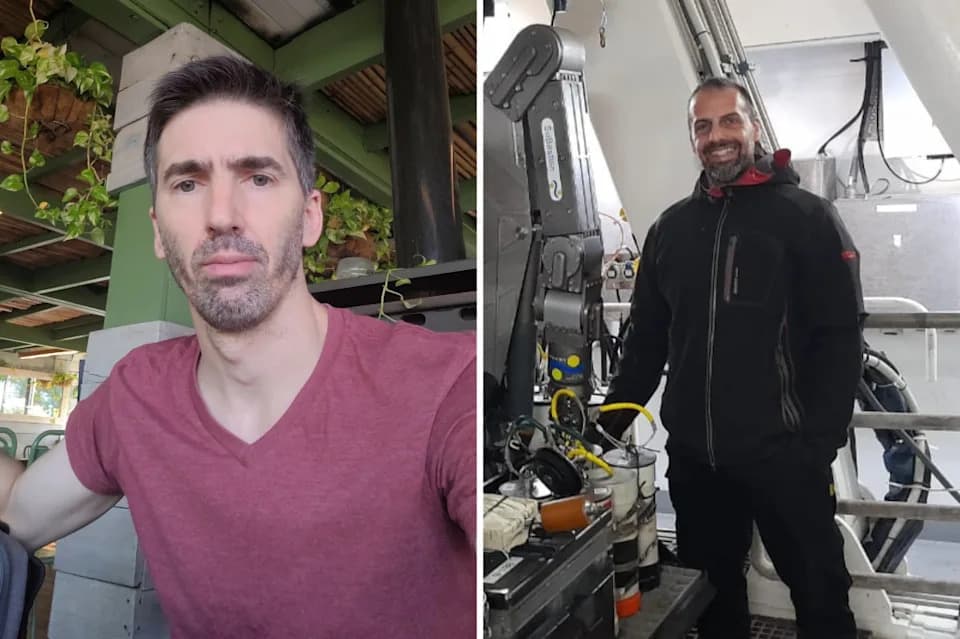
"I would say that it is one of the most vibrant and lush environments in the deep sea that I've ever seen," said deep‑sea biologist Santiago Herrera of Lehigh University, as reported by ScienceAlert.
"So it's a big surprise when you suddenly find large amounts of animals all together, clearly interacting in a very vibrant and dynamic ecosystem," Herrera added.
Marine scientist María Emilia Bravo said, "We were not expecting to see this level of biodiversity in the Argentine deep sea, and are so excited to see it teeming with life. We opened a window into our country's biodiversity only to find there are so many more windows left to be opened."
Scientists hope the new data and footage will guide future research and conservation planning in the region. Continued exploration and protection of deep‑sea biodiversity hotspots are increasingly urgent as ocean warming and industrial activity expand into deeper waters.
Help us improve.