Researchers aboard the RV Investigator recorded 1,059 species on remote Indian Ocean seamounts, including 149 species new to science, by sampling depths from about 308 to 17,818 feet. The expedition — results published in Deep-Sea Research Part II — also mapped new seafloor features (including a caldera nicknamed the "Eye of Sauron"), recovered ~1,000 shark teeth including Megalodon fossils, and found polymetallic nodules. These data establish a baseline to guide conservation as the area faces threats from climate change, fishing and potential deep-sea mining.
Scientists Identify 149 New Species on Ancient Indian Ocean Seamounts Near Australia
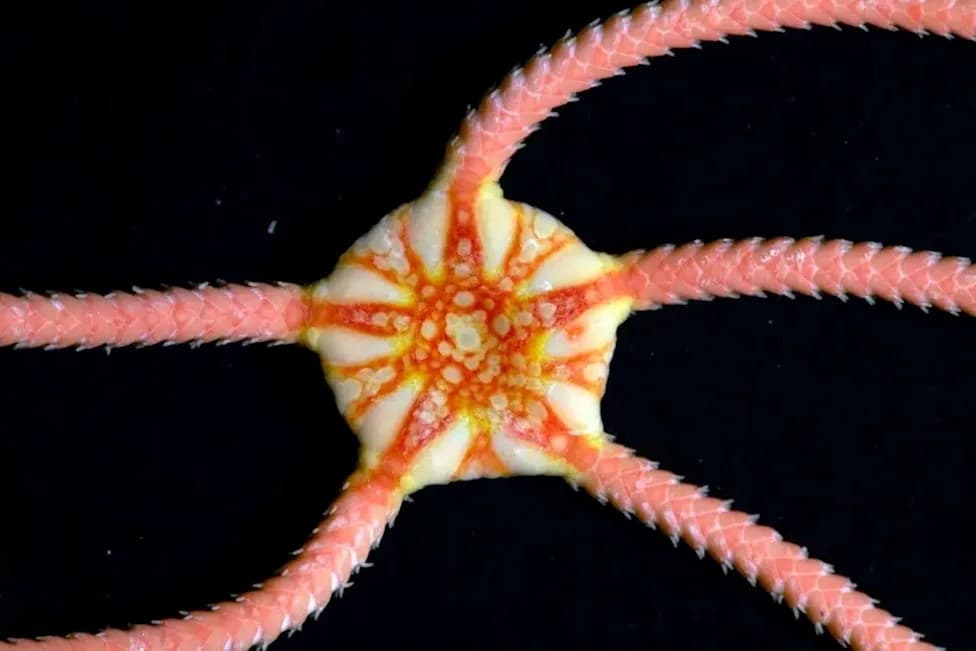
Photo Credit: Commonwealth Scientific and Industrial Research Organisation
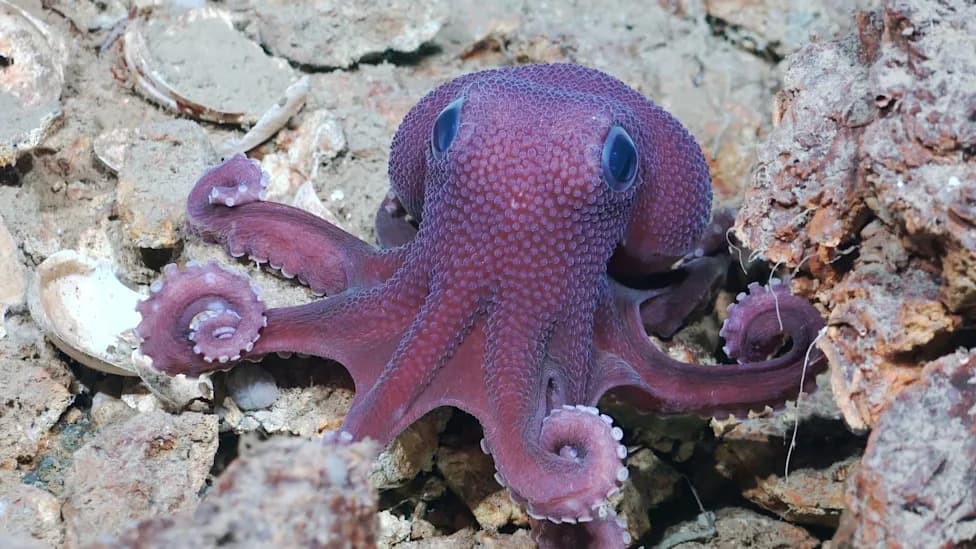
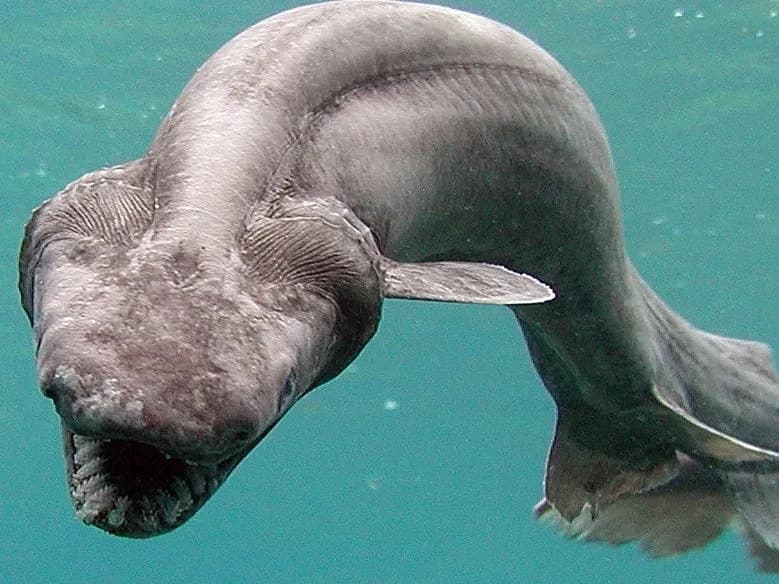
Researchers surveying little-studied seamounts in the Indian Ocean have documented 1,059 species, including 149 species previously unknown to science. The discoveries come from deep sampling around undersea volcanoes near Christmas Island and the Cocos (Keeling) Islands and help close a major gap in knowledge about the Indian Ocean seafloor.
Expedition & Methods
The international team sampled marine life at depths from 308 feet (≈94 m) to 17,818 feet (≈5,432 m) using trawls and other deep-sea gear during an Australian-approved research voyage conducted from the custom-built research vessel RV Investigator. The results were published in June in Deep-Sea Research Part II: Topical Studies in Oceanography, with Tim O'Hara of Museums Victoria listed as the lead author.
Notable Finds
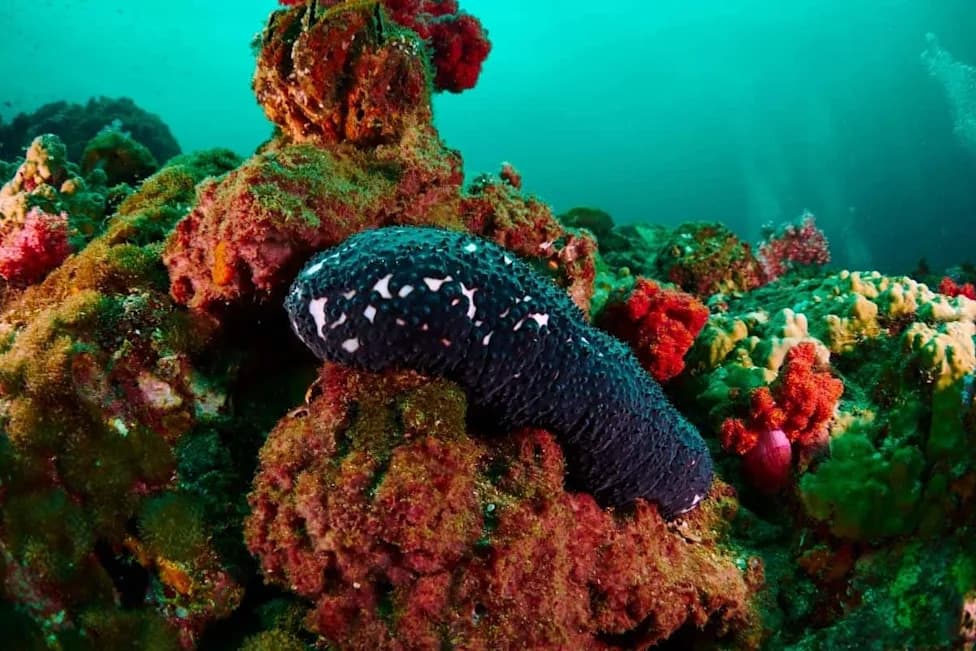
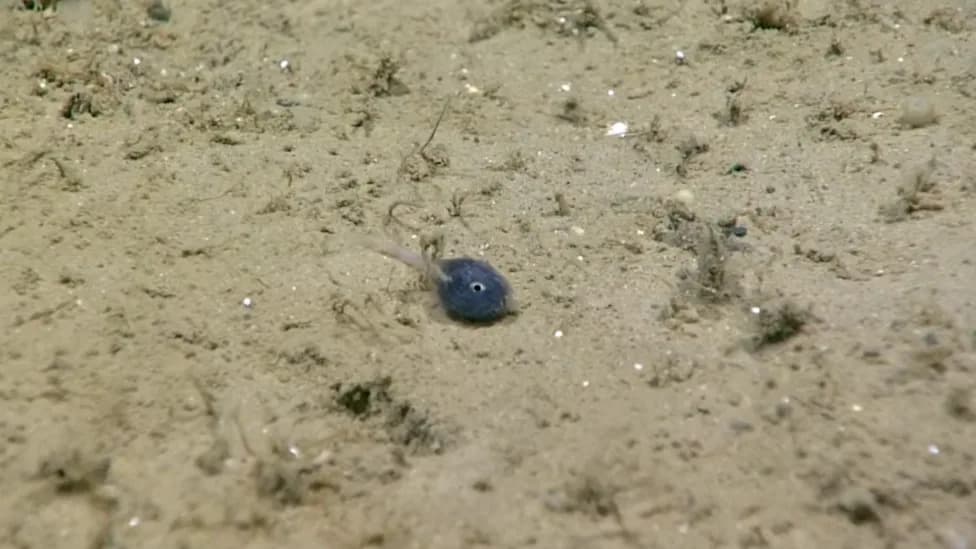
Among the new discoveries were animals such as a sea cucumber in the genus Oneirophanta, a greeneye fish from the family Chlorophthalmus, and a parasitic barnacle in the genus Rhizolepas. One trawl recovered about 1,000 shark teeth, including fossils attributed to the extinct Megalodon, spanning more than 22 million years of evolutionary history. The team also found polymetallic nodules — mineral-rich rocks that are of interest for batteries and renewable-energy technologies.
Seafloor Mapping & Features
In addition to biological sampling, researchers mapped previously unknown seafloor features, including a striking caldera the team nicknamed the "Eye of Sauron" because of its eye-like appearance. The mapping helps create the first detailed baseline of this remote region's geology and ecosystems.
Why It Matters
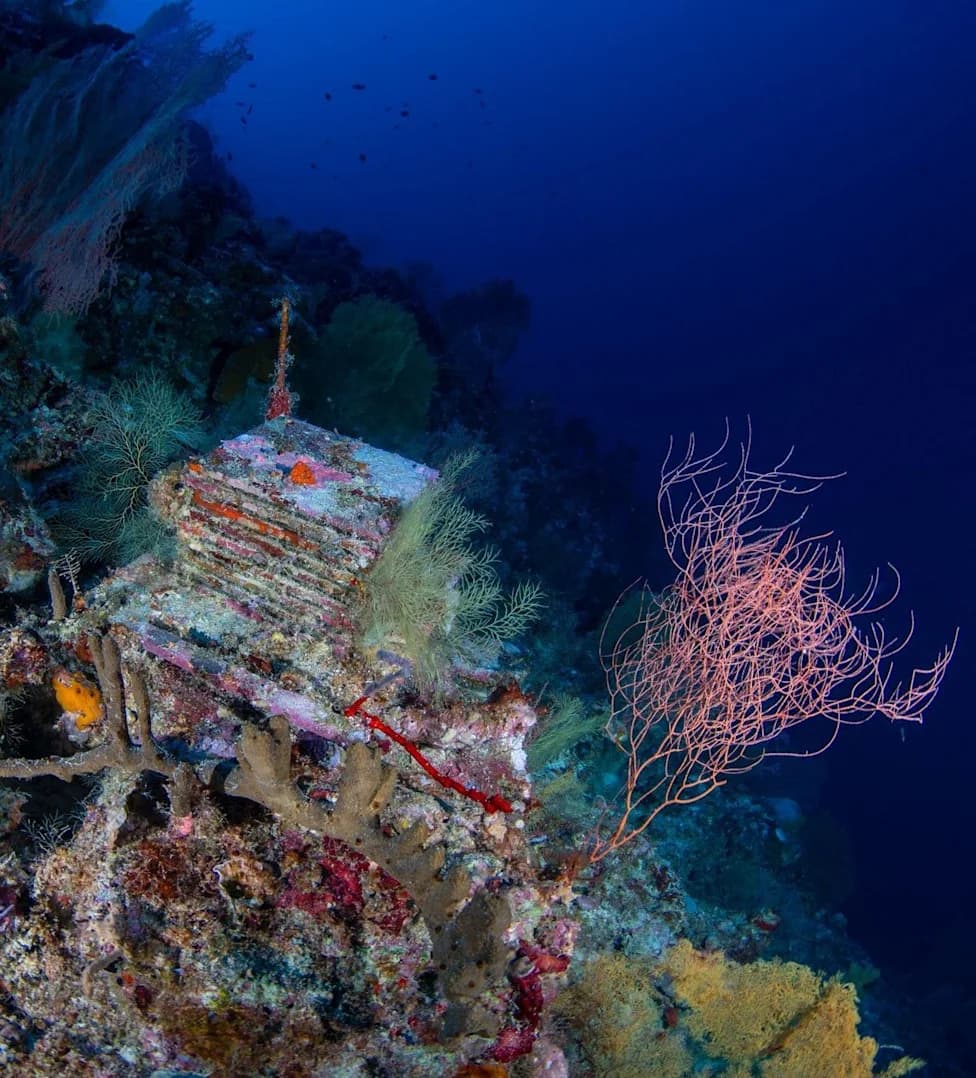
Seamounts act as underwater oases: by rising thousands of feet from the abyssal plain they alter currents and concentrate nutrients, creating favorable conditions for filter feeders and other marine life. As lead author Tim O'Hara noted, this region had been a "massive hole in the data" because previous work focused on shallower waters around the islands rather than the deep seafloor.
"People had been around the islands in shallow water before, but no one had looked at life in the deep. It was a massive hole in the data," — Tim O'Hara, Museums Victoria.
Independent expert Jim Barry of the Monterey Bay Aquarium Research Institute, who was not part of the study, emphasized how seamount currents can boost feeding opportunities for suspension feeders by accelerating flow across the summit and concentrating food.
Conservation and Policy Context
Australia approved the expedition in 2020 to inform biodiversity knowledge ahead of designating the region as the Indian Ocean Territories Marine Parks. The survey provides a critical ecological baseline as these deep ecosystems face mounting pressures from climate change, marine heatwaves, overfishing and potential deep-sea mining.
Researchers plan continued investigations of seamounts in nearby protected areas and surrounding regions, while other international teams explore adjacent parts of the Indian Ocean and Southern Ocean. The new findings reinforce a recurring pattern in deep-ocean exploration: remote seamounts and polar regions often harbor abundant undescribed life when examined closely.
Help us improve.