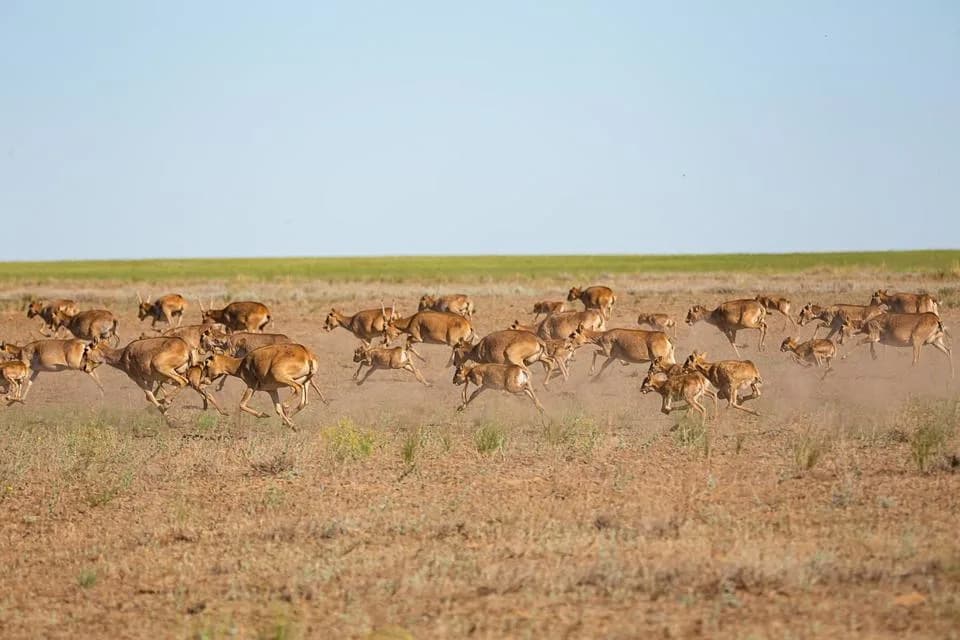
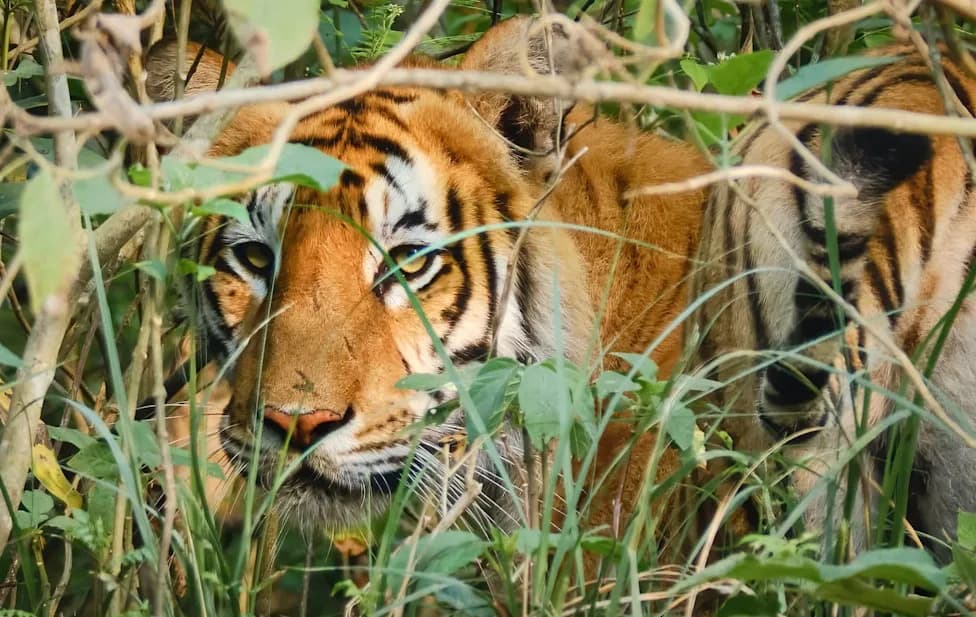
The Imam Turki bin Abdullah Royal Reserve in northeastern Saudi Arabia recorded more than 40 wild Arabian sand gazelle births in the first quarter of 2026, the Saudi Press Agency reported. The wild births indicate early recovery after years of hunting, habitat loss and land degradation. Officials say the reproductive success suggests that anti-poaching efforts and habitat management are beginning to produce measurable results, though recovery remains at an early stage.
More Than 40 Wild Sand Gazelles Born in Saudi Reserve, Offering Early Signs of Recovery
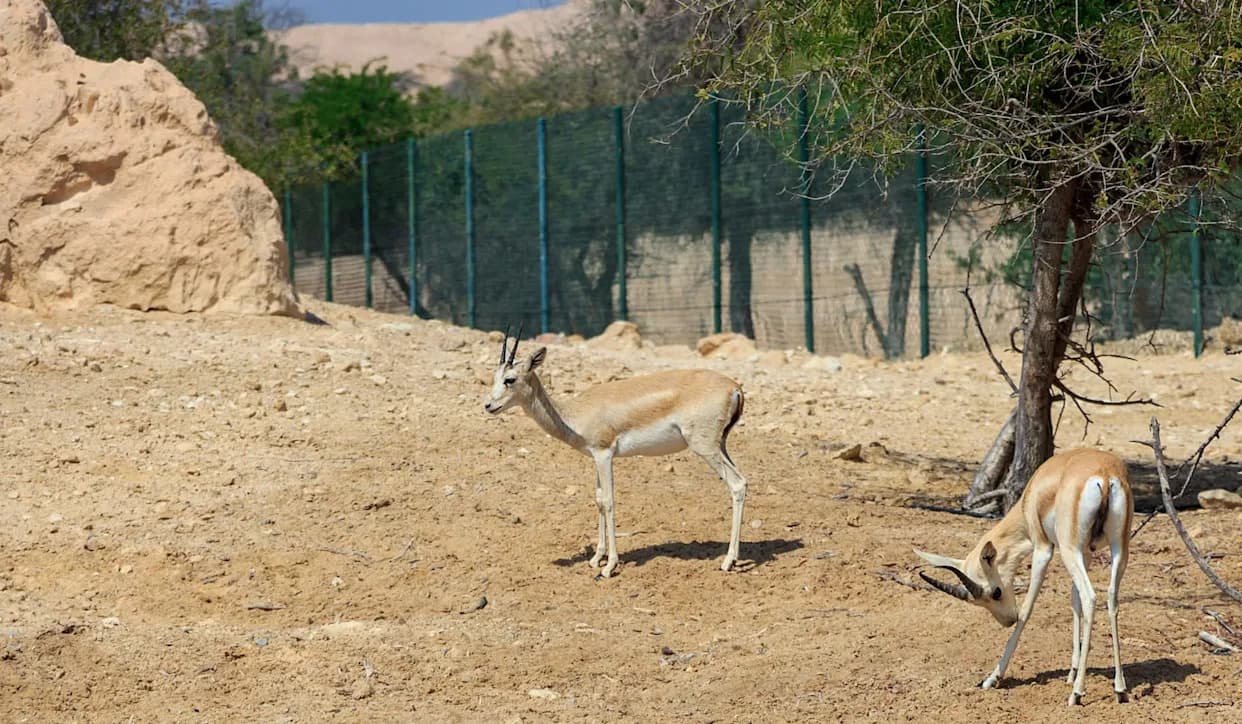
Photo Credit: iStock
Conservationists in northeastern Saudi Arabia recorded more than 40 Arabian sand gazelle births in the wild during the first quarter of 2026, an encouraging early sign that the species may be beginning to recover in its natural habitat.
The births were reported by the Saudi Press Agency from the Imam Turki bin Abdullah Royal Reserve, where officials and rangers have stepped up protection and habitat-management efforts in recent years.
Progress In The Wild
Wild sand gazelles have faced decades of intense pressure from hunting — including vehicle-assisted poaching and modern firearms — as well as widespread habitat loss and land degradation. Those combined threats pushed populations to dangerously low levels across parts of the Arabian Peninsula.
"Over the past decades, sand gazelle numbers declined significantly due to multiple human and environmental pressures, especially intensive hunting using vehicles and modern firearms, as well as habitat loss and degradation," an official told Arab News.
"It also signals a shift from simply preventing further decline to building stable wild populations capable of sustaining themselves long term," the official added.
Breeding success in the wild is a key indicator of recovery because it shows animals are surviving and reproducing without constant human intervention. The recent births suggest that anti-poaching measures, stronger enforcement and improved habitat management at the reserve are creating safer conditions for the gazelles.
Healthy, reproducing populations help restore biodiversity, stabilize food webs and preserve landscapes that support local communities. While these results are early and localized, they demonstrate that sustained conservation investment and effective stewardship can produce measurable gains.
Outlook: The sand gazelle’s return is in its early stages, and ongoing monitoring and protection will be needed to build a self-sustaining population. Still, the record of more than 40 wild births in a single quarter is a concrete reason for cautious optimism.
Help us improve.