China’s “Great Solar Wall” runs roughly 250 miles across the Kubuqi Desert and includes a Guinness‑recognised galloping horse formed by 196,320 panels covering 1,398,421 m². The horse array produces about 500 MWh per day (≈0.18 TWh/year). The full corridor aims for 100 GW by 2030 and had about 5.4 GW installed by 2024, while the Three Gorges Kubuqi complex plans for 16 GW total (8 GW solar, 4 GW wind, 4 GW coal). Elevated panels are enabling visible greening beneath arrays, though impacts on local rainfall remain unproven.
China’s 250‑Mile “Great Solar Wall”: A Guinness‑Record Horse And A 100 GW Desert Corridor
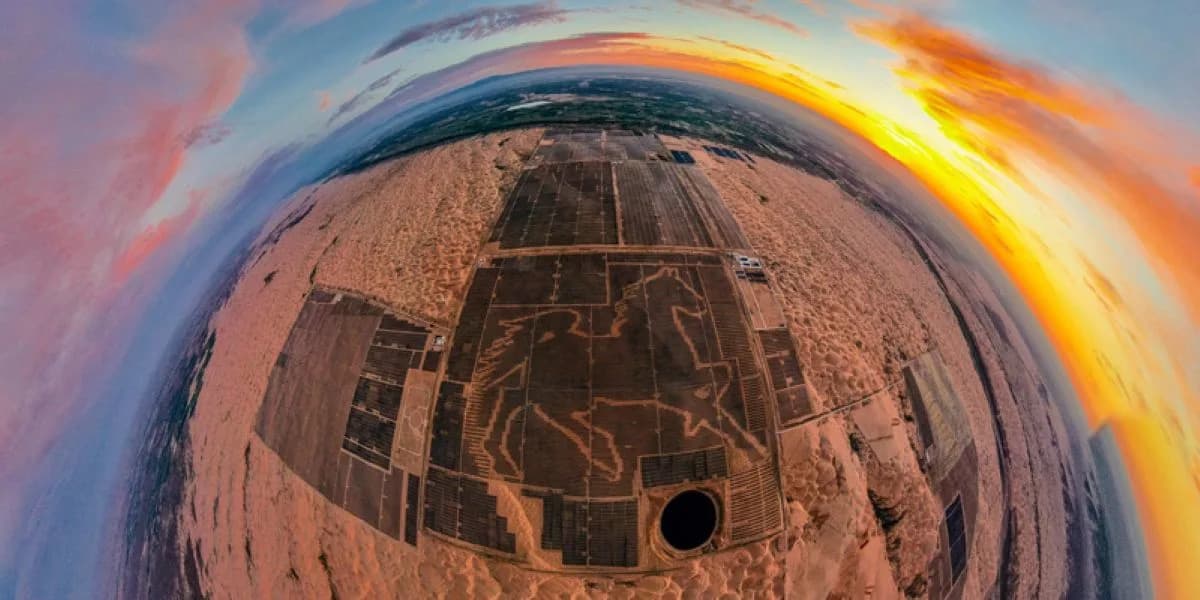
Image: Huawei
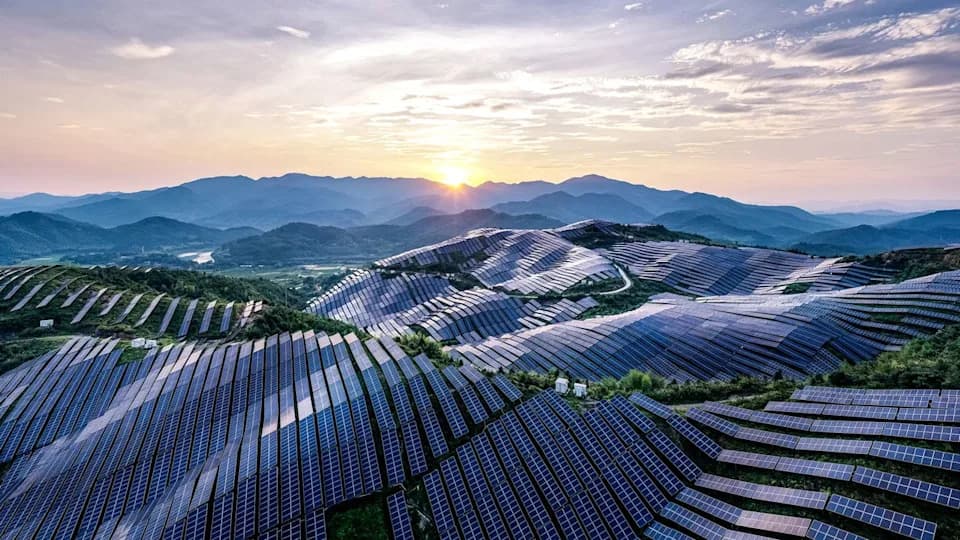
In the Kubuqi Desert of Inner Mongolia, a 1.4‑square‑kilometer arrangement of solar panels forms a galloping horse visible from space — and it’s only a small part of a much larger ambition. The Junma Solar Power Station won a Guinness World Record on July 9, 2019, for the largest solar‑panel image: 196,320 panels covering 1,398,421 square meters, constructed by SPIC Nei Mongol Energy Co., Ltd.
Scale, Output And The Corridor
The horse motif sits inside a vast solar corridor that stretches roughly 250 miles (about 400 km) and in places reaches up to 3 miles (≈5 km) wide. The corridor targets 100 GW of capacity by 2030 and had roughly 5.4 GW installed as of 2024, with the Three Gorges Kubuqi base contributing around 2 GW recently.
The horse‑shaped Junma array has been reported to produce about 500,000 kWh per day (≈500 MWh/day). That daily output corresponds to roughly 180–185 million kWh per year (≈0.18 TWh/yr). Note: some earlier accounts cited much larger annual figures for the site; this version aligns the daily and annual numbers for consistency.
Three Gorges Kubuqi Complex: A Mixed Generation Strategy
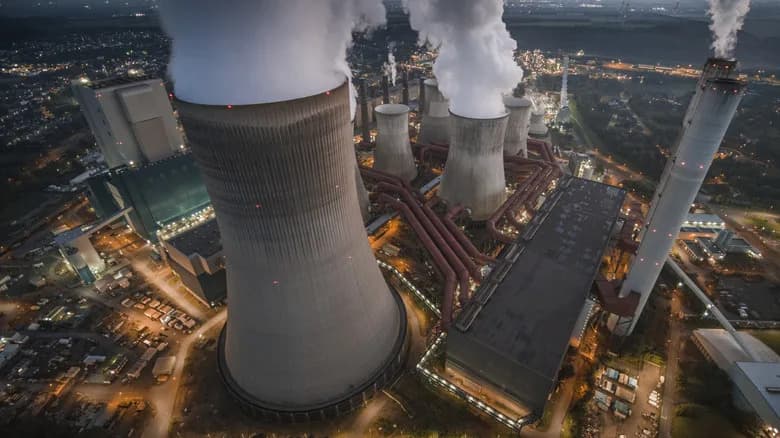
The Three Gorges Kubuqi installation is being planned as a 16 GW multi‑source complex: 8 GW solar, 4 GW wind and 4 GW coal. The coal component is explicitly retained as a grid‑stability backstop to ensure continuous supply when variable renewable output falls, illustrating the practical tradeoffs in integrating very large amounts of intermittent generation into an active grid.
Satellite Evidence And Landscape Effects
NASA Landsat imagery from 2017 through 2024 has documented the corridor’s rapid expansion across the desert floor. NASA’s Earth Observatory highlights how Landsat helps “document the rapid expansion of solar farms” as the Great Solar Wall takes shape.
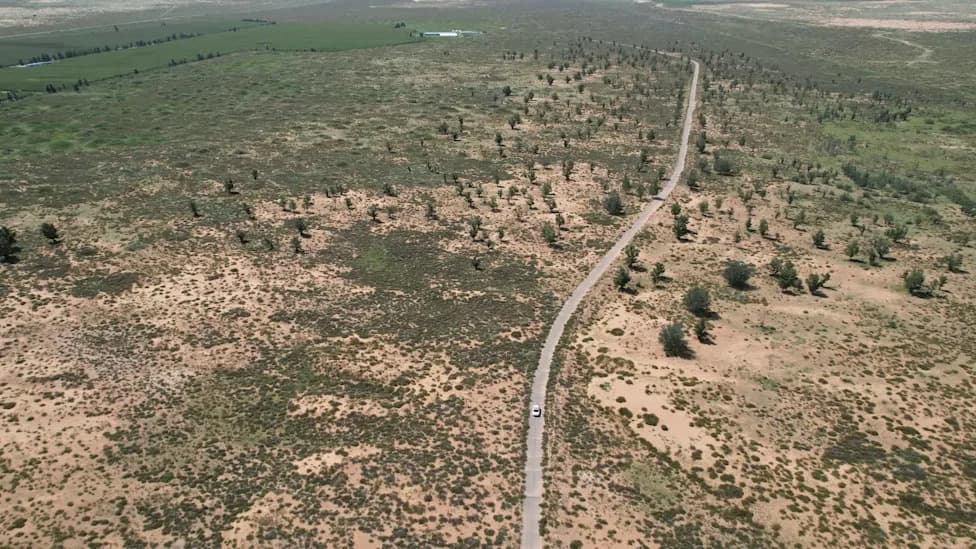
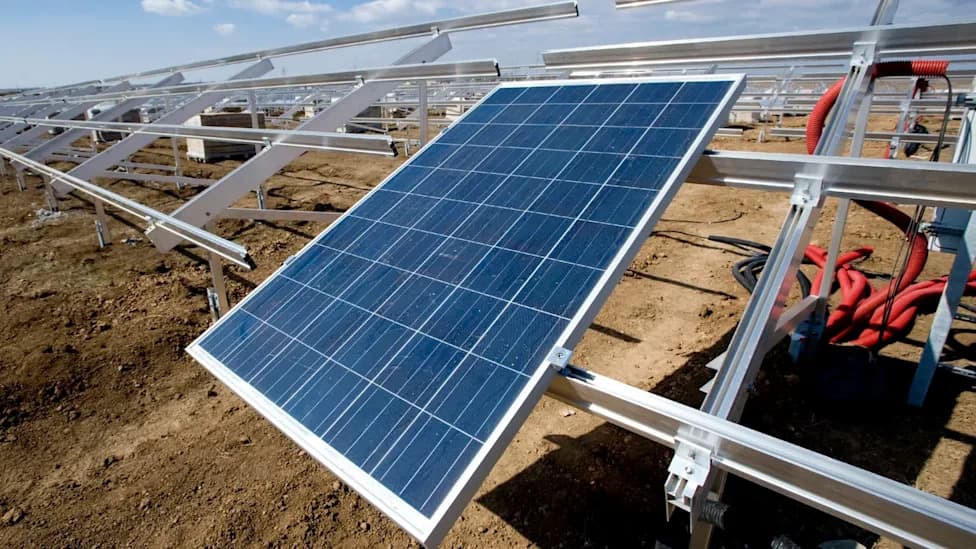
Many arrays in the corridor are mounted higher than conventional low arrays. The raised design lets wind and diffuse light reach the surface beneath the panels, encouraging grasses and some crops to grow in shaded strips. The elevated structures also act as windbreaks, reducing wind erosion and slowing surface evaporation. NASA satellite photos show visible greening where panels have been in place for several years; whether these microclimate shifts influence local rainfall patterns remains an open research question.
Cultural Significance And Rapid Deployment
The horse image is deliberately symbolic: Guinness noted horses’ deep cultural ties to Inner Mongolia’s nomadic heritage, so the installation functions as both power plant and monument. The pace of China’s national buildout is striking — EcoWatch reported that China added 93 GW of solar capacity in May 2025 alone — and at that velocity the corridor’s 100 GW target looks increasingly attainable.
What This Means
Think of the Kubuqi effort as China’s answer to a generating Great Wall: large‑scale infrastructure that reshapes desert landscapes, supports local vegetation under raised arrays, and blends symbolism with energy policy. It also highlights a pragmatic blending of renewables and dispatchable fossil backup to maintain grid stability during rapid decarbonization.
Sources: Guinness World Records (Junma), NASA Earth Observatory (Landsat imagery), reporting on Three Gorges Kubuqi plans, and EcoWatch on national deployment rates.
Help us improve.