The South China Morning Post video highlights China’s Great Green Wall in Inner Mongolia, where planted vegetation is visibly holding the Gobi Desert at bay. The multi-decade afforestation program uses techniques such as "straw checkerboards" to stabilize dunes and jump-start irrigation, and has reportedly slowed desert expansion by nearly 400 miles a year while creating forests across almost 200,000 square miles. Experts and local groups warn that sustaining these gains will require ongoing investment, careful land management and community involvement.
China’s Great Green Wall: How Afforestation Is Holding Back the Gobi
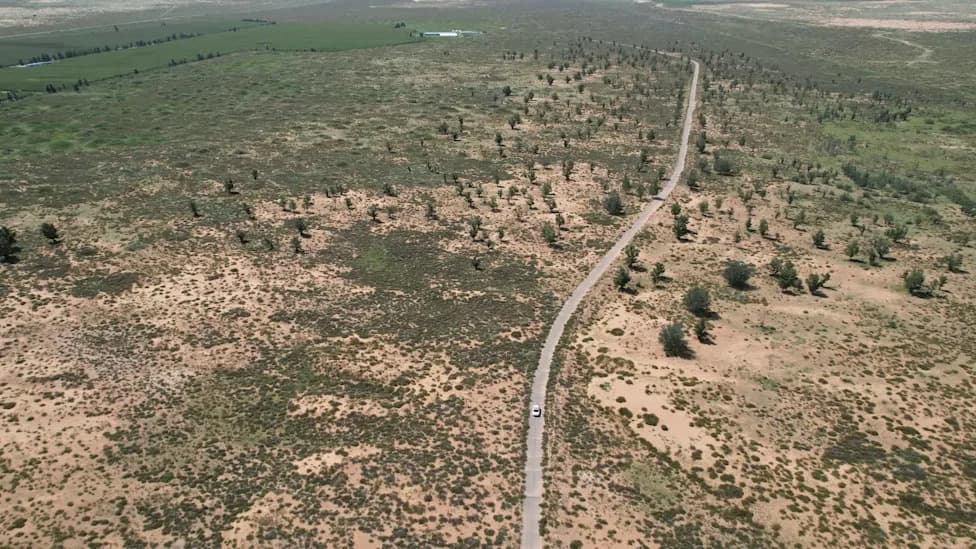
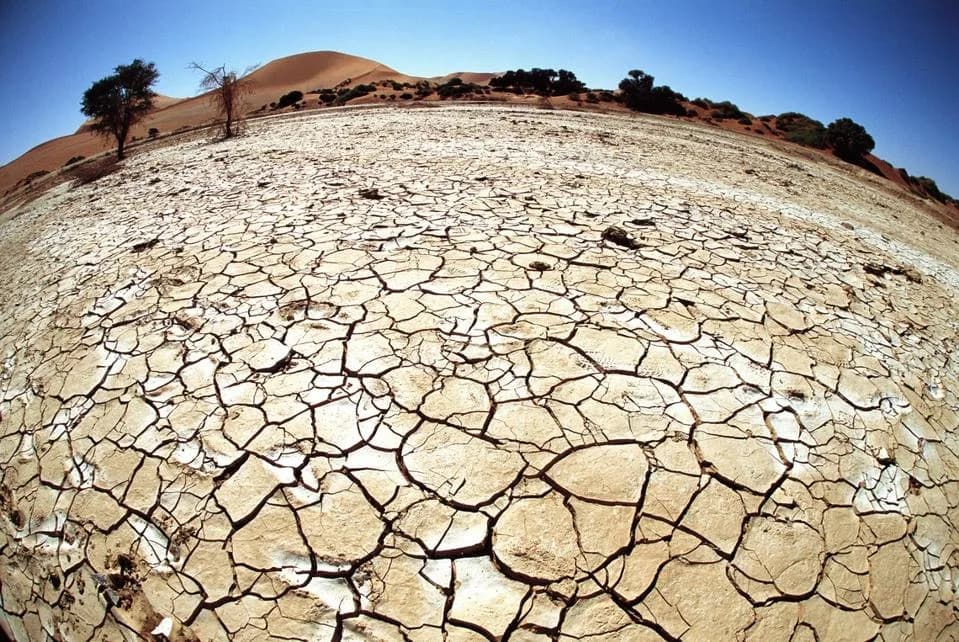
Photo Credit: Getty images
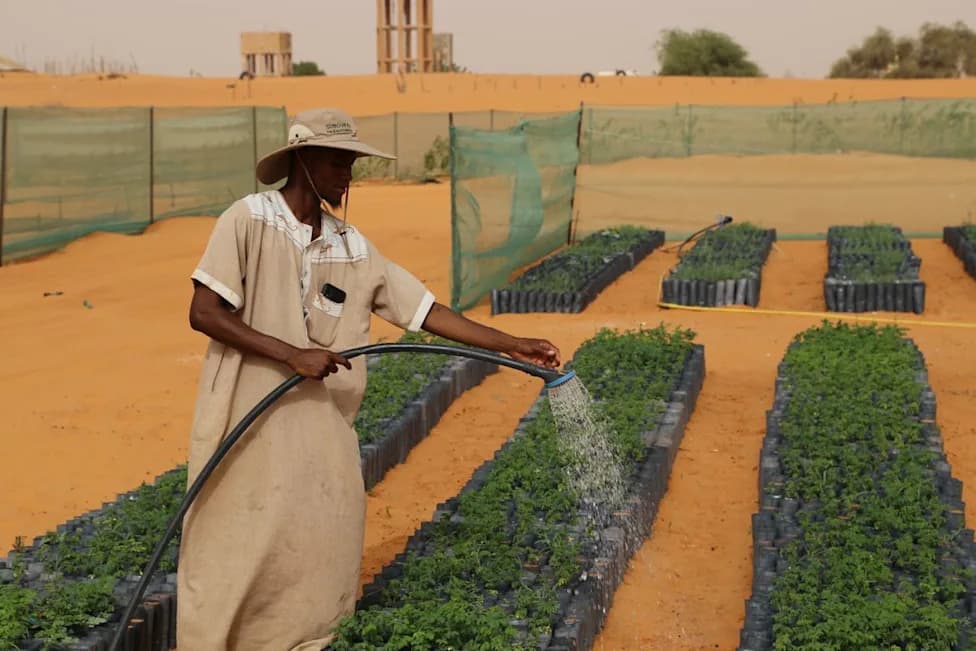
A sweeping South China Morning Post video offers a vivid look at China’s Great Green Wall, a multi-decade restoration effort in Inner Mongolia designed to slow the advance of the Gobi Desert by planting trees and other vegetation.
The clip shows a long band of planted greenery meeting the Gobi’s edge, where strips of vegetation visibly hold sand back from settled and cultivated areas. The caption reads: "China's Great Green Wall stands against the spread of desert sands."
How the Program Works
Officials and restoration teams use several techniques—most notably the "straw checkerboards" method—to stabilize dunes, reduce wind erosion and jump-start local irrigation. These protective belts are intended to anchor soil, limit sand movement, and create buffers between dunes and human settlements.
"The goal is to prevent the spread of desertification from affecting the country's interior," said Zhao Zhong, founder of Green Camel Bell. "So far the most visible part of this effort is large-scale afforestation."
Scale, Benefits and Local Response
SCMP reported that the initiative has slowed desert expansion by nearly 400 miles a year since 2000 and helped create forests covering almost 200,000 square miles. When restoration succeeds at scale, planted belts can protect homes, roads, farms and local economies from mounting land loss, improve local air quality and strengthen community resilience.
Local residents featured in the video praised the visible return of greenery, and community groups are teaching new farmers and herders practices to prevent future desertification.
Long-Term Challenges
Experts stress that success depends on sustained investment, careful land management and long-term maintenance. As Zhu Jiaojun of the Chinese Academy of Sciences warned: "Given such high levels of investment and such massive input, once it stops, can what we achieved be sustained?"
China is pursuing several related large-scale measures to combat desertification, including a decades-long shelterbelt around the Taklimakan Desert, projects converting barren land into wetlands, and use of biocrusts to shield vulnerable sections along the Great Wall from further erosion.
While the Great Green Wall shows striking progress in many places, conservationists and planners emphasize that continued funding, locally appropriate techniques, and careful monitoring will be essential to secure long-term gains.
Help us improve.