A McGill-led study finds that microbes in and beneath nonproducing oil and gas wells may be emitting methane at roughly 1,000 times earlier estimates. Researchers sampled 401 wells across Canada — mostly in Western Canada — and detected microbial methane at 23% of sites, with traces at another 50%. While most leaks remain thermogenic, the results suggest shallower, microbe-rich formations contribute more to emissions than previously believed, highlighting the value of targeted plugging of major emitters.
Study: Microbes in Abandoned Oil Wells May Be Emitting Methane at ~1,000× Higher Rates
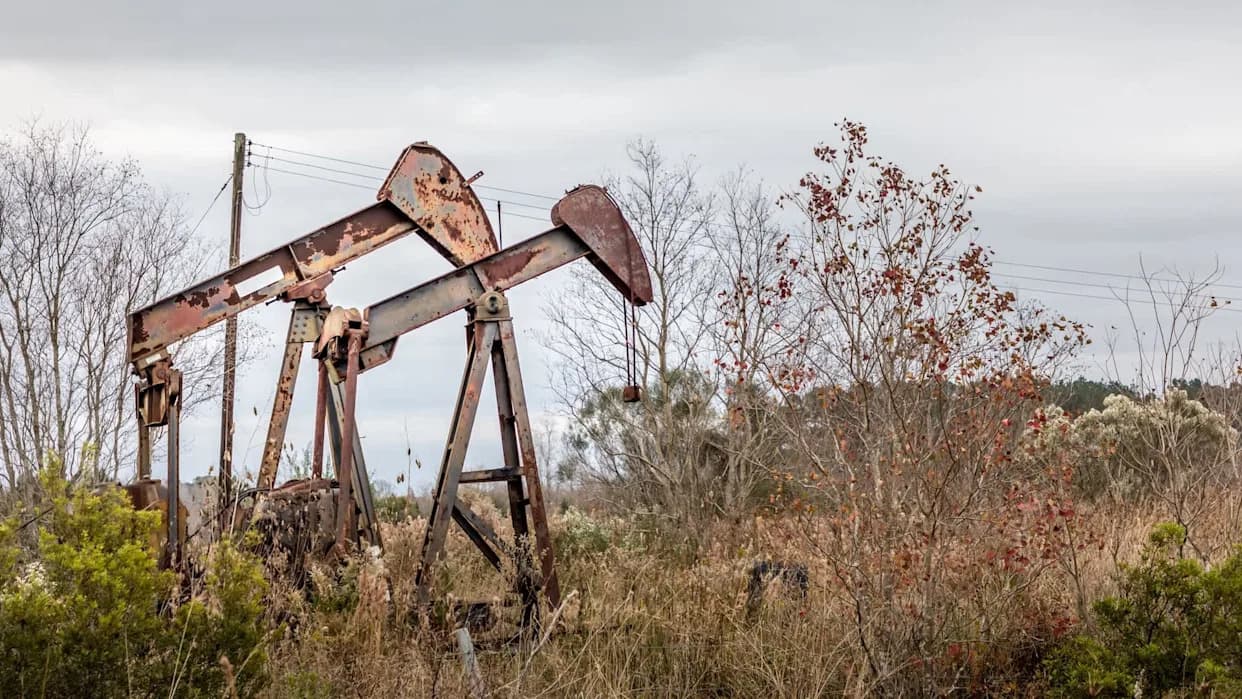
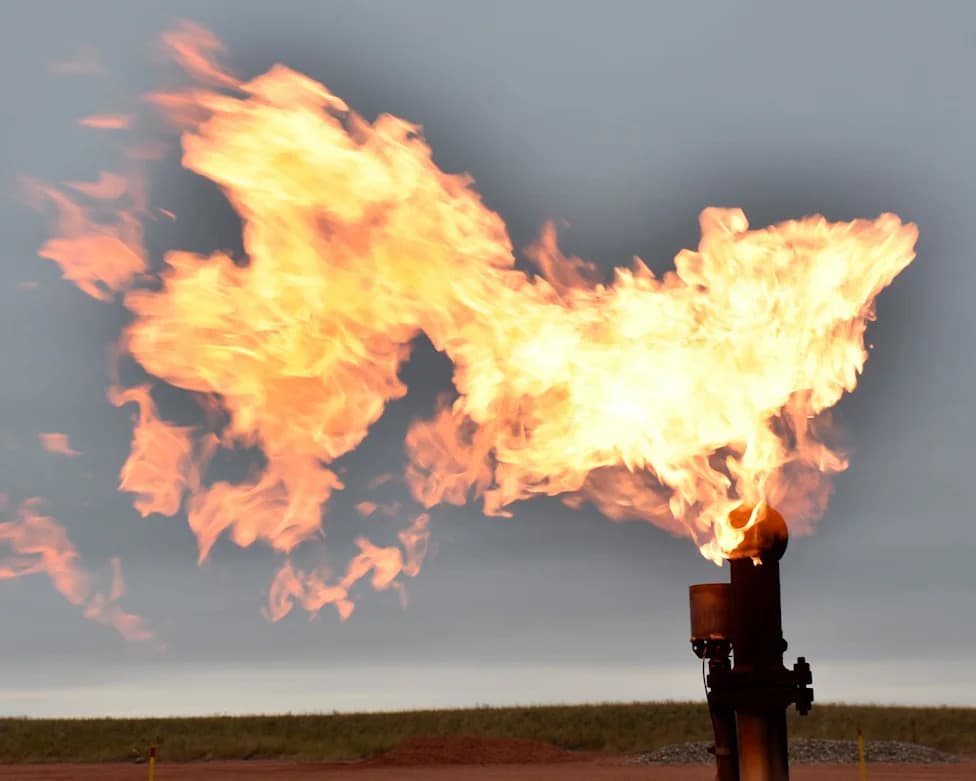
Photo Credit: iStock
A new McGill University-led study raises fresh concerns about the climate and safety risks posed by nonproducing oil and gas wells. The researchers report that methane emissions can continue for years from wells that no longer produce, and a significant portion of that gas may originate from subsurface microbes rather than from leftover fossil reservoirs.
The team sampled 401 nonproducing wells across Canada — with most work concentrated in Western Canada, where more than 90% of the country’s idle wells are located. They directly detected microbially produced methane at 23% of sampled sites, and found trace evidence at another 50% of locations.
Microbial Methane Could Be Substantially Underestimated
Based on their observations, the researchers estimate that microbial methane leaking from nonproducing wells could be escaping at roughly 1,000 times the rate suggested by earlier assessments. While most leaks still appear to originate from deeper, thermogenic sources, emissions from shallower, microbe-rich formations may contribute far more to the problem than previously recognized.
“This study implies that nonproducing oil and gas wells could continue to emit microbial methane long after the targeted formation has been fully depleted,” said Mary Kang, a co-author of the study.
For this research, “nonproducing wells” includes inactive wells, wells that never produced, and wells that have stopped producing. Across Canada, nearly 500,000 wells fall into this broad category, although the study emphasizes that not all of them leak methane.
The authors also point to prior work from the same team showing that a small fraction of polluting wells are responsible for the bulk of emissions: 12% of polluting wells produced about 98% of pollution in their earlier analysis. That concentration suggests targeted remediation of the largest emitters could be an efficient mitigation strategy.
Methane is a potent short-term climate forcer, trapping substantially more heat than carbon dioxide over years to decades. Even relatively small, persistent leaks can therefore have outsized effects on near-term warming.
“The exact source of this methane is often unclear because the subsurface is a complex system with multiple gas-bearing formations,” Kang added. Co-author Gianni Micucci said the next steps include determining how microbial methane migrates underground and whether old wellbores provide a direct pathway to the atmosphere.
The study underscores that legacy fossil-fuel infrastructure can continue to pose environmental and community risks long after production stops. Properly locating, monitoring, and plugging leaking wells could yield meaningful climate and public-safety benefits, the researchers argue.
Help us improve.