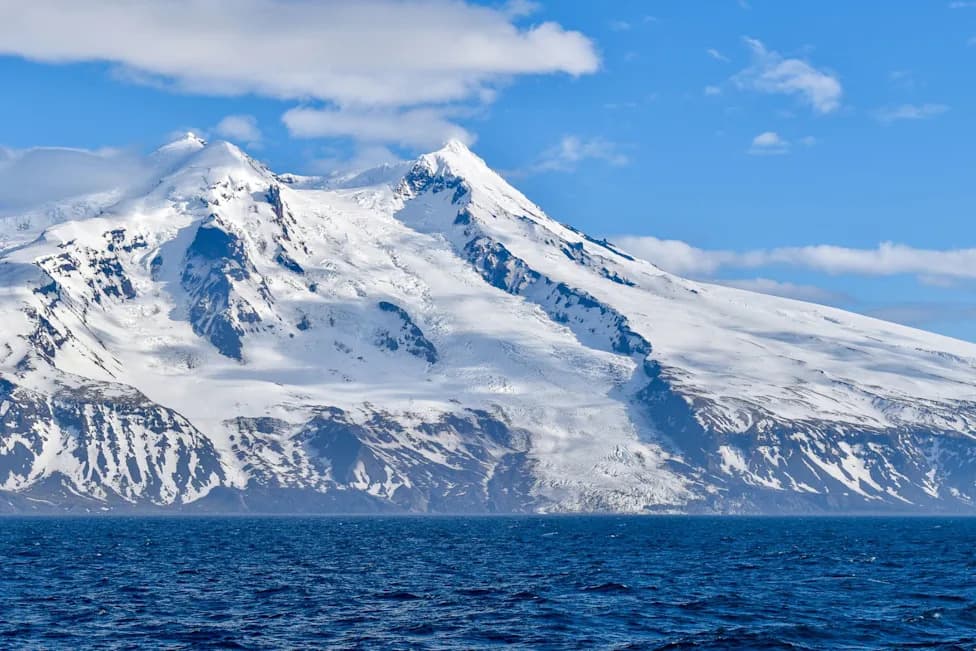
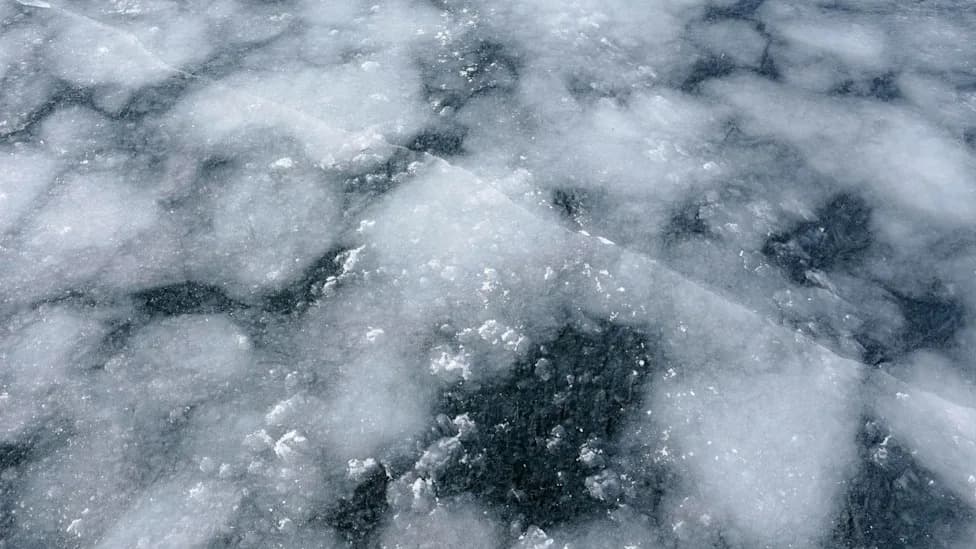
Researchers sampled 19 glacier-fed rivers across Svalbard and found methane in every one of 148 water samples, with some concentrations up to 425 times higher than atmospheric equilibrium. The team links most emissions to ancient, organic-rich shale in the bedrock that is flushed by meltwater reaching thawed glacier beds. They estimate land-terminating glaciers in Svalbard may transport about 201–406 U.S. tons (182–368 tonnes) of methane per year, signaling a potential feedback that could amplify Arctic warming.
Svalbard Glaciers Are Releasing Ancient Methane — A Hidden Arctic Feedback Loop
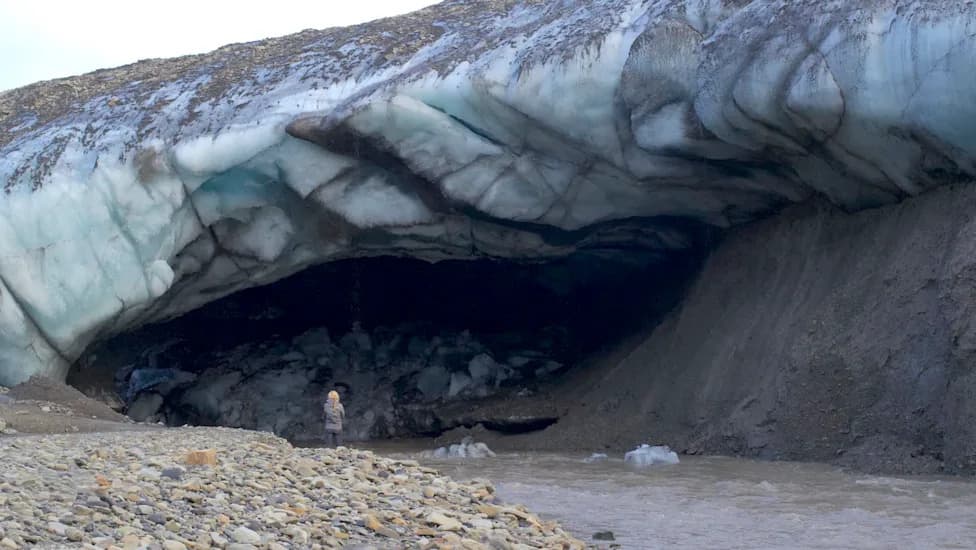
Photo Credit: Leonard Magerl
Glaciers are often thought of as frozen vaults that preserve the past beneath thick ice. In Norway's Svalbard archipelago, however, shrinking glaciers are opening channels that allow ancient methane trapped in bedrock to escape into rivers and potentially the atmosphere.
What the Study Found
A study published in Nature Communications and led by the iC3 Polar Research Hub sampled 19 glacier-fed rivers across Svalbard and collected 148 water samples. Methane was detected in every river tested, with some samples showing concentrations up to 425 times higher than could be explained by simple equilibration with the atmosphere.
How Methane Is Released
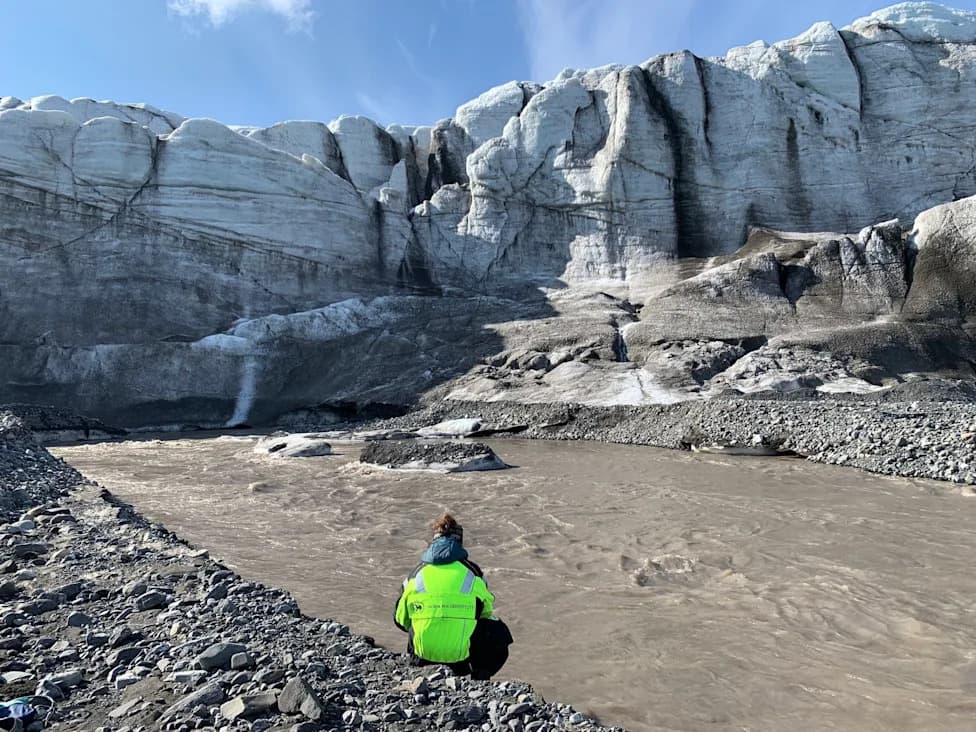
The researchers conclude that most of this methane is not produced by microbes beneath the ice (a known source beneath some Greenland glaciers). Instead, much of the gas appears tied to Svalbard's geology — particularly shale layers rich in ancient organic carbon that can generate methane over geological timescales. Surface meltwater drains through crevasses and holes to the glacier bed, where it interacts with thawed, shale-bearing bedrock and flushes methane into meltwater streams.
"These glaciers are mostly melting on their surfaces," lead author Gabrielle Kleber said. "But this meltwater finds its way to the bottom of the glaciers through crevasses and holes. Where the underlying rocks contain ancient gas, the water can flush methane out into rivers."
Key Controls: Geology And Bed Conditions
The highest methane concentrations were found where shale-rich bedrock coincided with thawed, wet and dynamically active glacier beds. Glaciers frozen solid to their beds were far less effective at transporting methane. Co-author Leonard Magerl summarized: "The temperature at the base of glaciers is an important piece of the puzzle. We found the biggest methane releases where the right rocks and the right glacier conditions came together."
Methods And Estimated Flux
To characterize ice conditions and the extent of thawed beds, the team combined river-chemistry analyses with ground-penetrating radar surveys. Based on their measurements, they estimate that land-terminating glaciers across Svalbard may transport roughly 201–406 U.S. tons (182–368 tonnes) of methane per year via meltwater.
Why This Matters
The findings point to a potential climate feedback: warming drives glacier melt, and melt can liberate previously trapped greenhouse gases that may further warm the climate. While the estimated flux from Svalbard is modest compared with global methane emissions, the mechanism matters because similar geology and melt dynamics exist elsewhere in polar regions.
Broader Arctic Context
Thawing ice across polar regions is already exposing a range of climate hazards: intensifying permafrost carbon runoff (e.g., near Canada's Mackenzie River), resurfacing ancient biological material and pathogens, darkening of Antarctic ice shelves by snow algae, and broad Arctic sea-ice loss that alters weather patterns far beyond the polar circle. The Svalbard study adds methane release from thawed glacier beds to this list of emerging concerns.
Implications
These results can help refine climate models by identifying where geology and glacier change combine to produce methane release. The authors emphasize the importance of mapping what lies beneath the ice as well as tracking how fast glaciers are melting.
"Our results show that future methane release will depend on both geology and glacier change," Kleber said. "That makes it important to know what lies beneath the ice, not only how fast the ice is melting."
Help us improve.