A new long-term study using intensive camera-trap networks has produced the largest photographic record to date of the elusive short-eared dog — an enigmatic canid often nicknamed the "ghost dog" — revealing that the species persists in upland Amazon forest across Bolivia and Peru.
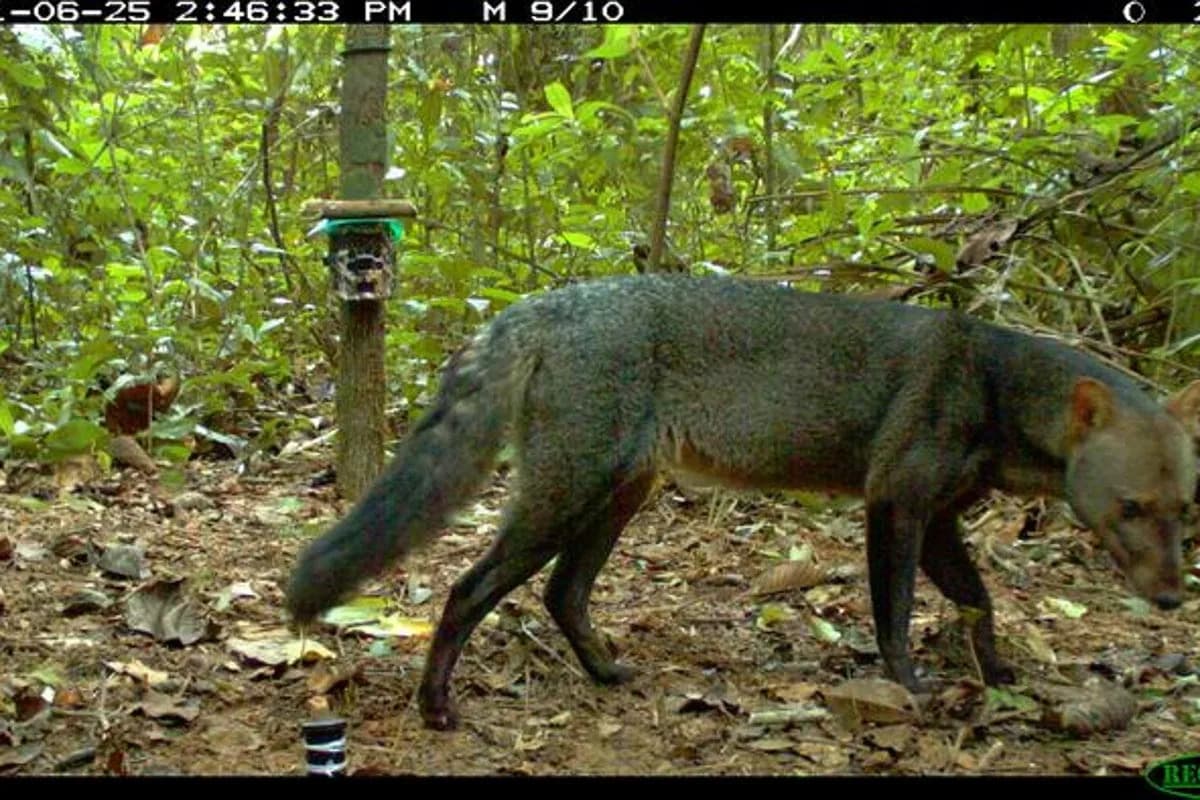
Camera trap captures short-eared dog in Bolivia (G. Ayala & M.E Viscarra)
Study and Photographic Evidence
Researchers compiled 500 records and more than 594 confirmed photographs collected over a 25-year span, and carried out 34 focused camera-trap surveys. Camera traps were concentrated primarily in the Greater Madidi–Tambopata and Llanos de Moxos Biocultural Landscapes to sample different forest types and deepen knowledge of the species' range and behaviour.
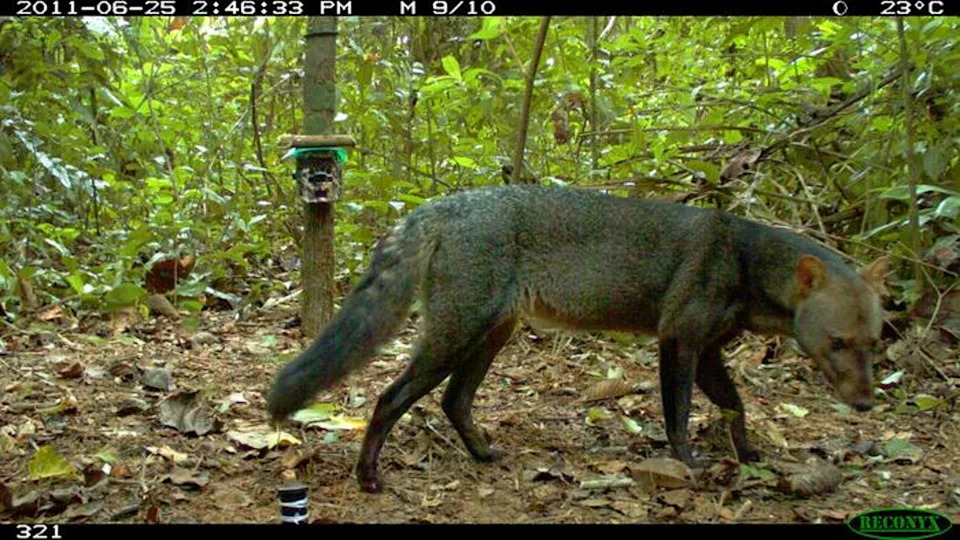
Photo of the short-eared dog caught on a camera trap from Bolivia (G. Ayala & M.E Viscarra.)
What the Photos Show
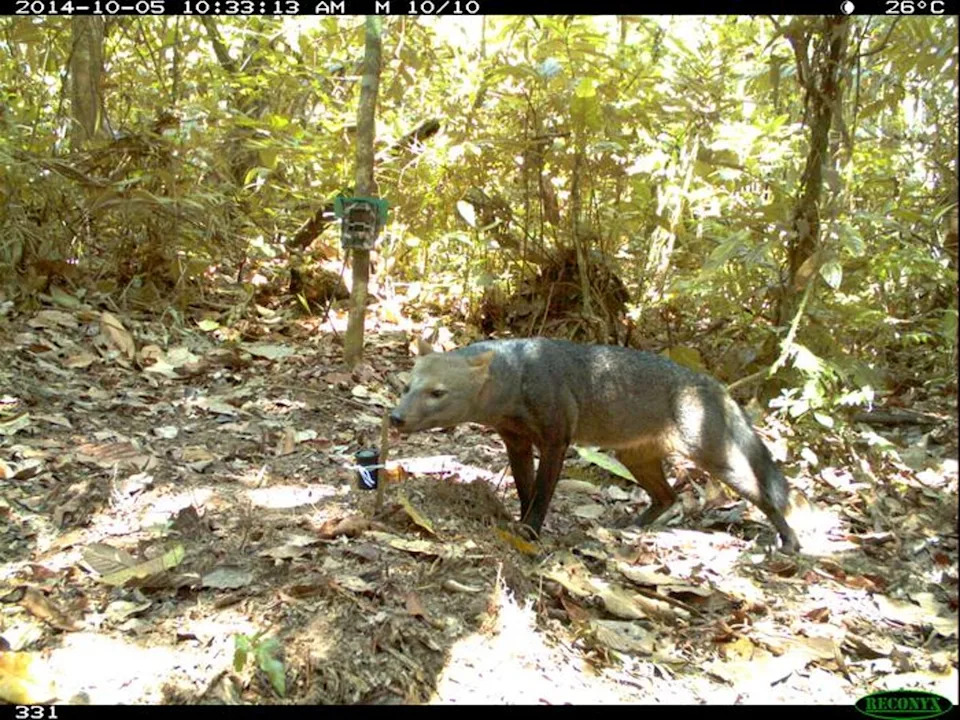
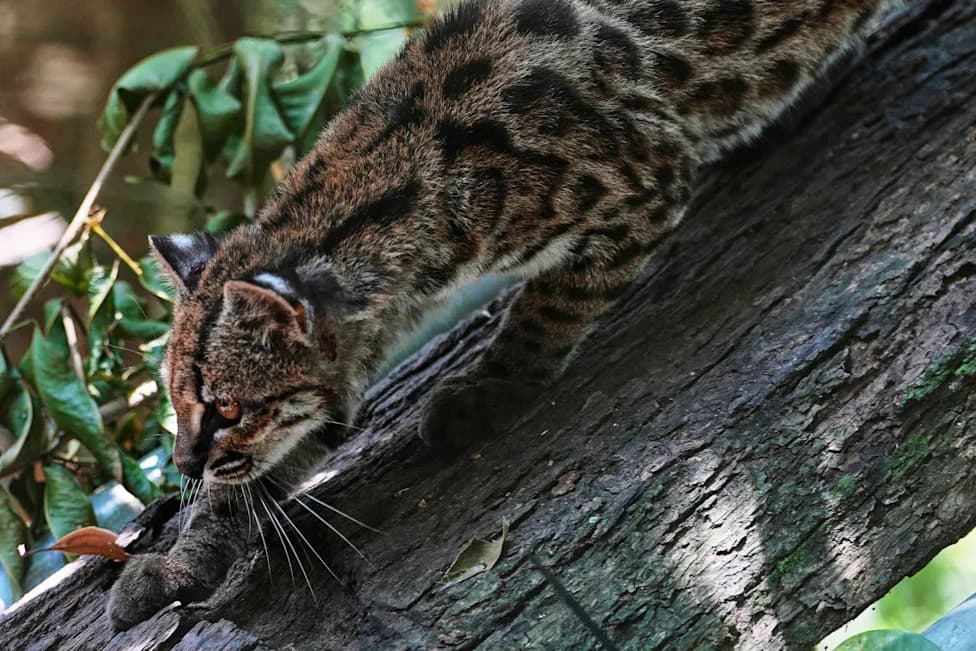
Images consistently show a distinctive animal: a dark, dense coat ranging from blackish grey to reddish-brown; a relatively large head with very small, rounded ears; short legs; a long, bushy tail; and partially webbed paws — a trait not seen in other Amazonian canids.
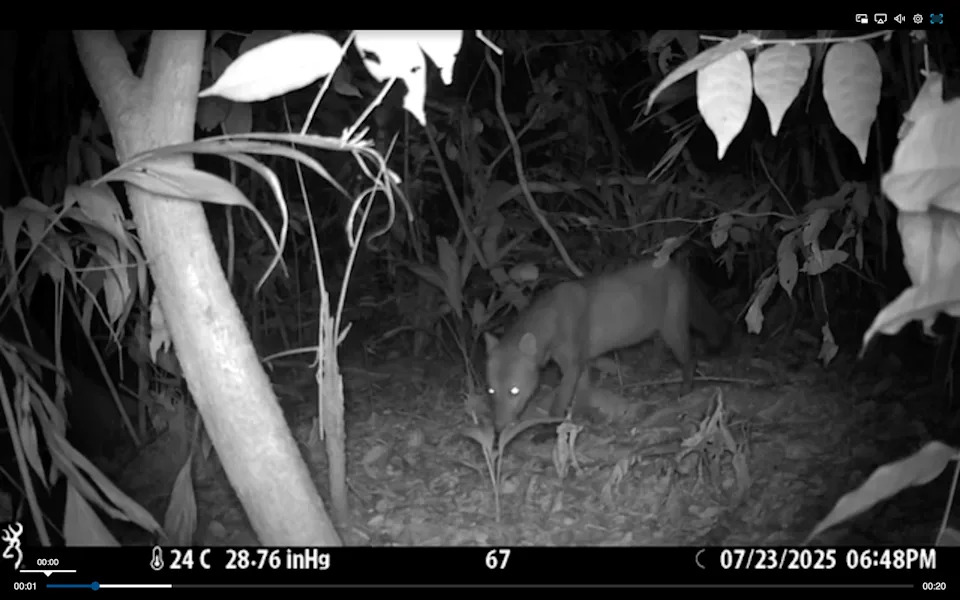
Short-eared dog captured by camera trap (Wallace et al., 2026)
Behaviour, Abundance and Habitat
Camera-trap analyses indicate the short-eared dog is more common than previously thought in suitable upland forest: researchers estimated a density of about 15 individuals per 100 square kilometres in deep-forest habitat. This suggests the species may be more abundant than larger carnivores such as jaguars, though still less numerous than medium-sized predators like ocelots.
Activity patterns from the cameras show predominantly diurnal behaviour, with peak activity between roughly 6am and 12pm. Field data also reveal a clear preference for upland (non-riparian) forest interior, which helps explain why the species has been so rarely observed by humans who often focus surveys along rivers.
“The most surprising aspect of the results was that despite being an almost mythical beast, short-eared dogs are much more abundant than we had imagined,” the authors write in the paper published in Neotropical Biology and Conservation.
Conservation Implications
Because the short-eared dog specialises in canopy-covered upland forest, its long-term survival depends on preserving intact forest interior. The researchers highlight the importance of creating and effectively managing protected areas and supporting sustainable management of Indigenous territories as the most important conservation strategies.
Key facts: 500 compiled records, 34 camera-trap surveys, 594+ photos, estimated density ~15/100 km², diurnal activity peak 6am–12pm, preference for upland forest, unique partially webbed paws.