A pack of three male African wild dogs completed a record 2,485-mile (4,000 km) dispersal across Zambia—the longest known one-way journey by any African land mammal seeking mates. GPS tracking shows they navigated between wildlife strongholds while avoiding major human obstacles, suggesting greater regional connectivity than previously believed. The study, published in Ecology, also documents deaths from illegal snares, underscoring the need for habitat corridors and stronger anti-poaching efforts. Researchers call for landscape-scale planning to protect wide-ranging species.
Record 2,485-Mile Trek: African Wild Dogs Cross Zambia in Search of Mates
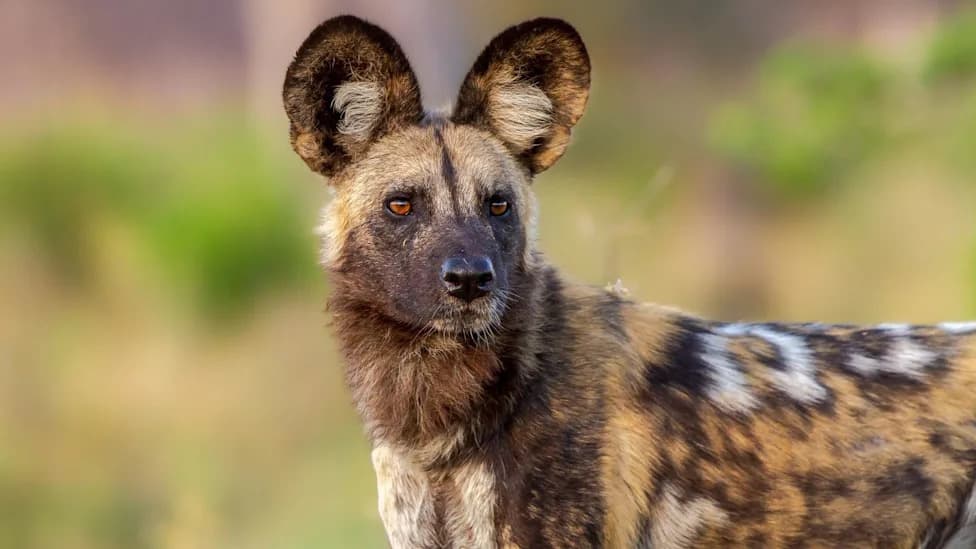
African wild dogs are extraordinary long-distance travellers [Getty Images]
A pack of African wild dogs has completed a record-breaking 2,485-mile (4,000 km) dispersal across Zambia while searching for mates, researchers report. The journey—documented using GPS collars and published in the journal Ecology—is the longest recorded distance for any African land mammal undertaking a one-way search for a mate.
Epic Journey Across a Fragmented Landscape
Three male siblings zigzagged across Zambia over eight months. In straight-line distance they covered roughly 260 miles (about 420 km), but their actual travel route through a mosaic of human-altered habitats totalled roughly 2,485 miles. These long one-way movements, known as dispersals, differ from seasonal migrations because they are undertaken to find mates and new territories rather than to follow food or water.
Connectivity and Conservation Concerns
Perhaps as important as the distance was the path the dogs took: they moved between wildlife strongholds while deliberately skirting major human obstacles, including Zambia’s capital, Lusaka, and heavily developed industrial zones. The route suggests populations of wild dogs across eastern and southern Africa may be more connected than previously thought—except where fencing or severe habitat fragmentation blocks movement.
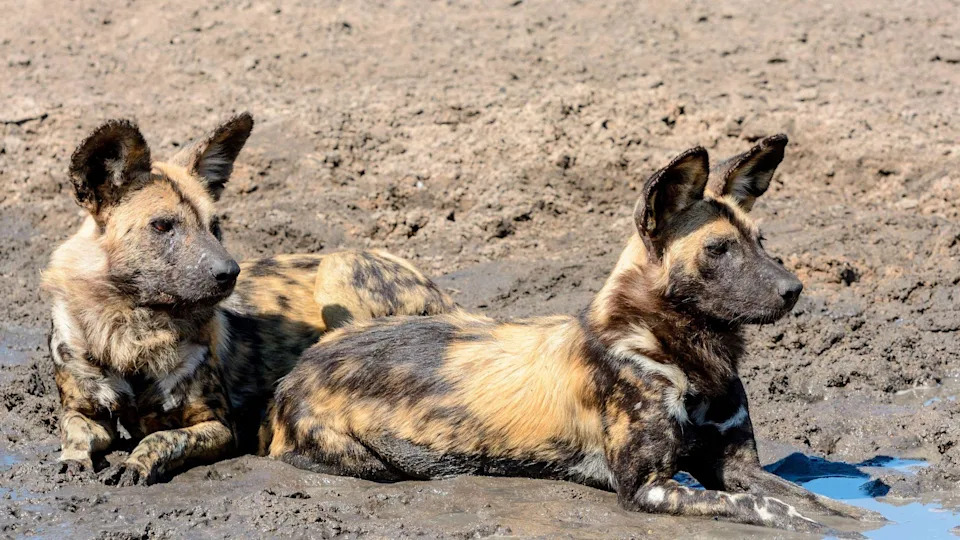
Spreading human communities break up their once-vast roaming grounds [Education Images/Universal Images Group/Getty Images]
“It’s plausible to believe that every major wild dog population in eastern and southern Africa, other than fenced ones, are potentially connected,”
—Professor Scott Creel, Montana State University, lead author
Risks Remain High
The study also highlights severe threats. Other collared wild dogs in the research were killed in illegal snares, and two of three female dispersers being tracked did not survive—one was found trapped in a snare. Researchers observed surviving pack members repeatedly returning to the same locations, a behaviour that often signals the loss of a companion.
With only about 6,000 African wild dogs estimated to remain in the wild, these fatalities are a stark reminder that long-range connectivity alone is not enough: animals must also be protected from poaching and other human harms.
What Scientists Recommend
The authors urge expanding conservation beyond fenced protected areas by creating habitat corridors and strips of natural land that link isolated wildlife areas separated by roads, towns and farms. Bruce Ellender, Kafue Conservation director for The Nature Conservancy and a co-author, said species that range widely—such as wild dogs and elephants—depend on connected landscapes to survive long term.
The study offers cautious optimism about landscape-scale movement but reinforces the urgent need for anti-poaching measures and landscape planning to keep those routes safe.
Help us improve.