The study compares forest conditions across state-protected areas, community-managed forests under formal contracts, and Indigenous territories in Ecuador’s Amazon using satellite indicators of greenness, abrupt disturbance, and drought productivity. Community-protected forests supported by formal mechanisms (including a PES program) performed best on several measures, especially drought resilience. Indigenous territories showed similar outcomes and the largest share of improving greenness, while state-protected areas—particularly in the north—registered the most decline, likely linked to roads, population pressure and oil development.
Study: Community And Indigenous Stewardship Often Outperform State Protection In Ecuador’s Amazon
Photo Credit: iStock
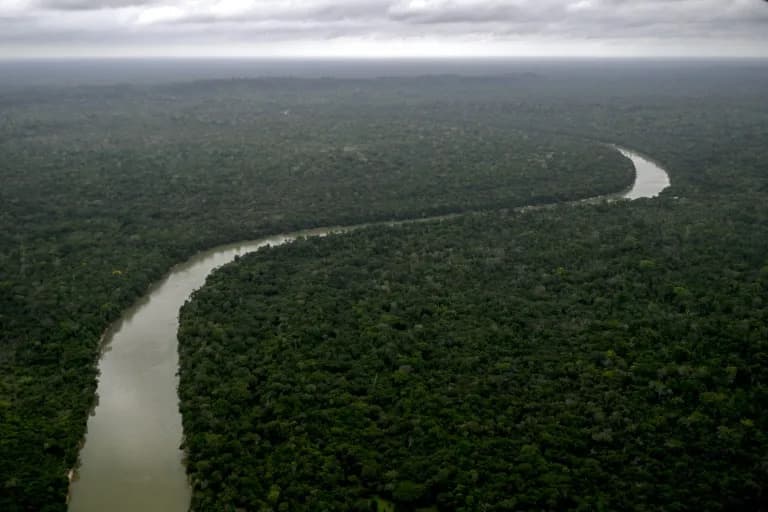
A new satellite-based study of Ecuador’s Amazon challenges the assumption that strict, top-down protection is always the best way to keep forests healthy. Researchers compared forest condition across three governance models: state-protected areas, community-managed forests under formal conservation contracts (including a Payment for Ecosystem Services program), and Indigenous territories without formal conservation agreements.
Methods: The team used satellite observations and three indicators to assess forest condition: long-term trends in vegetation greenness, abrupt spectral changes linked to disturbances such as roads, settlements and agricultural clearings, and forest productivity during the 2015–2016 El Niño drought.
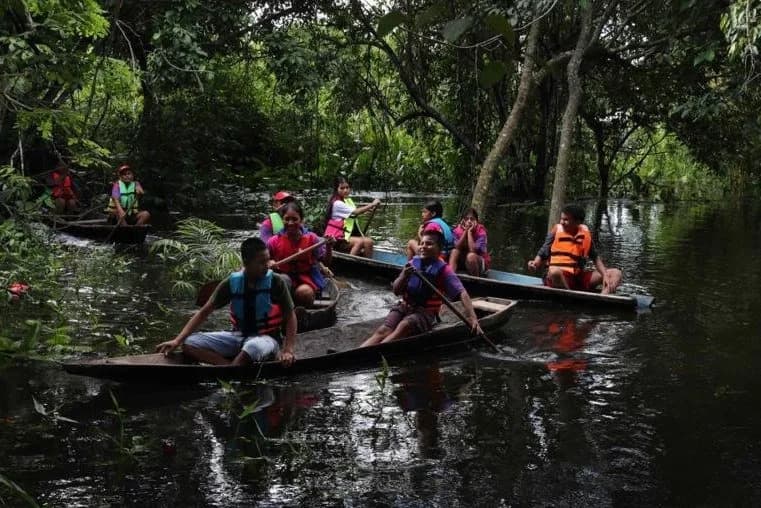
Key Findings: Community-governed forests managed under formal mechanisms—including financial incentives through a PES program—ranked highest on several indicators, particularly drought resilience. Indigenous territories, despite lacking comparable formal contracts and allowing sustainable subsistence use, exhibited similar forest-condition patterns and contained the largest share of areas with improving vegetation greenness over time.
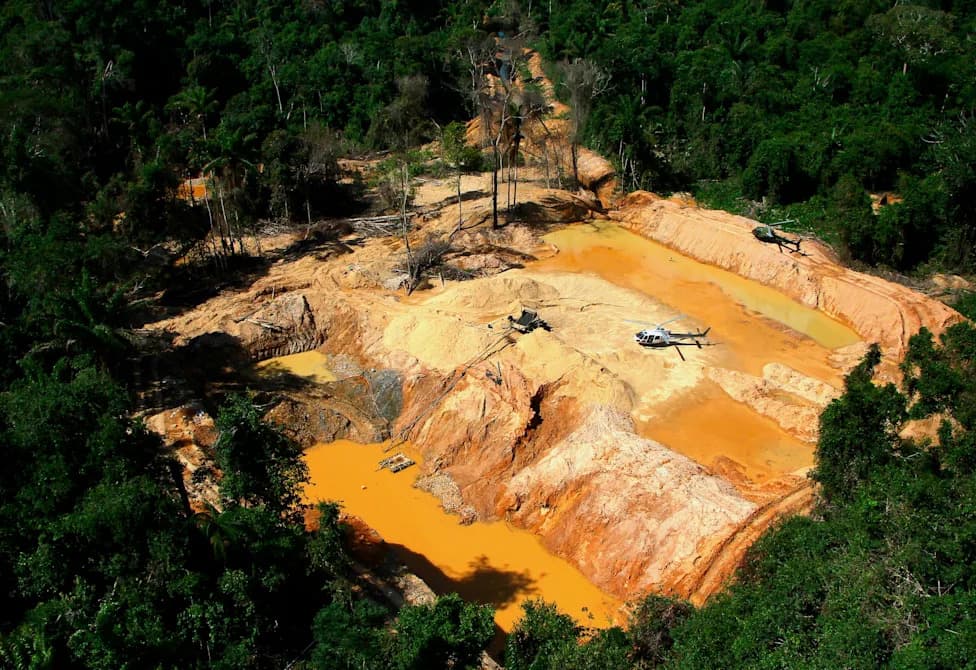
By contrast, state-protected forests showed the largest share of declining vegetation greenness, an indicator of ongoing degradation. Declines were much worse in the northern Ecuadorian Amazon: 78.6% of analyzed pixels in the north showed declining greenness, compared with 57.1% in the south, a disparity the authors link to higher road density, population pressure and oil development in the north.
"If we want forests to continue providing clean water, climate regulation, biodiversity, and economic opportunities for future generations, we need to understand which management approaches are actually working on the ground," said lead author Fernando Troya, who conducted the study during his doctoral work at KU Leuven in Belgium.
Context and Implications: The findings reinforce broader Amazon research showing that Indigenous peoples and local communities often achieve better conservation outcomes when they lead stewardship. The study suggests policymakers should consider strengthening community and Indigenous land rights, supporting PES and other incentive programs, and focusing enforcement and development planning where road building, extraction, and population pressures threaten standing forests.
Related Evidence: Other Amazon research cited alongside the Ecuador study includes restoration efforts in Brazil that dramatically reduced deforestation in protected areas, community guardian programs delivering conservation gains for biodiversity and stability, and collaborative projects reconnecting habitat with forest bridges for primates.
Notes on Sources: Results and regional decline figures are reported in the peer-reviewed study and summarized in coverage by Mongabay. The study uses remote-sensing indicators that capture both gradual degradation and abrupt disturbances, providing a multi-dimensional view of forest health.
Help us improve.