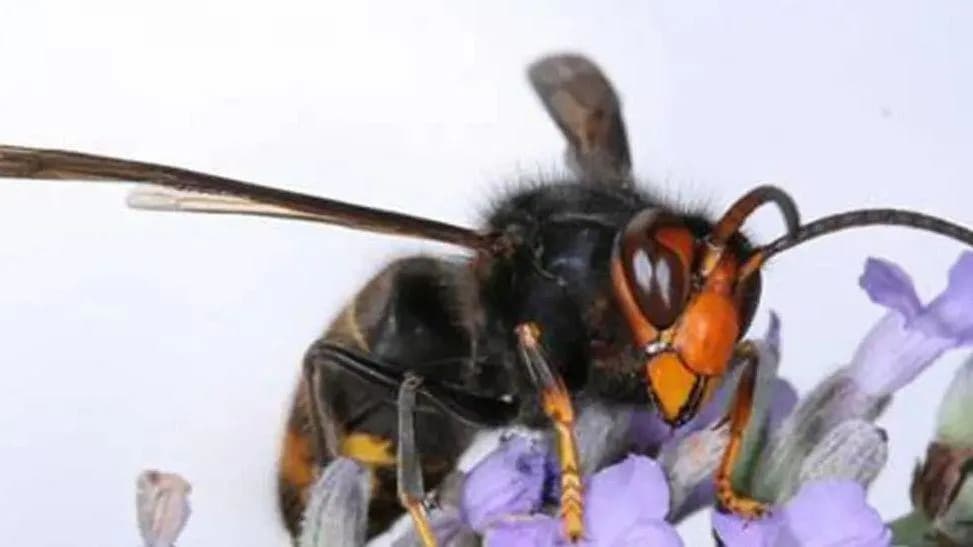
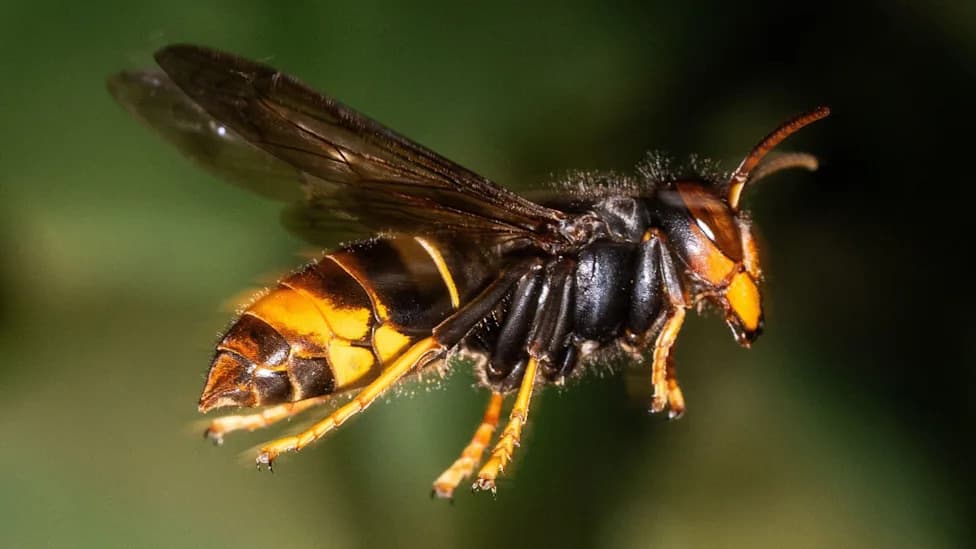
Georgia officials are urging residents—especially in Bryan, Bulloch, Chatham, Effingham, Liberty and Screven counties—to watch for invasive yellow-legged hornet nests as spring queens establish colonies. First reported in Georgia in 2023, these hornets build papery, above-ground nests (often in trees) that can grow to house up to 6,000 workers. Early reporting to the Georgia Department of Agriculture helps stop nests before they expand and protects honeybees and other pollinators essential to the state’s agriculture.
Georgia Warns Residents: Invasive Yellow-Legged Hornet Nests Can Hold Up To 6,000 — Report Sightings
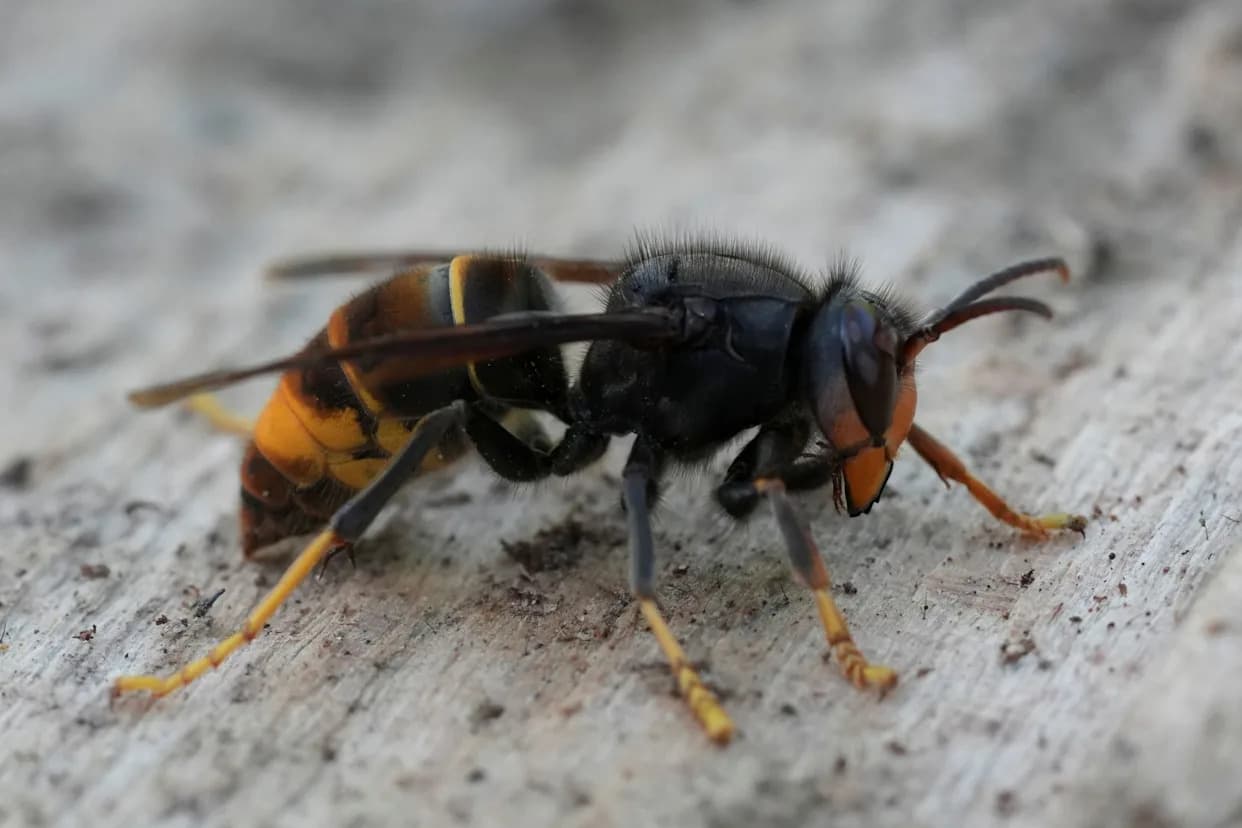
Photo Credit: iStock
Georgia officials are asking residents—particularly along the coast—to be vigilant for an invasive yellow-legged hornet that can threaten honeybees and other pollinators vital to farms, gardens and local ecosystems.
Officials have urged residents in Bryan, Bulloch, Chatham, Effingham, Liberty and Screven counties to watch for early-stage nests as queens emerge in spring and begin new colonies, according to CBS News. The insect was first reported in Georgia in 2023, marking the first confirmed U.S. sighting, and the Georgia Department of Agriculture has been working to locate and trap the species since then.
Primary nests most often appear from April through June. These nests are papery, built above ground—commonly in trees—and often have an egg-shaped appearance. Over the season a single nest can expand to accommodate as many as 6,000 worker hornets. Targeting embryo and primary nests early can prevent much larger colonies later in the year.
Why This Matters
Yellow-legged hornets prey on honeybees and other pollinators. Declines in pollinator populations can ripple through backyard gardens, commercial crops and Georgia’s broader agricultural economy, making early detection and removal a priority.
What Officials Are Asking
"As in previous years, we are asking for the public's continued help," said Georgia Agriculture Commissioner Tyler J. Harper. "Early reporting of embryo and primary nests is critical — it allows us to stop queens before they spread and reduces potential damage to our state's honeybee population. This is especially important for residents of Coastal Georgia."
How To Report A Suspected Nest
If you believe you have found a yellow-legged hornet nest, do not attempt to remove or disturb it. Instead, report the sighting to the Georgia Department of Agriculture’s Plant Protection team at [email protected]. Early reports help experts eliminate nests before they mature and spread.
How Homeowners Can Help
Beyond reporting sightings, residents can support pollinators by planting native flowers and shrubs, providing nesting habitat, and reducing unnecessary pesticide use. Simple actions in yards and community spaces help strengthen native pollinator populations and local food systems.
Safety Reminder
Do not try to handle or destroy hornet nests yourself. Contact the Georgia Department of Agriculture or local extension services for guidance and professional removal if needed.
Help us improve.