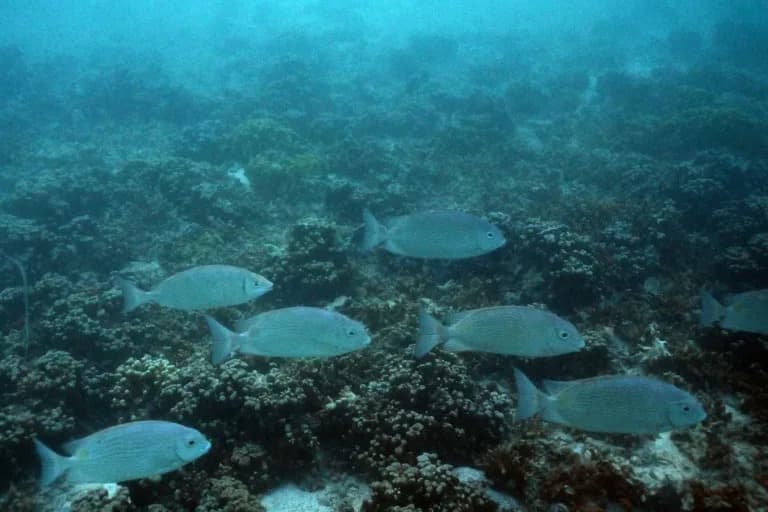
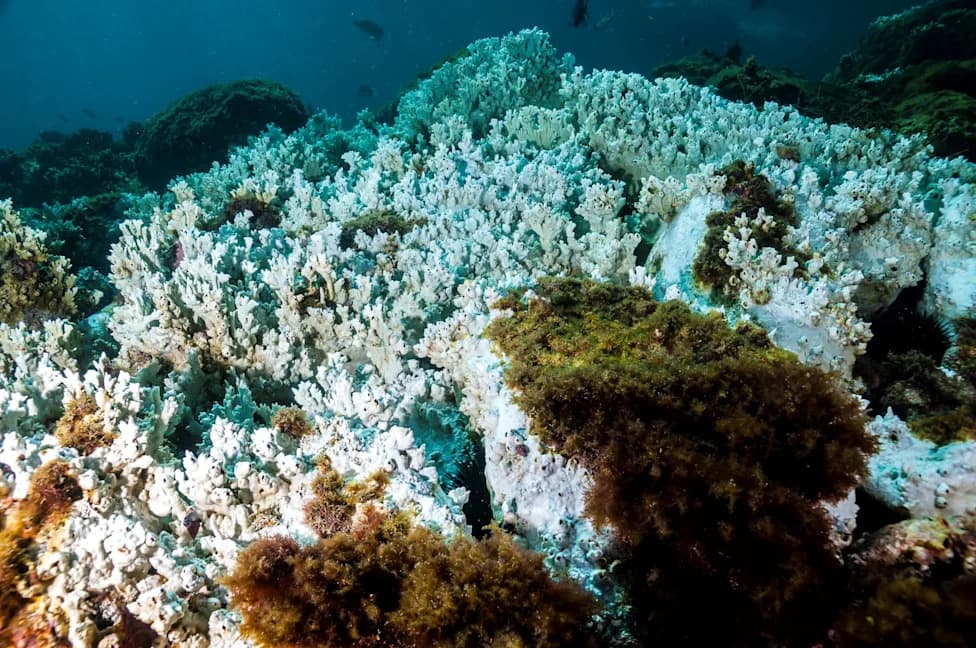
The UN's World Ocean Assessment — prepared by 600 scientists from 86 countries — warns that warming, pollution and overfishing are combining to create a deepening global ocean crisis. Sea-level rise, ocean acidification, coral loss and shrinking fish stocks pose serious threats to food security and coastal economies. The report highlights rapid recent ocean warming and rising seas and calls for immediate, coordinated global action to avert further decline.
UN Warns of a 'Deepening' Ocean Crisis — Warming, Overfishing and Pollution Threaten Food Security
Photo Credit: iStock
The United Nations' latest World Ocean Assessment warns that multiple, overlapping threats are pushing the world's oceans toward a deepening crisis. Compiled by a panel of 600 scientists from 86 countries, the report finds that marine systems essential to human survival are under escalating strain from climate-driven warming, pollution, unsustainable fishing and biodiversity loss.
Key Findings
Sea-level Rise and Ocean Warming: Ocean warming is a major contributor to rising seas, accounting for an estimated 30–50% of observed sea-level rise. Between 2013 and 2023, global sea levels rose by about 4.3 millimetres per year — roughly double the rate seen from 1993 to 2002. Notably, about one-sixth of the ocean’s heat gain over the past 70 years occurred in 2018–2023 alone.
Declining Fisheries and Biodiversity: The report warns that overfishing is worsening: roughly 38% of the world’s fish stocks were exploited at unsustainable levels in 2021, up from 35% in 2019. Warming seas are also forcing species to migrate toward cooler waters, disrupting local fisheries and the communities that depend on them.
Pollution and Contamination: Contaminants — including plastic waste, agricultural runoff, sewage and industrial chemicals — are building up in marine organisms and moving up food chains, ultimately reaching animals consumed by people.
Why It Matters
Coastal zones are economically and socially vital: up to 45% of global economic activity occurs in coastal areas, roughly 3 billion people live within about 62 miles (100 km) of the sea, and fish supply approximately one-fifth of the animal protein consumed by humans worldwide. Continued decline in ocean health therefore threatens climate stability, biodiversity resilience, food security, livelihoods and the well-being of billions of people.
"The coming decade is decisive: without rapid, coordinated global action, ocean health will continue to decline, threatening climate stability, biodiversity resilience, food security, livelihoods and the well-being of billions,"
— Ian Butler, lead author and marine ecologist with the Australian government.
The assessment calls for urgent, coordinated global action to reduce greenhouse gas emissions, curb overfishing, cut pollution and protect critical marine habitats such as coral reefs and mangroves. Without those measures, the report warns, the damage will deepen and the human and economic costs will grow.
Help us improve.