Oceans have absorbed about one-third of human-emitted CO2, causing average seawater acidity to rise roughly 30% since preindustrial times. Increased acidity reduces available carbonate ions, making it harder for corals, oysters, and clams to form skeletons and shells. This threatens reef growth, shellfish production, and the coastal communities and jobs that depend on them. Cutting fossil-fuel emissions through clean energy and efficiency is the most effective way to slow acidification and protect marine ecosystems.
Oceans Are About 30% More Acidic Than Preindustrial Times — What That Means for Corals, Oysters and Coastal Communities
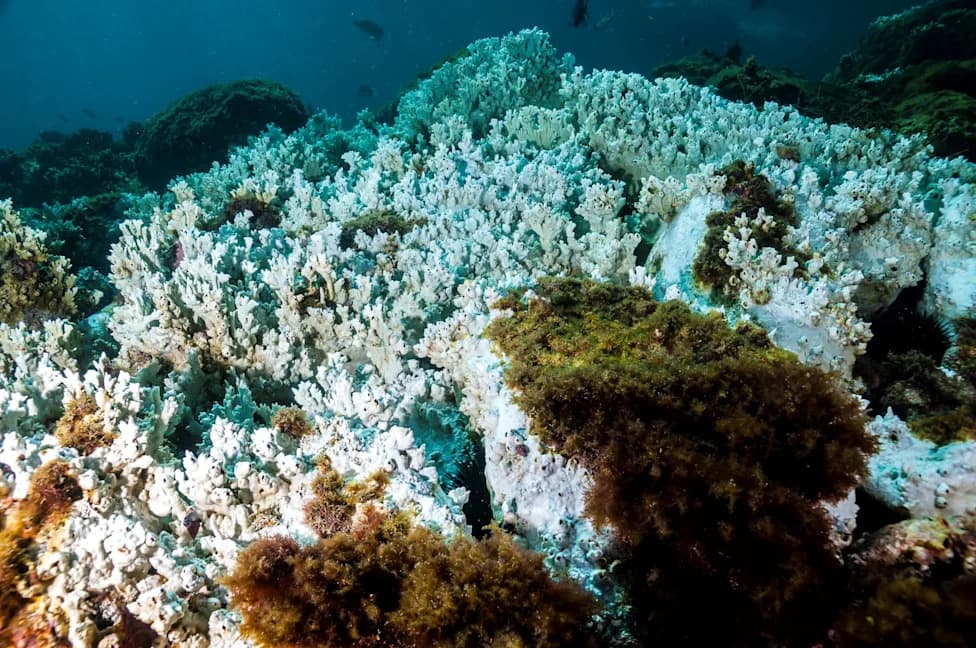
Photo Credit: iStock
The world's oceans hold an almost unimaginable volume of water — enough to fill the Grand Canyon more than 300,000 times — but that vast buffer is undergoing a subtle chemical change many beachgoers would never notice: seawater is becoming more acidic.
When people burn fossil fuels such as oil, gas, and coal, they release carbon dioxide (CO2) into the atmosphere. Roughly one-third of that CO2 is absorbed by the oceans, where it reacts with seawater to form carbonic acid. Compared with preindustrial conditions, average ocean acidity has increased by about 30 percent.
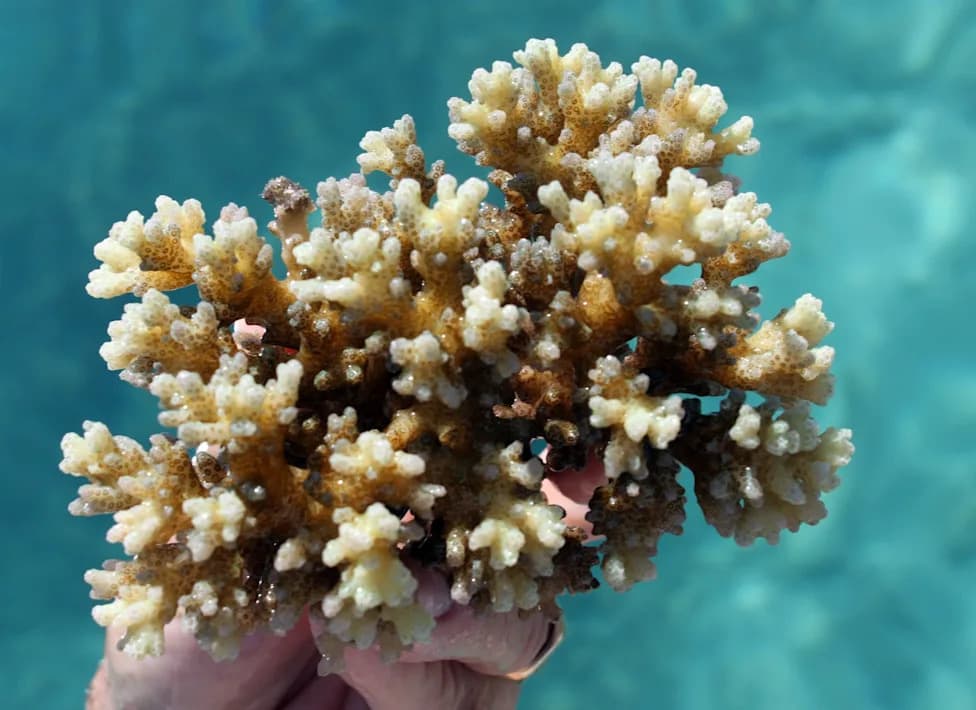
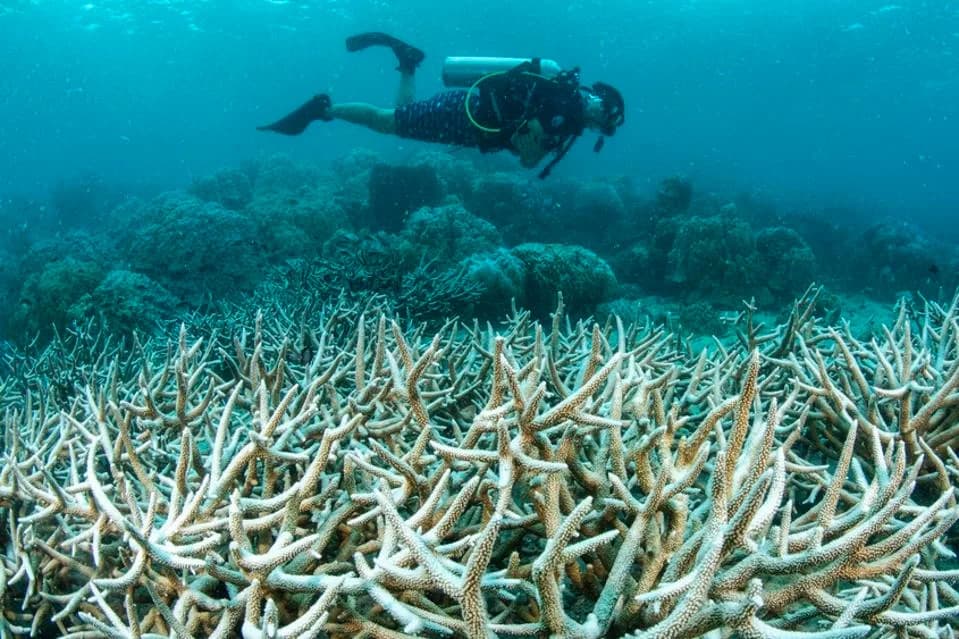
That shift is imperceptible from the shore but matters greatly to marine life. Many organisms — including reef-building corals and shell-forming species such as oysters and clams — rely on carbonate ions to build calcium carbonate skeletons and shells. As waters become more acidic, the concentration of available carbonate declines, making it harder for these species to grow and maintain strong structures.
Ecological and Economic Consequences
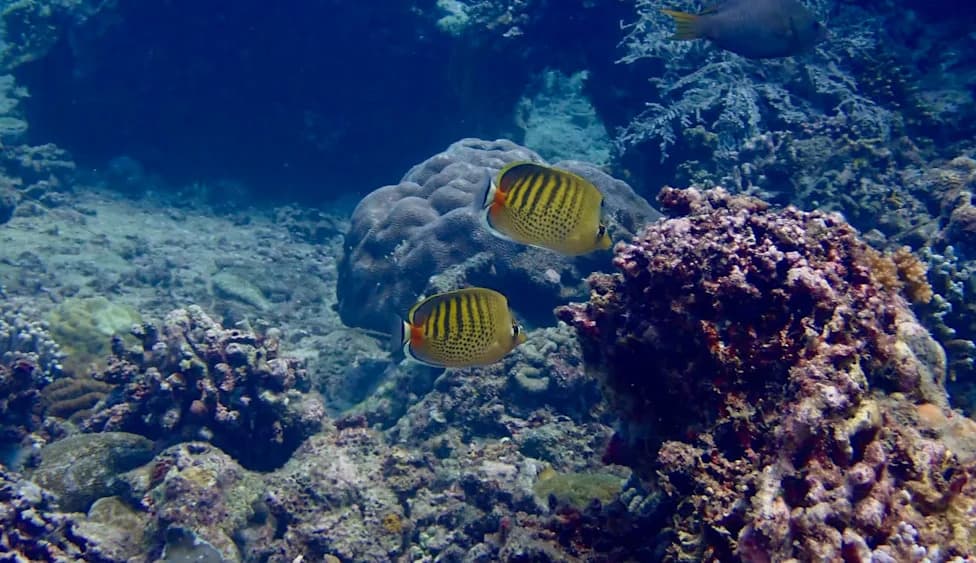
Weaker corals mean slower reef growth and reduced habitat complexity. Declining shellfish health threatens wild fisheries and aquaculture. Together, these biological effects can cascade through food webs, reducing biodiversity and undermining the services reefs and shellfish beds provide — from nursery habitat for fish to natural coastal protection against storms.
Those ecological impacts translate into economic risk. Coastal communities that depend on shellfish harvesting, tourism, and reef-related fisheries could face lower catches, lost jobs, and diminished incomes if acidification continues to worsen. The effects are often most acute for communities with limited economic alternatives.
Acidification Is One Piece Of A Larger Problem
Ocean acidification rarely acts alone. It compounds other climate-driven stresses such as rising ocean temperatures, reduced oxygen levels (deoxygenation), and more frequent marine heat waves. Research shows these stressors can interact in harmful ways — for example, warming can make organisms more susceptible to acidification — creating a ‘‘triple threat’’ to marine life.
What Can Be Done
The root cause of ocean acidification is excess CO2 in the atmosphere. The most effective response is therefore to reduce fossil-fuel emissions: accelerate clean energy deployment, improve energy efficiency, and curb pollution from transportation and industry. These policy actions slow further chemical change in the oceans and buy time for ecosystems to adapt.
Individual actions — using less energy, choosing cleaner transportation when possible, and supporting leaders and policies that cut emissions — also help, although systemic policy shifts are essential for large-scale impact.
Protecting and restoring coastal habitats (for example, seagrasses and mangroves) can provide local benefits, increasing resilience of marine ecosystems and communities while broader emissions reductions take effect.
Bottom line: Reducing carbon pollution is critical to preserving coral reefs, shellfish, fisheries, and the coastal economies that depend on them. Tackling acidification requires both immediate policy action and sustained global emissions reductions.
Source: Yale Climate Connections.
Help us improve.