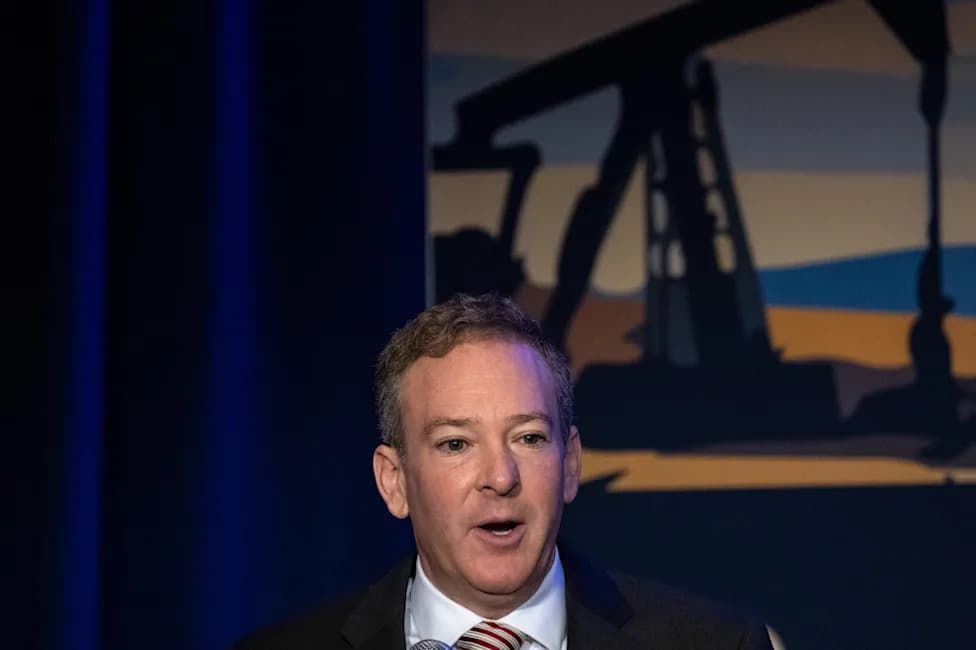
Lee Raymond, who led Exxon from 1993 to 2005, has died at 87. He delivered strong shareholder returns and engineered the $82 billion merger with Mobil, but became a prominent opponent of early climate policy and questioned mainstream climate science. Investigations cited by news outlets say Exxon understood climate risks since the 1970s and may have misled the public; Exxon disputes those findings. Raymond's career highlights the tension between corporate success and public environmental risk.
Lee Raymond Dies at 87 — A Legacy of Corporate Success and Climate Controversy
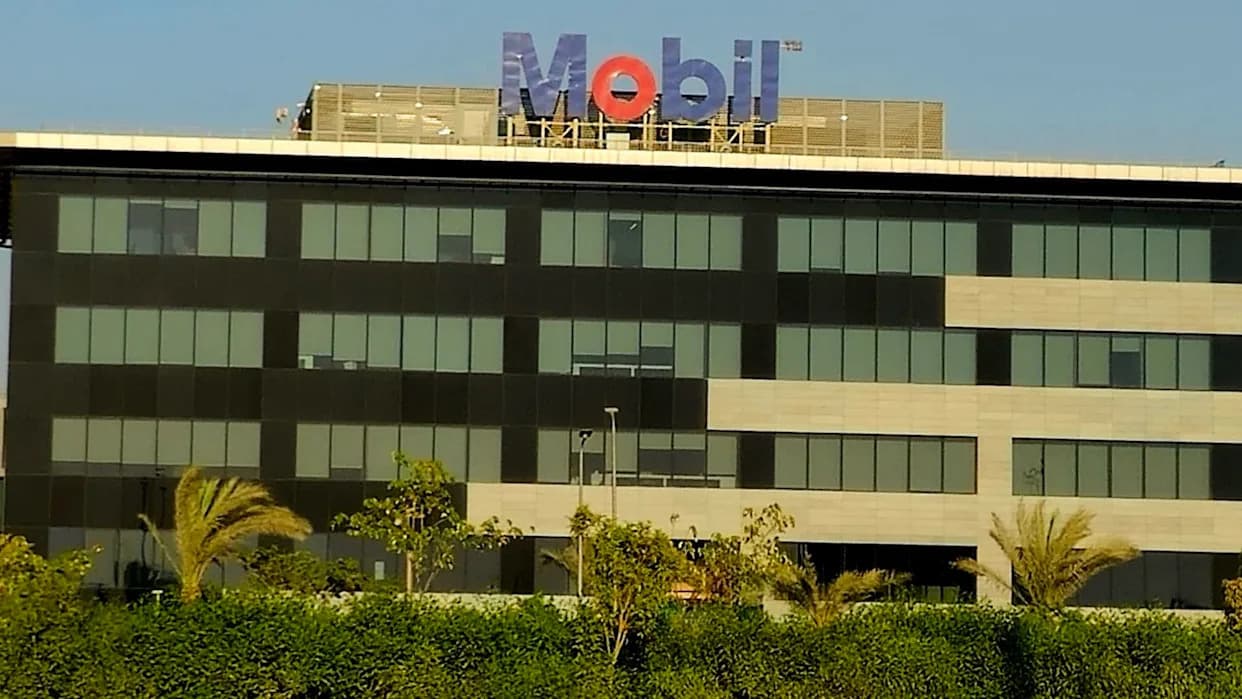
Photo Credit: iStock
Lee Raymond, the former chief executive who led Exxon through a period of major expansion, has died at 87, Bloomberg reported. His long tenure combined exceptional corporate performance with a public stance that often questioned mainstream climate science.
Raymond ran Exxon from 1993 to 2005 and delivered strong returns to shareholders while reshaping the oil industry. Under his leadership, Exxon produced average annual shareholder returns of about 14%, compared with roughly 10% a year for the S&P 500 over the same period. He also oversaw Exxon's landmark $82 billion merger with Mobil in 1999, creating Exxon Mobil and transforming the global energy landscape.
Climate Stance and Controversy
As climate politics intensified, Raymond became one of the fossil-fuel sector's most vocal and confrontational public figures. He opposed the 1997 Kyoto Protocol's effort to cut greenhouse-gas emissions and in a 1997 speech in Beijing said:
'Let's agree there's a lot we really don't know about how climate will change in the 21st century and beyond.'
Years after Raymond left Exxon, multiple investigations cited by news organizations reported that Exxon had studied climate change internally since the 1970s and that the company may have understated or misrepresented what it knew publicly. Exxon has denied those allegations. The reporting intensified scrutiny of the industry's historical research and public messaging on climate risk.
Corporate Success Versus Public Risk
Raymond's tenure underscores a central tension of the fossil-fuel era: enormous corporate success often coincided with decisions critics say increased long-term public and environmental risk. When he left Exxon, the company reported roughly $29 billion in cash on hand. At the same time, the broader impacts of fossil-fuel production and use — from extreme weather and infrastructure damage to air and water pollution associated with respiratory and cardiovascular illness — remained pressing public concerns.
Large energy companies' political influence also shaped policy debates. Critics argue that when firms lobby to delay climate action or slow adoption of cleaner energy, communities lose out on cleaner air, lower energy costs and greater resilience to climate impacts.
Aftermath and Accountability
Pressure on Raymond persisted after his departure from Exxon. Activists targeted him for years, and later shareholder campaigns contributed to his 2020 resignation from JPMorgan Chase's board after a 33-year tenure. Ongoing reporting and investigations into Exxon's climate record have helped fuel calls for greater transparency and industry accountability.
Whether judged for corporate achievements or for his role in climate politics, Raymond's career will remain a touchstone in discussions about the responsibilities of energy companies, the limits of corporate power, and the long-term public consequences of industry decisions.
Help us improve.