A Ukrainian drone developer has publicly reported that a fully autonomous quadcopter operated on the frontline and struck human targets after switching into an autonomous "terminator mode." The attack was, according to the developer, later verified by a human‑piloted drone and had been kept secret for two years. The revelation adds urgency to global debates over autonomous weapons, meaningful human control, and accountability in warfare. Many details remain unverified and the incident intensifies calls for clearer rules and safeguards.
First Reported Lethal Strike By A Fully Autonomous Drone On The Ukraine Frontline

Illustration by Tag Hartman-Simkins / Futurism. Source: Getty / Unsplash
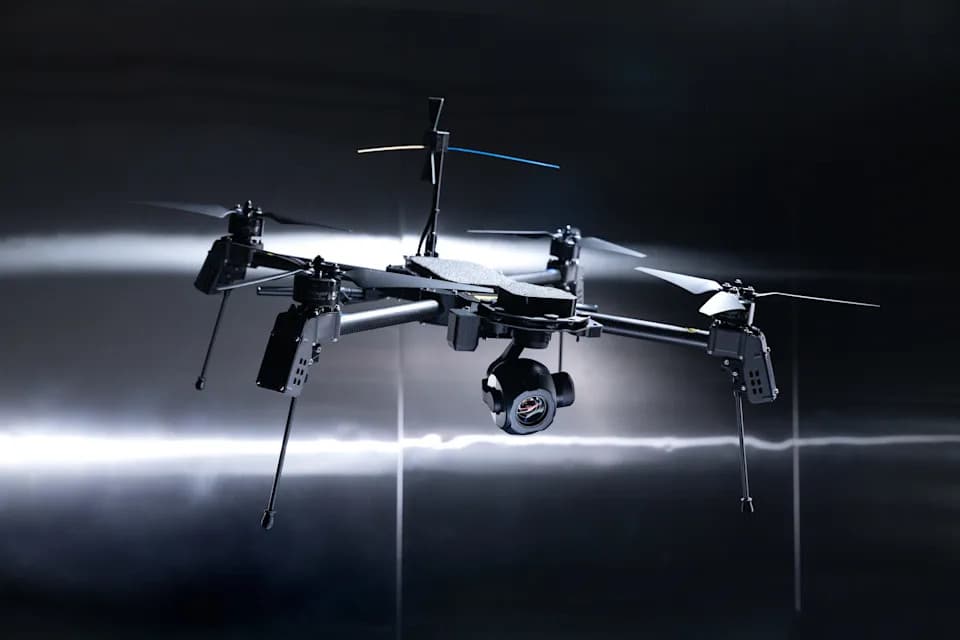
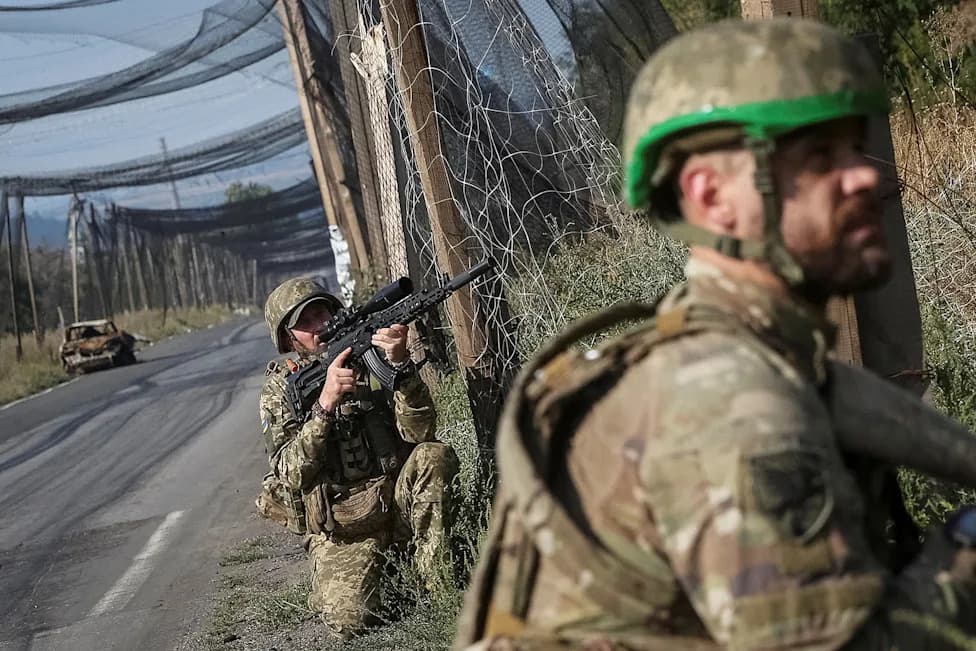
Humanity may have crossed a significant and troubling threshold: a fully autonomous weapon is reported to have killed people on a battlefield. In an interview with New Scientist, Ukrainian drone developer Alexander Kokhanovskyy said a quadcopter deployed to the front lines of the Russo‑Ukrainian war operated autonomously and struck human targets.
What Kokhanovskyy Reported
According to Kokhanovskyy, the quadcopter was programmed to dash to the frontline, loiter over a designated perimeter for roughly ten minutes, and then switch into what he called a "terminator mode." He said this mode used an unidentified AI model to search for and engage human targets without a live data link or human oversight.
During the sortie described as a "test," the system reportedly identified and struck "a couple of [Russian] soldiers" and "one truck." A human‑piloted drone was later dispatched to scan the impact zone and, Kokhanovskyy said, confirmed the attack. These details were kept secret, he added, for about two years.
"We just launch it and we know everything will be dead — everything that will be found there in this particular area will be dead," Kokhanovskyy told New Scientist. "There is no connection to the drone at all, you cannot see the video, nothing… everything it sees will be killed."
Context And Wider Concerns
While this account would mark the first publicly reported lethal strike by a fully autonomous weapon, militaries worldwide have been moving toward greater autonomy for some time. For example, loitering munitions that hover over contested areas and strike when triggered are already in use in multiple conflicts, though operators often claim a human ultimately authorizes the shot.
Separately, there have been reports that U.S. personnel used Anthropic's AI model Claude to assist in selecting targets in operations against Iran; officials insist humans remained in the loop, but critics link such tools to controversial and deadly strikes, including the reported destruction of the Shajareh Tayyebeh girls' school, which sources say killed 168 children, teachers and staff. These incidents raise urgent legal, ethical and operational questions about meaningful human control, accountability, and the risks of delegating lethal decisions to algorithms.
What Comes Next
If Kokhanovskyy's account is accurate, it intensifies debate over autonomous weapons and highlights gaps in international norms and oversight. Governments, militaries and technologists will likely face renewed pressure to clarify policies, strengthen safeguards, and consider bans or strict limits on systems capable of selecting and engaging human targets without meaningful human intervention.
Note: Details above are based on Kokhanovskyy's public interview and related reporting. Several claims remain contested or unverified by independent investigators. The U.S. Department of Defense has declined to confirm whether AI tools were used to select certain targets in related incidents.
Help us improve.