AWICIS is a new framework that reframes invasion impacts to quantify physical and mental suffering experienced by individual animals. It adapts EICAT’s 12 mechanisms and retains a five-level severity scale, but redirects criteria to focus on welfare outcomes from negligible to prolonged suffering. Applied to published datasets, AWICIS found invasive birds mainly cause competition- and predation-related stress, while invasive ants produce disproportionately severe and prolonged harms across many animal groups. The authors recommend AWICIS be used alongside biodiversity metrics to guide policy and reduce animal suffering.
New AWICIS Tool Quantifies How Invasive Species Cause Animal Suffering
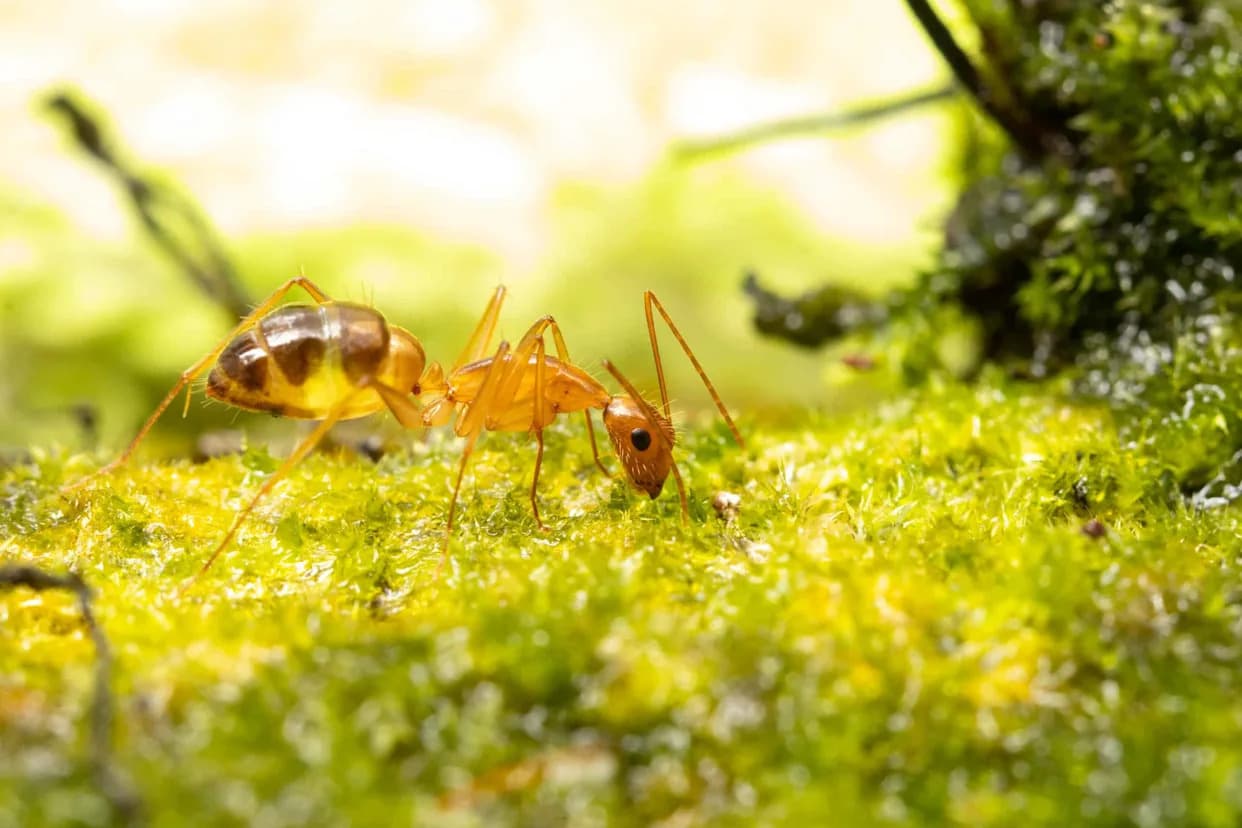
Anoplolepis gracilipes, yellow crazy ant© frank60/Shutterstock.com
Invasive species are widely studied for their effects on biodiversity and economies, but their direct effects on the welfare of individual animals have been much less examined. A team led by Thomas Evans and Michael Mendl has introduced a new assessment framework—the Animal Welfare Impact Classification for Invasion Science (AWICIS)—that reframes invasion impacts to quantify physical and mental suffering experienced by animals.
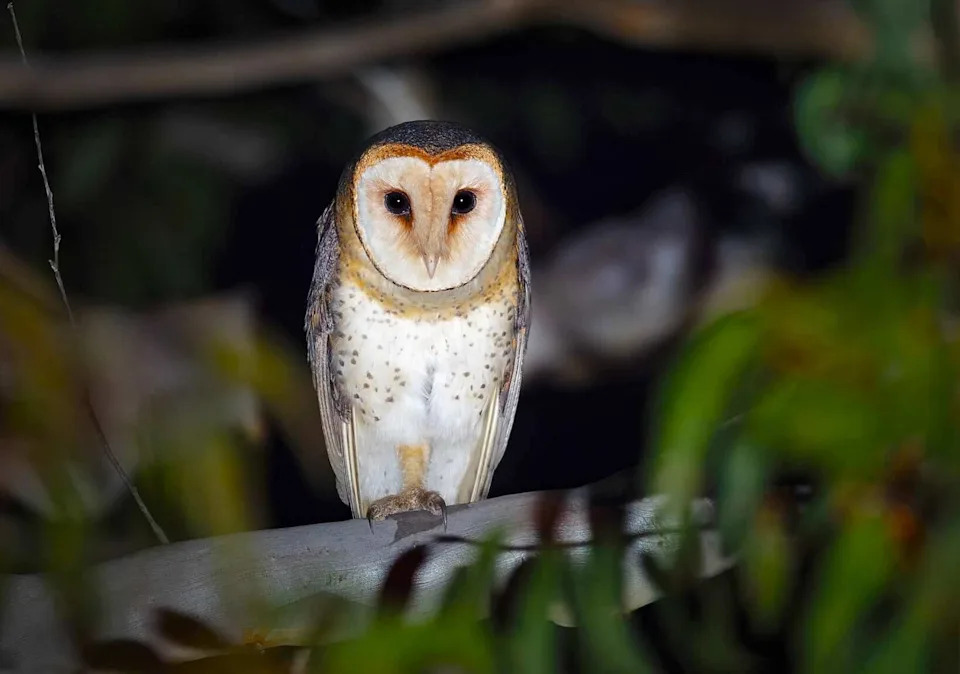
Australian Masked Owls (Tyto novaehollandiae) have been introduced to some islands that have invasive rats; these birds have begun hunting native birds, and were included in the study.©JJ Harrison/CC BY-SA 4.0 –Original/License
Why AWICIS Was Developed
Traditional impact assessments such as the International Union for Conservation of Nature’s Environmental Impact Classification for Alien Taxa (EICAT) evaluate invasives across 12 mechanisms (competition, predation, parasitism, disease transmission, poisoning, and others). While EICAT is focused on biodiversity and population-level effects, it does not explicitly measure the welfare of individual animals. The authors argue that growing behavioural, cognitive and neuroscientific evidence supports broad animal sentience, and that a welfare-focused metric is needed to capture the suffering invasions can cause.
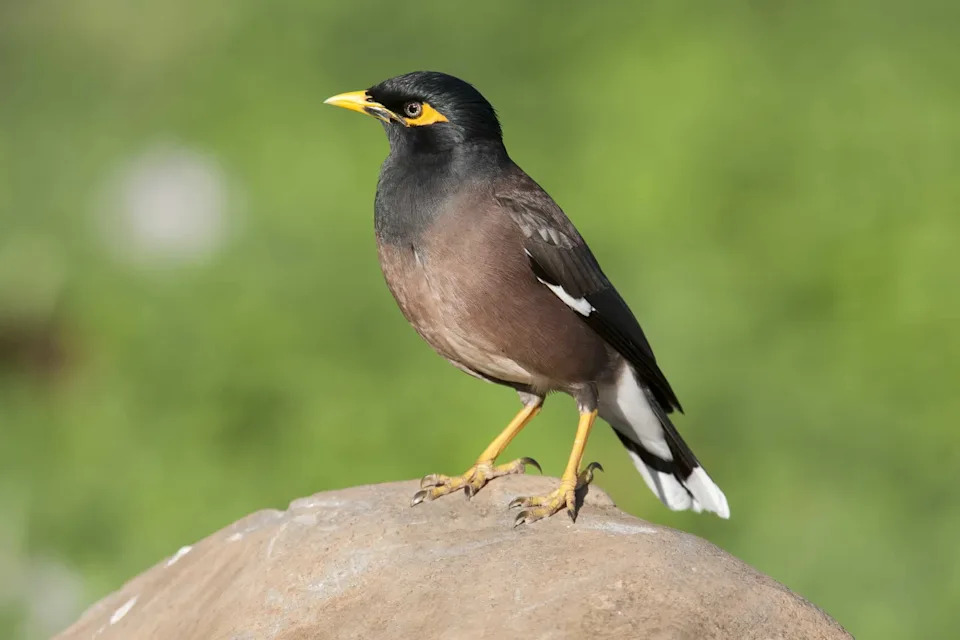
Common Myna birds (Acridotheres tristis) have become problematic invaders in many tropical and subtropical ecosystems.©Stubblefield Photography/Shutterstock.com
How AWICIS Works
AWICIS adapts EICAT’s 12 mechanisms but reframes each to ask whether and how an invasive species causes welfare harms. The framework also retains EICAT’s five-level severity scale but redefines the categories for welfare outcomes, from Level 1 (negligible welfare impacts) to Level 5 (prolonged suffering that would not occur in the absence of invasions).
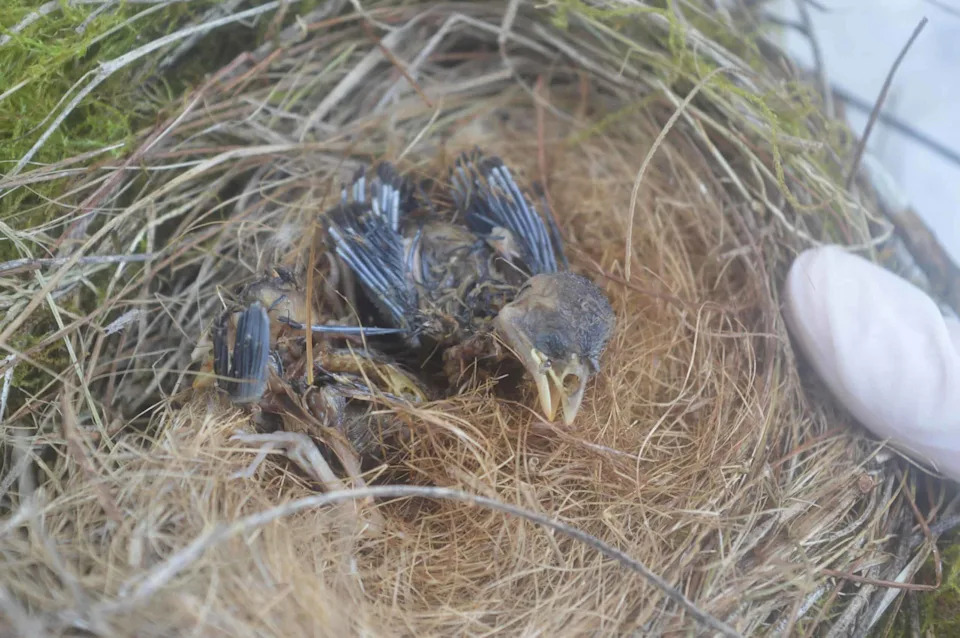
Dead Darwin’s finch (Geospizaspp.) nestlings with enlarged nostrils caused by avian vampire fly parasitism©Andrew Katsis/CC BY 4.0 –Original/License
Illustrative Examples
The authors highlight several striking cases that demonstrate why welfare-focused assessments are important. The Philornis downsi (avian vampire fly) in the Galápagos lays larvae that burrow into nestlings, consuming blood, keratin and soft tissues and causing deformities, impaired vocalization, and death. These direct, individual-level harms are not well captured by population-only metrics.
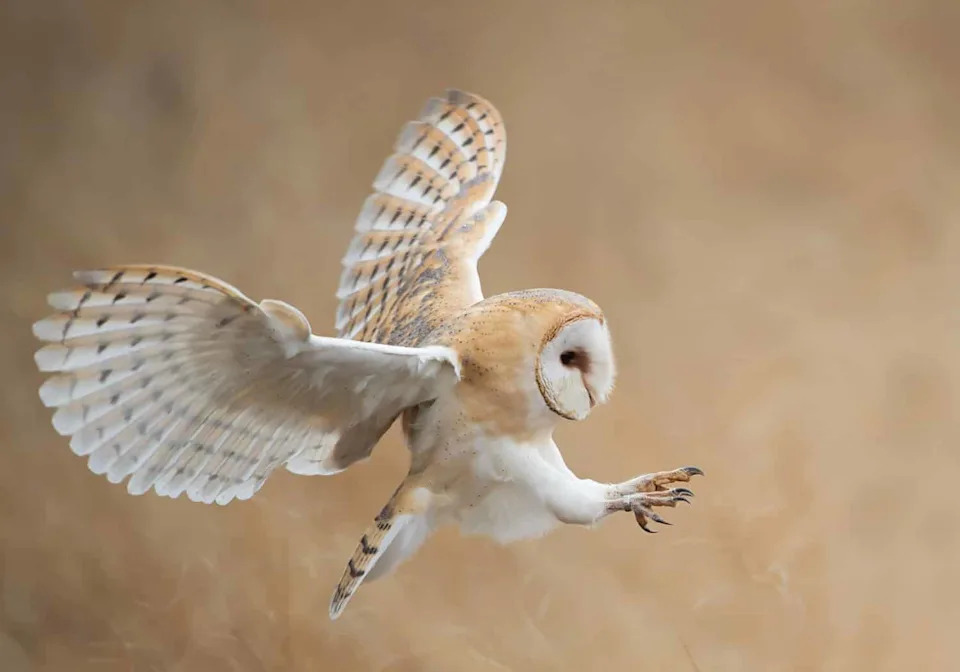
Barn owls (Tyto alba) have been introduced to some island ecosystems to control invasive rodents like rats and mice©MZPHOTO.CZ/Shutterstock.com
Ant invasions provide another dramatic example. Introduced yellow crazy ants (Anoplolepis gracilipes) spray formic acid that inflicts prolonged pain and injury, while red imported fire ants (Solenopsis invicta) deliver venomous bites that can kill vulnerable young animals within hours. AWICIS captures the intensity and duration of such suffering in ways biodiversity-only frameworks do not.
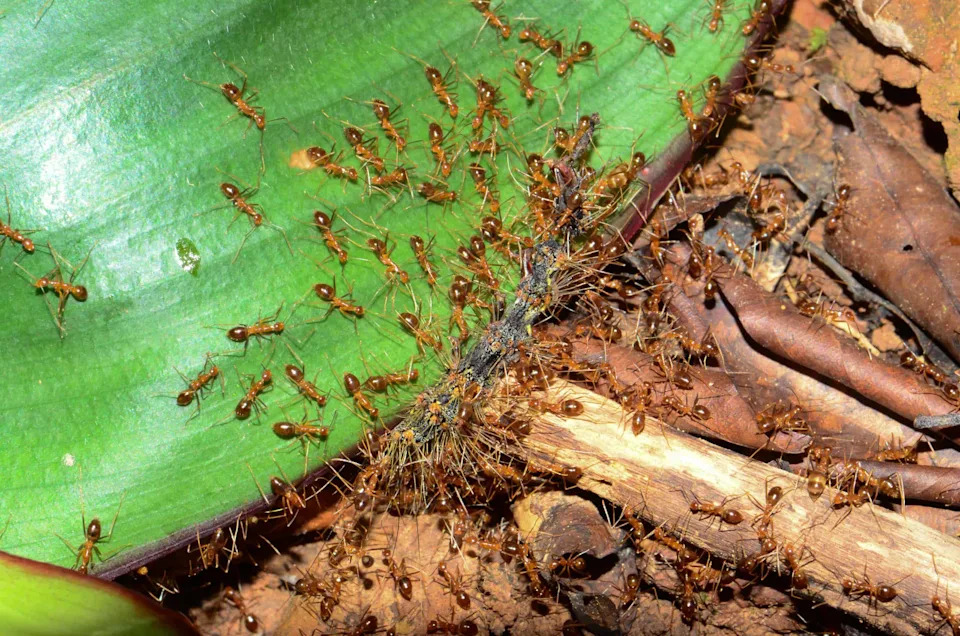
Yellow crazy ants spray formic acid on their prey, a debilitating attack with long-lasting effects©demonhero69/Shutterstock.com
Test Case: Birds and Ants
To test AWICIS, the researchers applied it to published datasets on invasive birds and ants. Key findings include:
- Invasive birds were associated with welfare harms across 23 orders of birds and additional orders of mammals and reptiles. Most bird-related impacts fell into competition (61%) and predation (25%). Behavioral indicators (e.g., nest abandonment, listlessness) made up 63% of bird harms; physical signs (carcasses, lesions, infections) accounted for 37%.
- Invasive ants caused harm across six animal classes and 27 orders. A striking 92% of documented ant impacts were classified at the two most severe AWICIS levels (Level 4 or 5), reflecting frequent prolonged suffering and rapid lethal effects on immobile or ground-nesting life stages.
Implications for Conservation and Policy
Evans and Mendl recommend that AWICIS be used alongside biodiversity-focused tools like EICAT to provide a fuller picture of invasion impacts. By quantifying welfare outcomes at the individual level, AWICIS can inform priorities for eradication, control, and mitigation, and help policymakers incorporate animal sentience into decision-making. The authors also note AWICIS can be applied to harms experienced by introduced organisms themselves, not only native species.
Conclusion
AWICIS fills an important gap by making animal welfare a measurable dimension of invasion science. When combined with traditional biodiversity metrics, it can improve our understanding of the full costs of biological invasions—ecological, economic, and ethical—and better inform management actions that reduce suffering.
Source: Evans & Mendl et al., Nature Communications (summary of published framework and its application to birds and ants).
Help us improve.