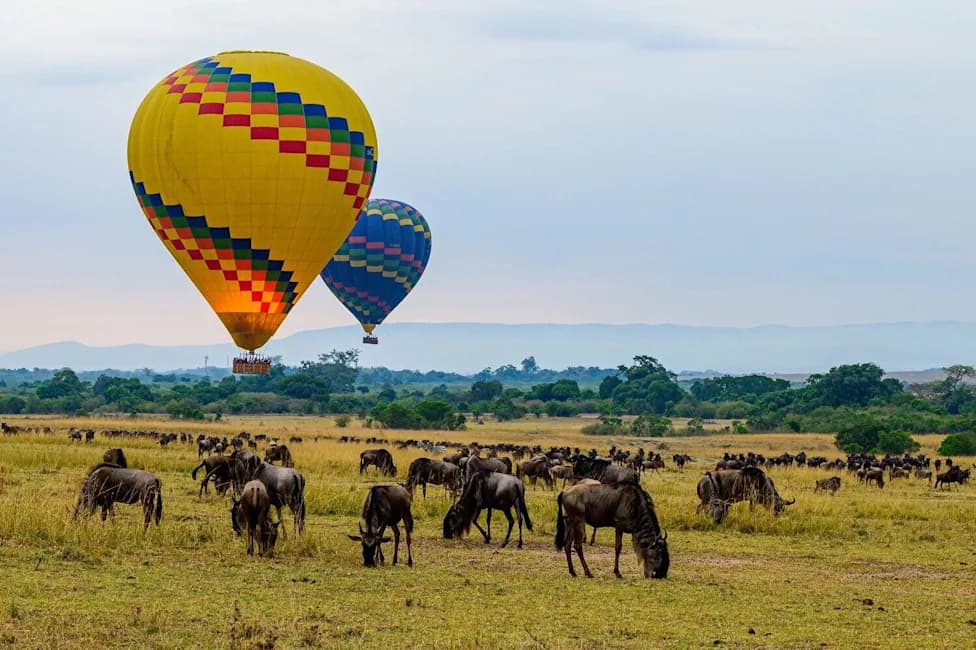
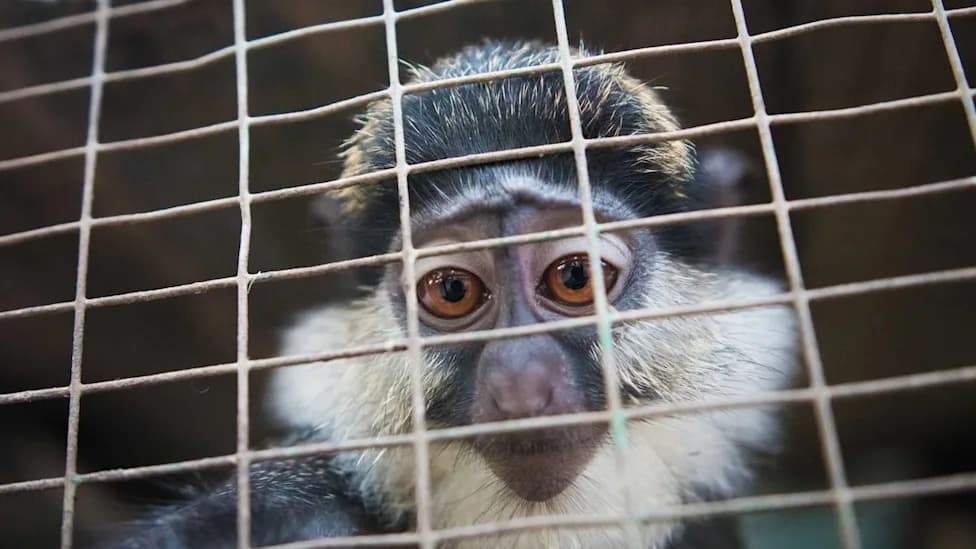
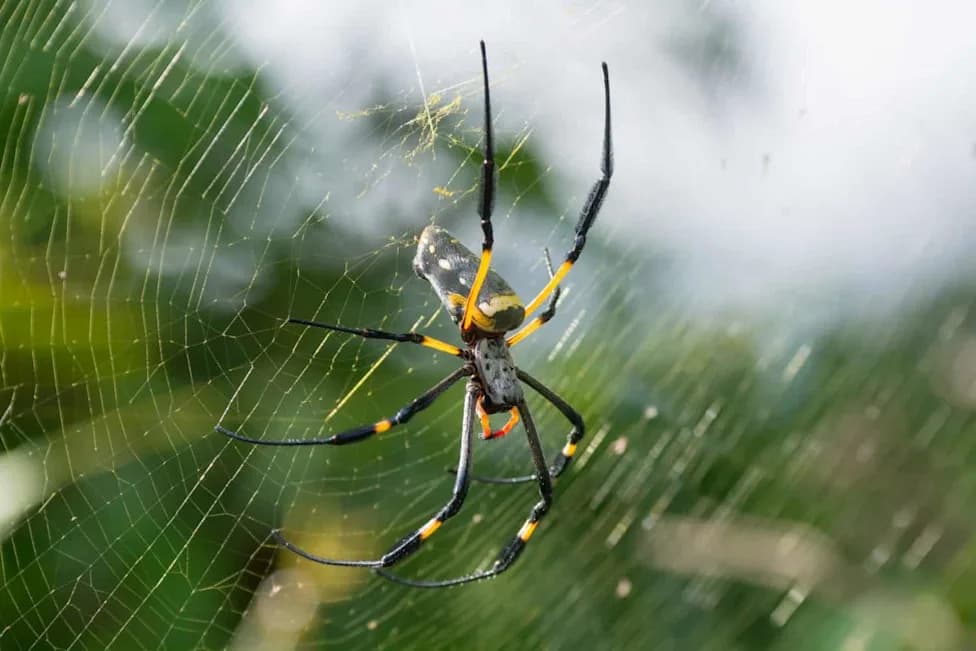
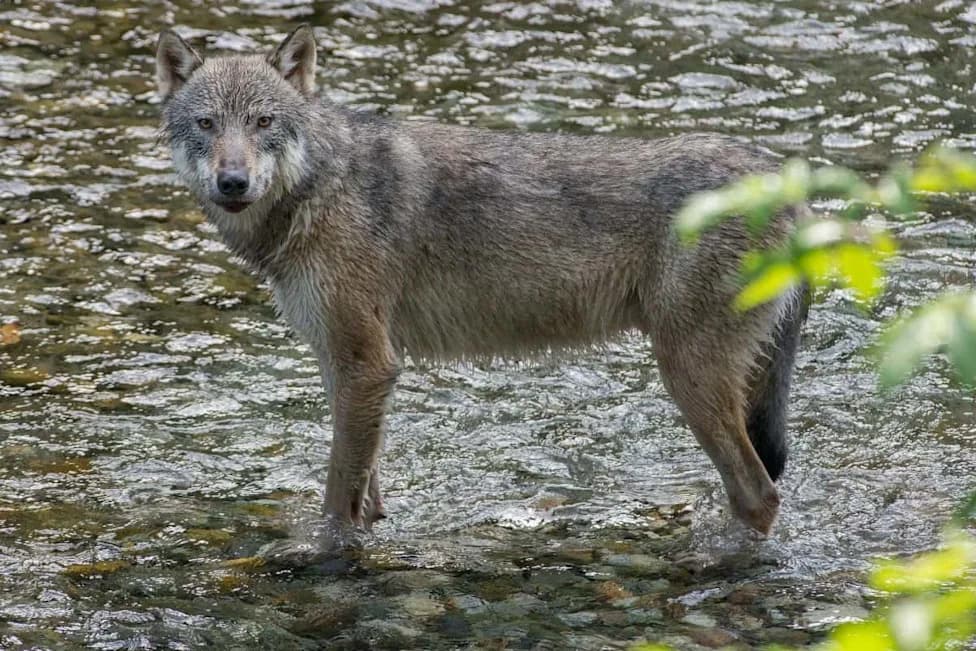
Who Eats Whom leverages iNaturalist photos to crowdsource documented feeding interactions, creating a global database of roughly 17,000 records across 5,700 species in 100+ countries. The project visualizes complex food webs, reveals changing feeding patterns driven by climate shifts and invasions, and captures rare interactions ordinary observers often spot first. By mapping who eats whom, the platform helps conservationists protect both species and the ecological relationships they rely on.
Send Your Wildlife Photos — Scientists Are Mapping Real Food Webs
Why scientists want your photos of wildlife eating lunch
The tidy food-chain diagram you learned in school—rat eats crops, ermine eats the rat, eagle eats the ermine—omits a lot of ecological complexity. Parasites such as ticks and intestinal worms feed on predators, scavengers like ants and vultures consume carcasses, and some species even prey on their own young. In nature, feeding relationships form tangled webs rather than straight lines.
How the Project Works
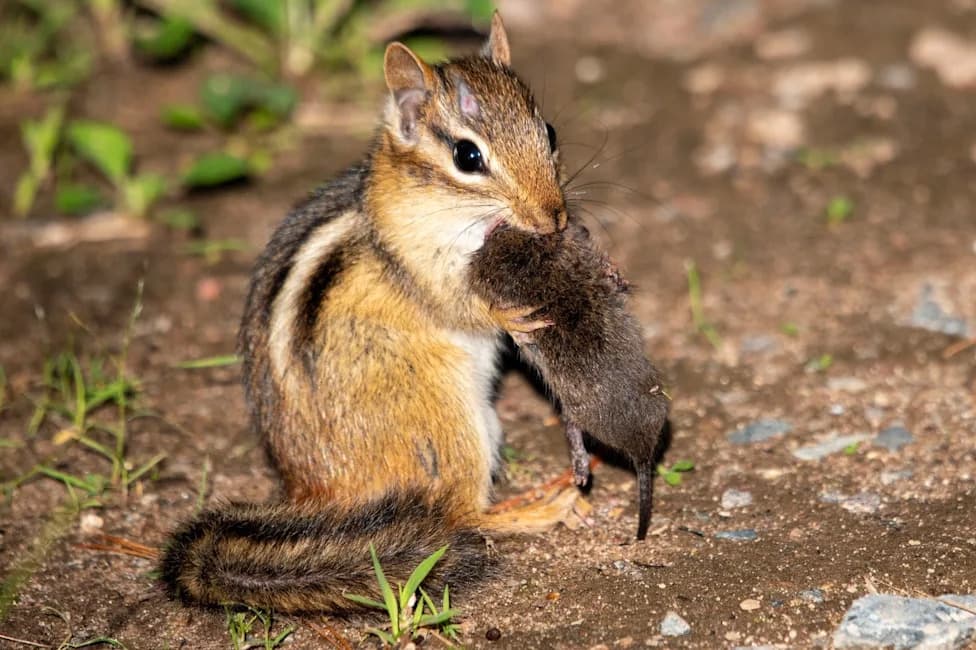
Who Eats Whom is a citizen-science platform that harvests geotagged photos from iNaturalist to document feeding interactions worldwide. Users upload images; the platform links predator and prey observations to build a searchable database. For example, a photo tagged “brown rat” might reveal an American ermine carrying one off near Ottawa, or a search for “red-tailed hawk” will turn up photos of raptors with snakes and squirrels across the U.S.
Scale And Scope
To date, the database includes roughly 17,000 documented interactions involving about 5,700 species across more than 100 countries. As ecologist Bradley Allf — who developed the platform — notes, crowdsourcing produces far more feeding records than a single research team could collect by traditional field methods.
Why It Matters
By accumulating observations over years, Who Eats Whom can reveal changes in feeding relationships driven by climate change, range shifts, and invasions. Computer scientist Aditi Mallavarapu, co-author of a PLOS Biology paper on the project, emphasizes that the absence of formerly common interactions can be as informative as new records.
Interactive Insights
The site’s Interactive Food Web visualizes how energy flows through ecosystems: arrows show who eats whom, and nodes can reveal multi-step links (for example, a hawk eating robins that feed on invasive buckthorn). The database also highlights pollinators’ dual roles as both prey (e.g., honey bees eaten by crab spiders) and ecosystem engineers that sustain plant communities.
Unexpected Finds And Citizen Power
Users have documented surprising events — New World vultures feeding on wild boar, raccoons, and even a likely stillborn baby white shark along a California beach. With millions of smartphone cameras in the wild, everyday observers provide critical coverage for rare or ephemeral interactions that scientists might never witness otherwise.
Conservation Applications
Understanding who eats whom helps conservationists protect not just habitats but the relationships species need to survive. As species track cooler climates toward the poles, food webs are being reshuffled; timely, crowdsourced records can signal new arrivals or identify vulnerable prey targeted by invasive predators like lionfish.
"Species don't just need space — they need the relationships that allow them to survive," Allf says. Platforms like Who Eats Whom help ensure managers account for those relationships when planning conservation action.
Help us improve.