California’s kelp forests have collapsed across large areas due to a cascade of recent shocks: a prolonged marine heatwave (2013–2016), mass sea star losses from wasting disease, and explosive purple sea urchin growth. Satellite records show declines of more than 95% in some regions between 2014 and 2019. Volunteers and scientists have removed millions of urchins and are experimenting with kelp nurseries, predator reintroductions, and marine reserves, but restoration at scale is costly and uneven. Urgent, coordinated action is needed to preserve ecological, economic, and climate benefits.
Vanishing Giants: How California’s Kelp Forests Collapsed — And How We Can Save Them
Image credits: Unsplash
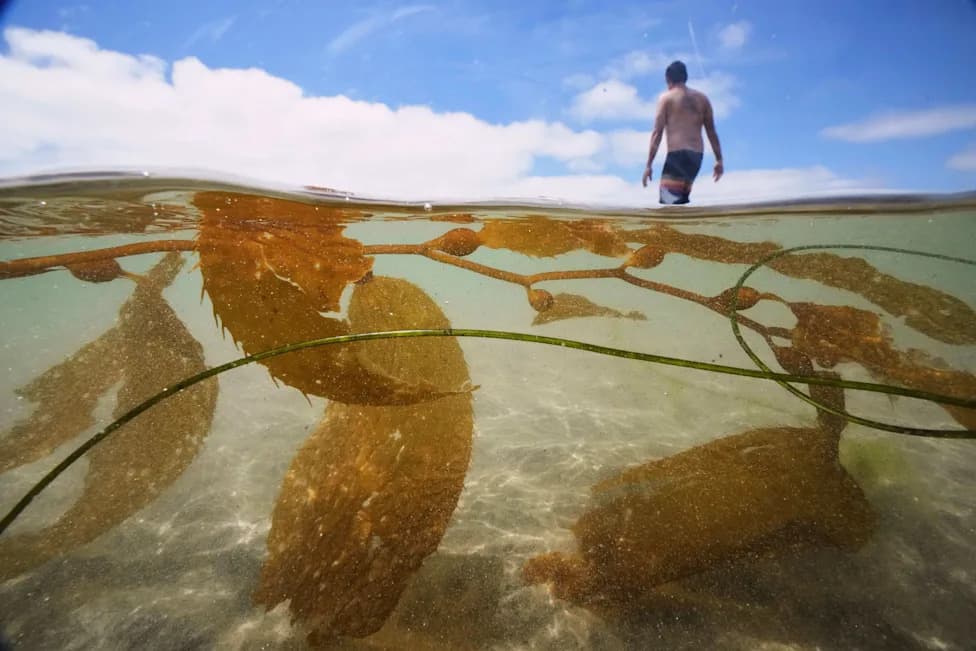
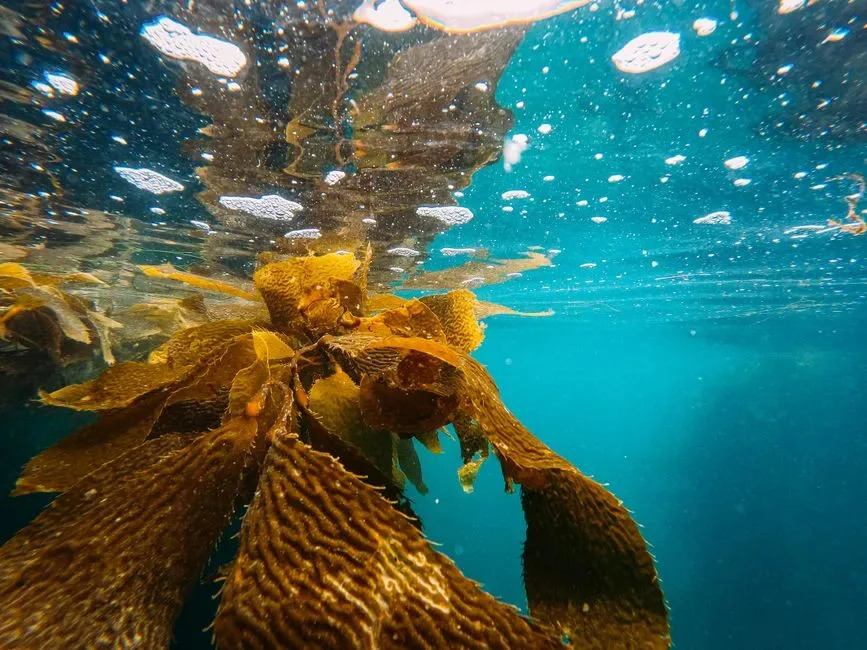
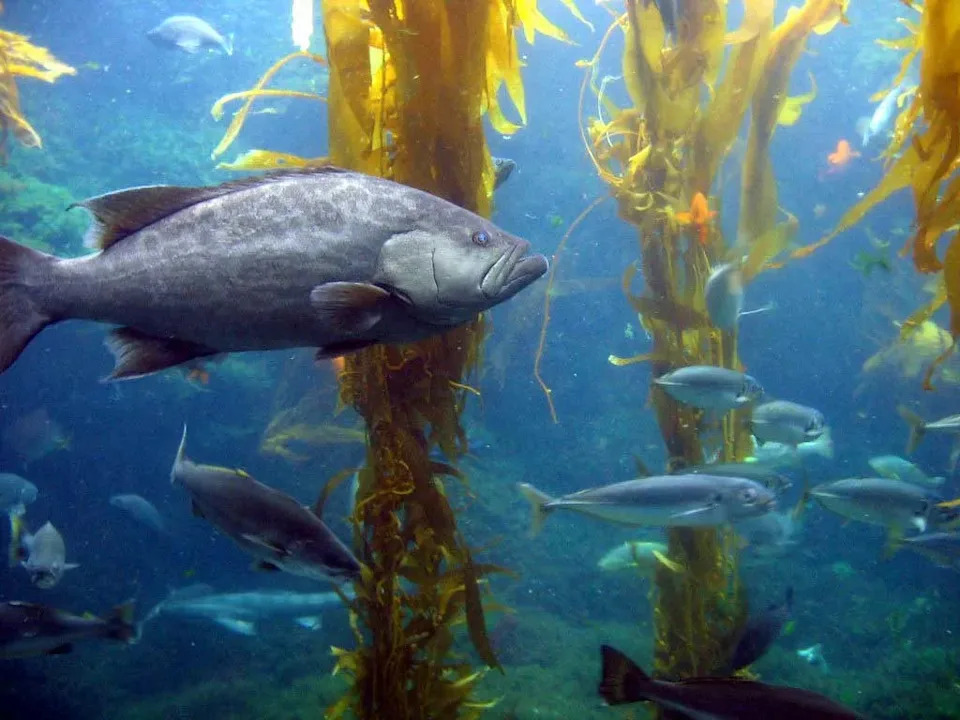
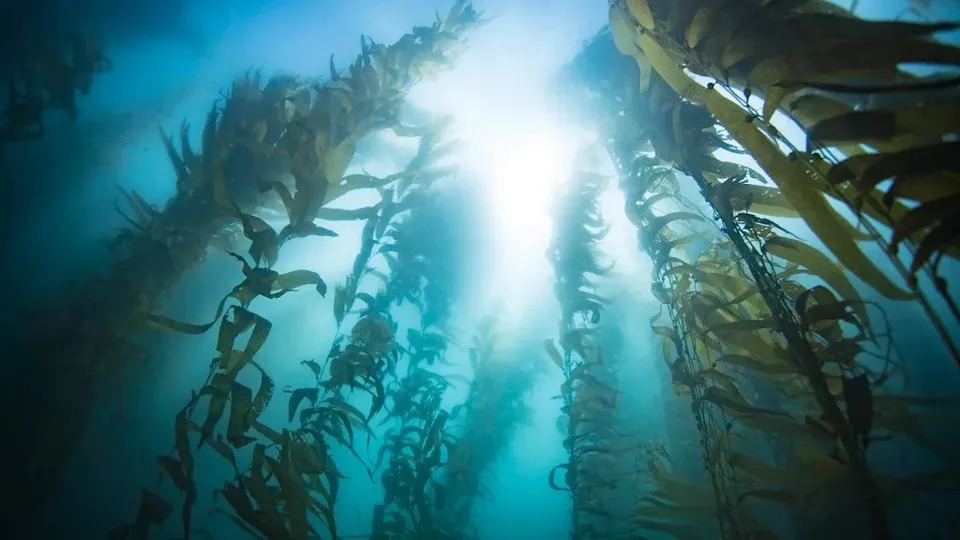
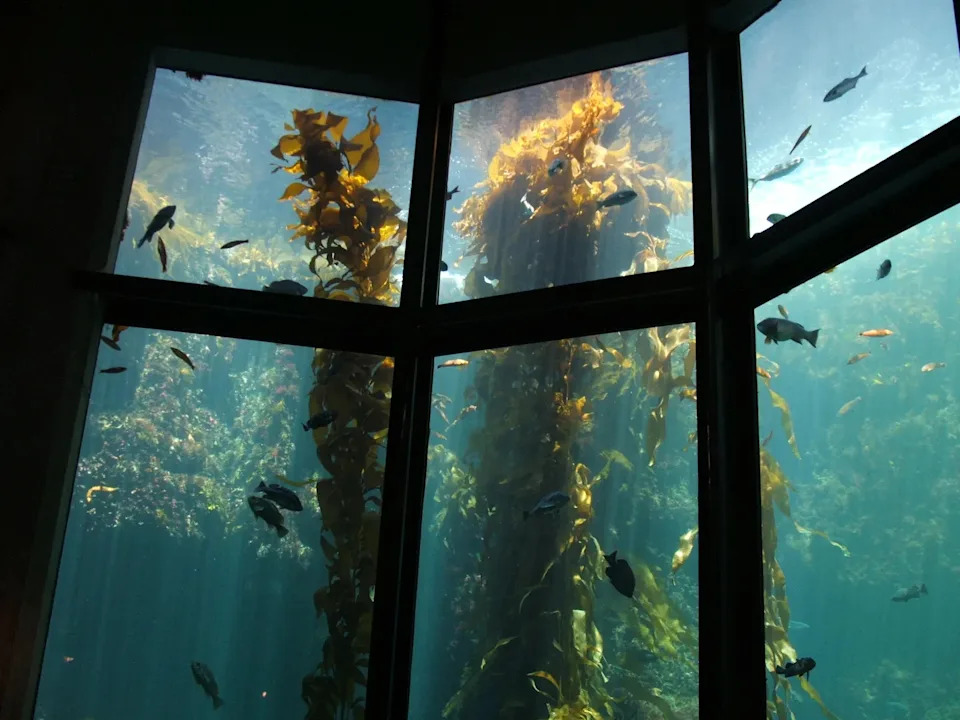
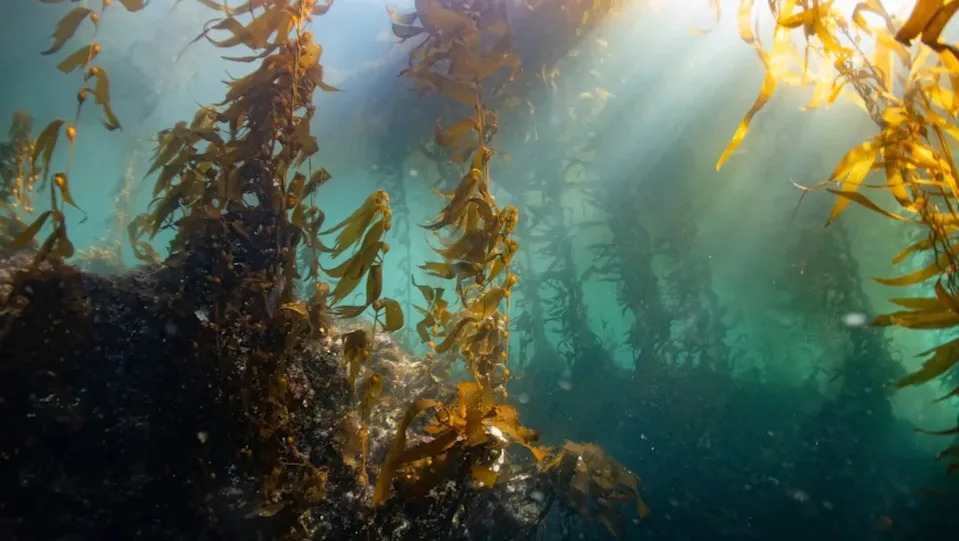
Dive beneath the surface along much of California’s coast and you enter a different world: towering columns of kelp rising from rootlike holdfasts, stems extending up to 100 feet, and leafy blades forming a floating canopy that filters sunlight into shifting green and gold. These underwater forests are among the planet’s most productive ecosystems — and they are disappearing far faster than most people realize.
What Happened
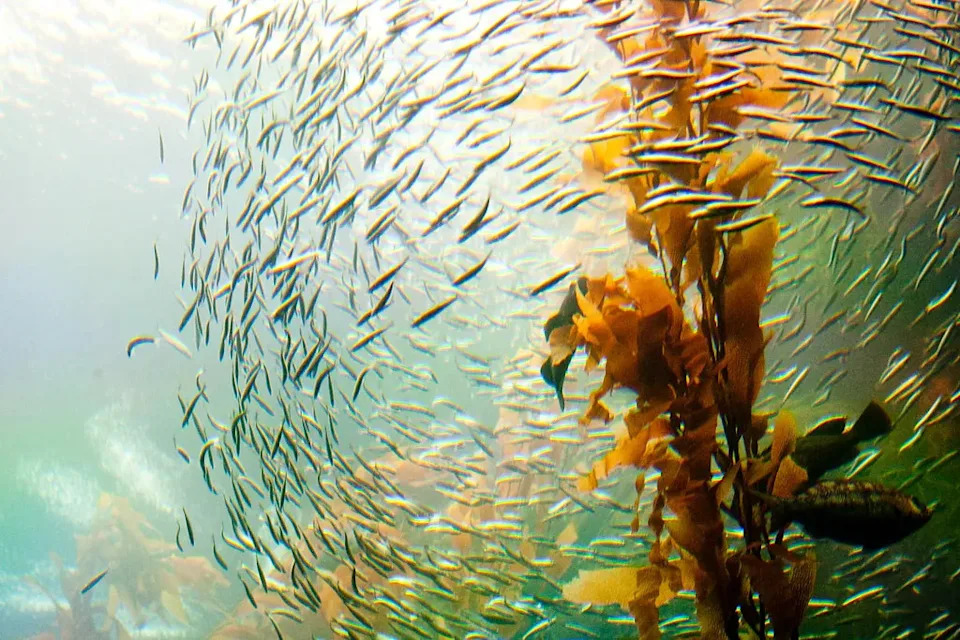
Long-term satellite records and field surveys show the decline was abrupt, not gradual. Analysis of 34 years of U.S. Geological Survey Landsat imagery found that some regions of California lost more than 95% of their kelp cover, with the worst losses concentrated between 2014 and 2019.
The decline followed a cascade of stressors. A record marine heatwave from roughly 2013–2016 — known to scientists and the public as “the Blob” — raised coastal water temperatures and reduced nutrient upwelling, weakening kelp that depend on cold, nutrient-rich waters. That stress was compounded by a mass die-off of sea stars from sea star wasting syndrome and a dramatic outbreak of purple sea urchins. Together these factors transformed lush kelp forests into long-lasting “urchin barrens” across hundreds of kilometers of coastline.
Key Figures
In northern California, kelp that once averaged about 210 hectares was reduced to roughly 10 hectares in the hardest-hit areas. Purple sea urchin numbers rose by roughly 60-fold between 2014 and 2015. Sunflower sea stars — a primary urchin predator — declined by about 99% in affected regions and were listed as critically endangered by the IUCN in 2020. Recent research reported in Nature, Ecology & Evolution has implicated the bacterium Vibrio pectenicida as a proximate cause of the wasting disease that devastated sea stars.
Why The Barrens Persist
Urchins in barrens can survive on minimal food and enter low-activity states, shrinking and conserving energy. When new kelp appears, they resume feeding and reproduction, preventing natural recovery. Without predators or active management to reduce urchin numbers, barrens can persist for years or even decades.
Ecological And Economic Consequences
Kelp forests provide habitat for thousands of species, support commercially important fisheries, buffer shorelines from waves, and sequester carbon. A study in Nature Communications estimated the services of kelp ecosystems at about $111,000 per hectare per year, with a global annual value on the order of $500 billion. Regionally, collapse of kelp helped wipe out a commercial red urchin fishery (~$3 million/year) and forced the closure of recreational red abalone harvests (estimated non-market value ~$44 million/year).
Restoration Efforts And Nature-Based Solutions
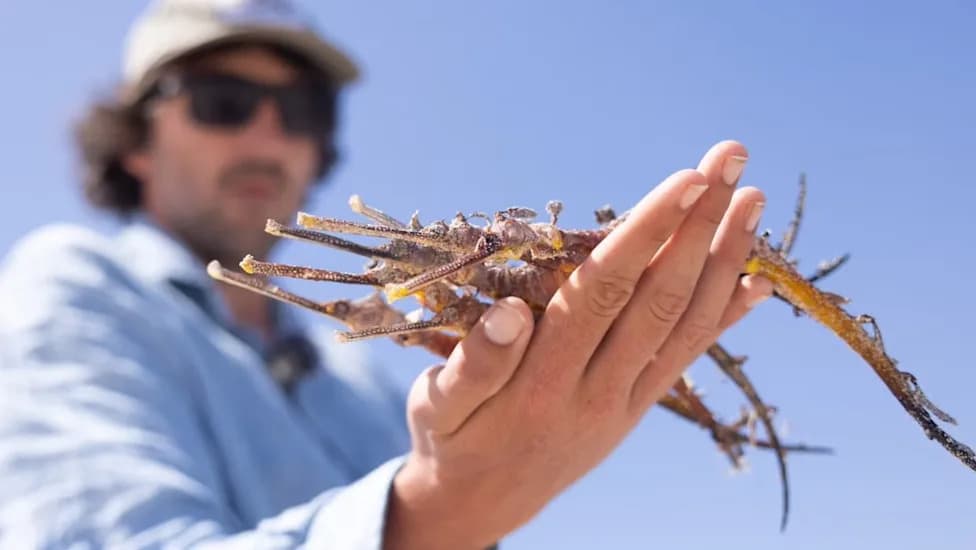
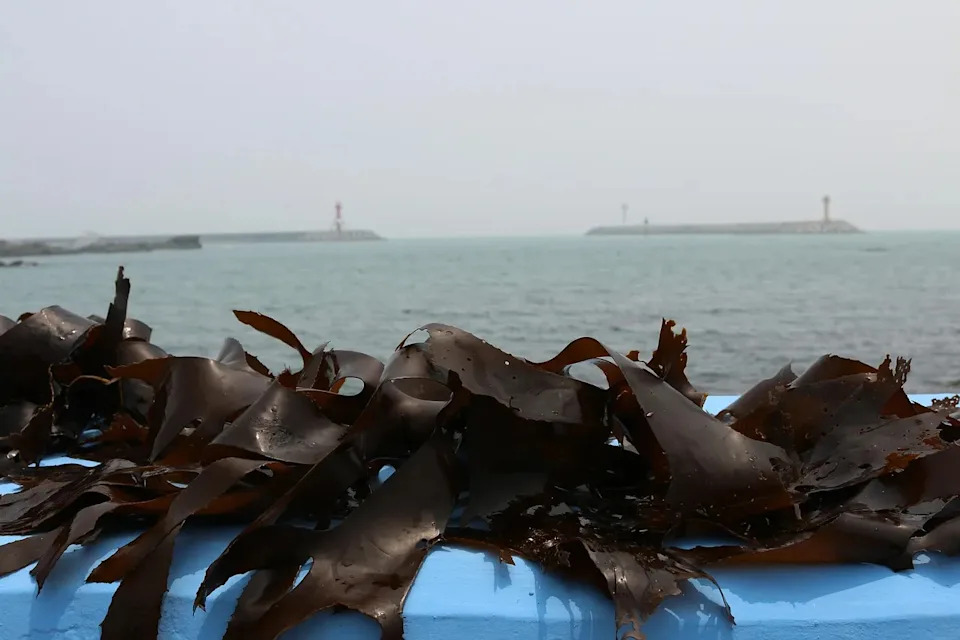
Community groups, volunteers, scientists, and fisheries have mobilized a range of responses: removing purple urchins by the millions, cultivating kelp in labs and nurseries for out-planting, harvesting larger urchins for seafood markets, and rearing sunflower sea stars for potential reintroduction. To date, volunteers and organizations have removed about 5.8 million purple urchins from California waters, enabling kelp to rebound locally.
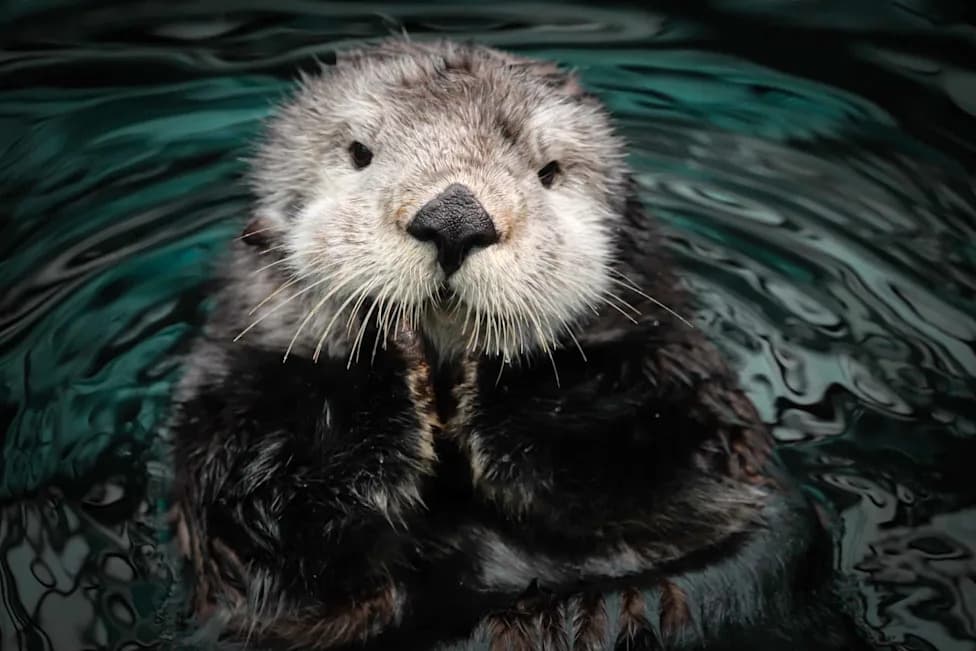
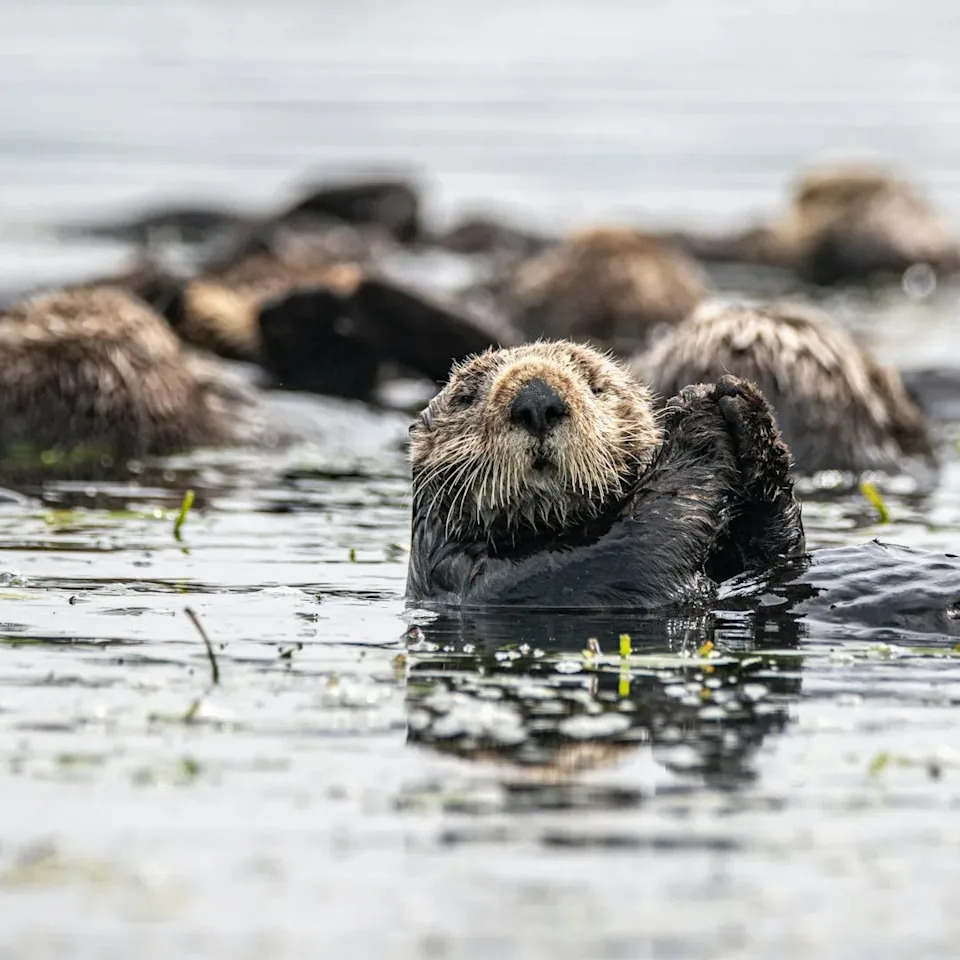
Research also highlights the role of predators in resilience: recovery of sea otter populations historically helped strengthen kelp forests in parts of California. Protected areas can aid recovery, but satellite comparisons of 54 marine protected areas (1984–2022) show protection effects vary by location; only about 4% of giant kelp is currently both present and within marine reserves, suggesting a need to expand protections.
Challenges Ahead
Restoration at scale is costly and technically difficult. The primary ongoing threats are warming oceans driven by climate change and elevated herbivore abundance. Other pressures — overfishing, pollution, coastal development, invasive species, and altered nutrient cycles — further reduce resilience.
Conclusion: What Needs To Be Done
Kelp forests have persisted for millennia, but the current combination of stressors is unprecedented. The science identifies tools that can help: predator recovery, targeted removal or commercial use of urchins, kelp cultivation and out-planting, expanded and better-sited marine reserves, and large-scale climate action to limit ocean warming. Coordinated investments, community engagement, and sustained monitoring will determine whether these underwater forests recover or become an ecological memory.
These forests didn’t disappear through neglect alone — they can’t come back through neglect either. Immediate and sustained action can still save significant areas and restore much of their value to ecosystems and coastal communities.
AI Disclaimer: This article was produced with assistance from AI tools and reviewed by a human editor.
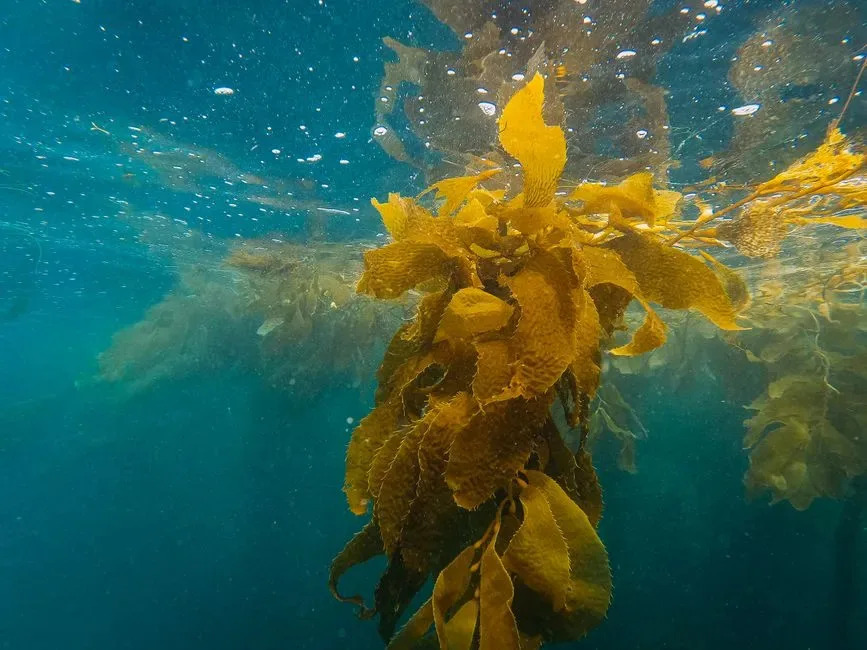
What Kelp Forests Actually Are (Image Credits: Pexels)
The Scale of the Collapse (Image Credits: Pexels)
The Perfect Storm: Heat, Disease, and Urchins (eviltomthai, Flickr,CC BY 2.0)
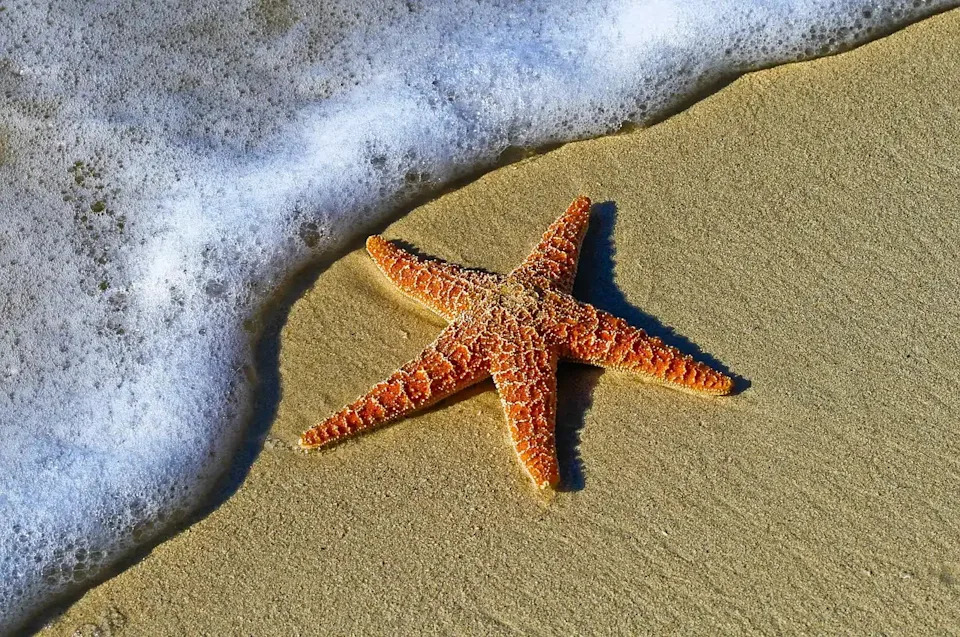
The Sea Stars That Could Have Saved Everything (Image Credits: Pixabay)
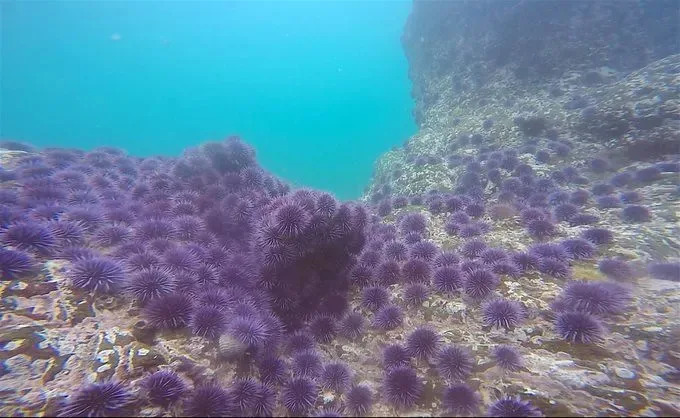
What Urchin Barrens Actually Look Like (California Sea Grant, Flickr,CC BY 2.0)
The Economic Damage Is Enormous (John William Hammond, Flickr,CC BY-SA 2.0)
A Global Problem, Not Just a California One (California Sea Grant, Flickr,CC BY 2.0)
The Role of Sea Otters in Recovery (Image Credits: Unsplash)
Restoration Efforts and What’s Actually Working (Image Credits: Pixabay)
What the Science Tells Us About the Road Ahead (By Tewy,CC BY 2.5)
Why Saving Kelp Forests Matters to All of Us (Image Credits: Unsplash)
Help us improve.