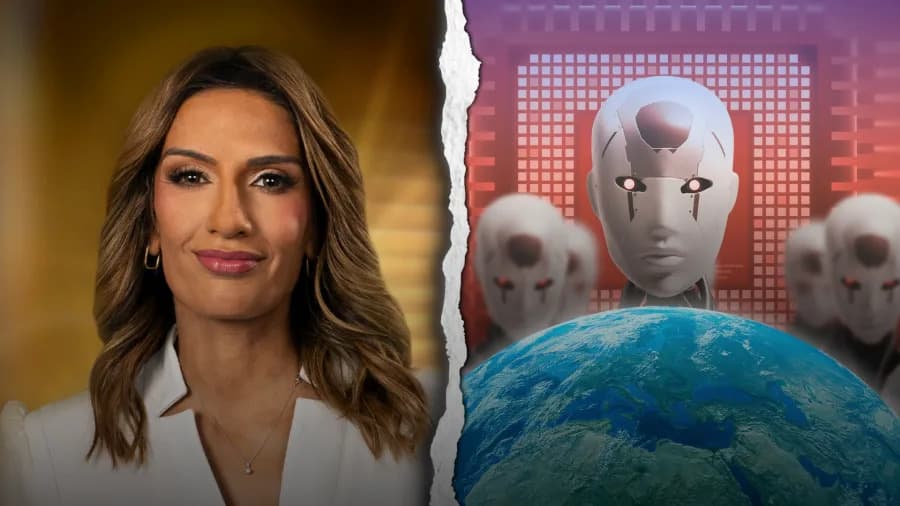
Biosecurity experts, tech executives and national security advocates warn that AI has advanced enough to design biological molecules and aid complex lab tasks, sparking concerns about potential misuse. Leaders at Microsoft, OpenAI and Anthropic are urging Congress to mandate screening of synthetic DNA and RNA orders. Proposed legislation like the Biosecurity Modernization and Innovation Act of 2026 would require vendors to vet customers and keep records. Experts stress that oversight at DNA synthesis companies is a critical checkpoint, since physical production still needs specialized resources.
Tech Leaders Warn AI Is Making Bioweapon Design Easier — Calls Grow For Mandatory DNA Screening
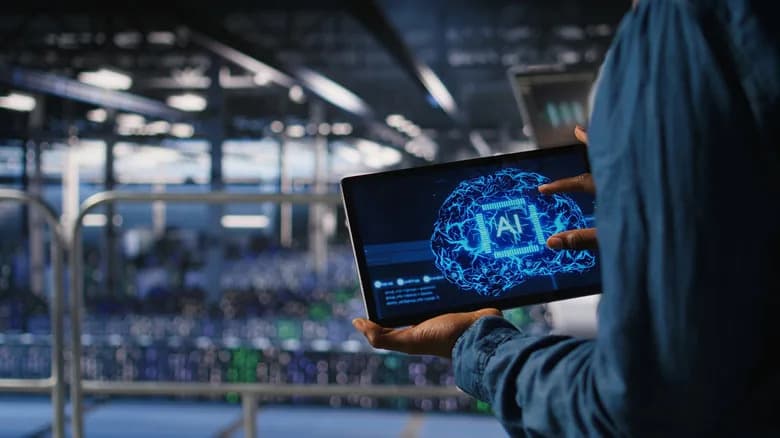
Man using AI in room full of servers - DC Studio/Shutterstock
Teachers worry about students using AI to cheat, and publishers fret about authors leaning on algorithms — but biosecurity experts face a far more serious concern: AI’s growing ability to design biological molecules and assist complex lab work. Major technology firms, leading scientists and national security advocates are increasingly united in calling for government action.
Why Experts Are Alarmed
Advanced artificial intelligence systems can already help design proteins, forecast viral evolution and generate novel molecular structures. That capability has prompted executives at Microsoft, OpenAI and Anthropic, among others, to urge Congress to require mandatory screening of synthetic DNA and RNA orders to prevent misuse.
Proposed Regulation
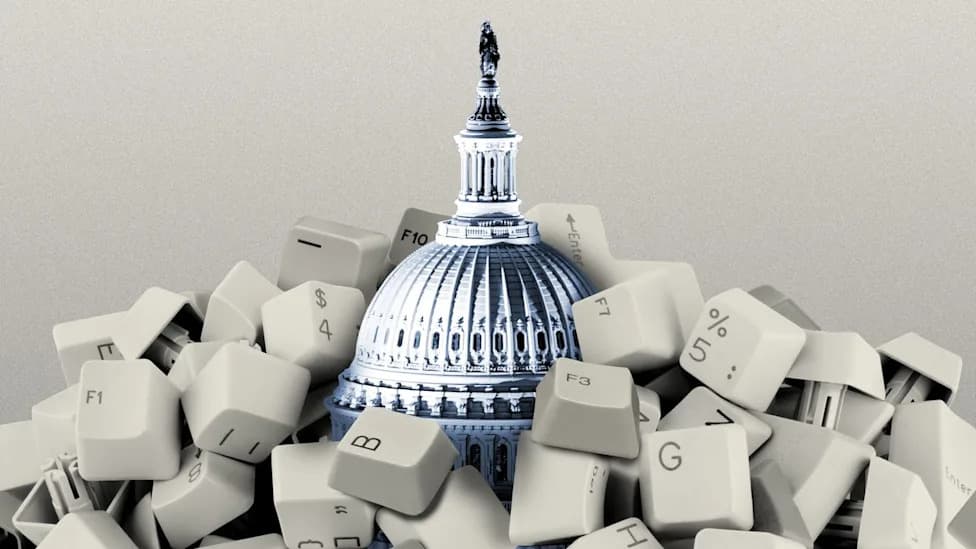
Currently, screening programs run by some synthetic biology companies are largely voluntary. Lawmakers and advocates argue these checks should be mandatory nationwide before AI tools become more powerful. One related legislative effort, the Biosecurity Modernization and Innovation Act of 2026, would require sellers of synthetic genetic materials to screen customers and orders and retain records to aid future investigations if the bill is enacted.
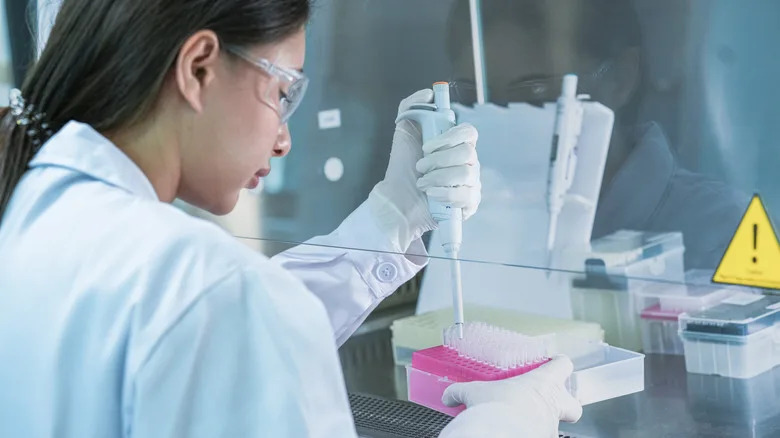
Molecular biologist at work - ultramansk/Shutterstock
Where Safeguards Matter Most
Experts emphasize that designing a harmful organism on a computer is only the first step. Manufacturing, testing and deploying biological agents still typically require specialized equipment, technical expertise and resources that are not widely accessible. For that reason, many specialists recommend focusing oversight where digital designs become physical products — namely, at DNA synthesis companies — while also considering appropriate controls for software development.
Debate And Next Steps
Not everyone agrees on how quickly the risk is escalating or which policy responses are optimal. Proponents of stronger rules point to studies suggesting advanced language models can already help users perform specialized biological tasks at levels approaching experienced researchers. Critics caution against overregulation that could slow beneficial research. The common ground, however, is urgency: industry, researchers and policymakers need to collaborate quickly to reduce the risk of amateurs combining AI with biological threats.
Note: This article summarizes reporting on biosecurity concerns related to AI and legislative proposals; it does not provide operational details about biological agents. Originally reported by SlashGear.
Help us improve.