Host Hena Doba and data scientist Rumman Chowdhury discuss the rapid rise of AI, what gives these systems power, and where they can be most useful. The conversation weighs AI’s potential to accelerate scientific discovery against serious risks — including reports that machine learning has been used to help design novel viruses. They highlight gaps in governance and cite Dario Amodei’s warning that development may need to slow so safety can catch up.
AI’s Promise and Peril: How Powerful Systems Could Transform Science — and Create New Risks

Host Hena Doba speaks with data scientist Rumman Chowdhury about the rapid expansion of artificial intelligence, exploring both its extraordinary capabilities and the hard questions those capabilities raise.
The conversation looks at what makes modern AI systems so powerful — including scale, massive datasets, and new model architectures that produce emergent behaviors — and where these systems can be most useful, from accelerating scientific discovery to improving decision support in industry and government.
Promise: Faster Discovery and Practical Benefits
AI is unlocking new possibilities in research and applied fields. Chowdhury and Doba discuss examples where machine learning speeds hypothesis generation, automates tedious tasks, and helps analyze complex datasets. When responsibly deployed, these tools can increase productivity, expand access to services, and enable discoveries that were previously out of reach.
Peril: Dual-Use Risks and Biosecurity Concerns
They also examine the more worrying side: reports that researchers have used machine learning to assist in designing novel viruses underline a classic dual-use dilemma — the same techniques that accelerate beneficial research can also lower barriers for dangerous applications. The guests emphasize that limited oversight, insufficient safety practices, and easy access to powerful models could amplify biosecurity risks.
Governance, Pace, and Precaution
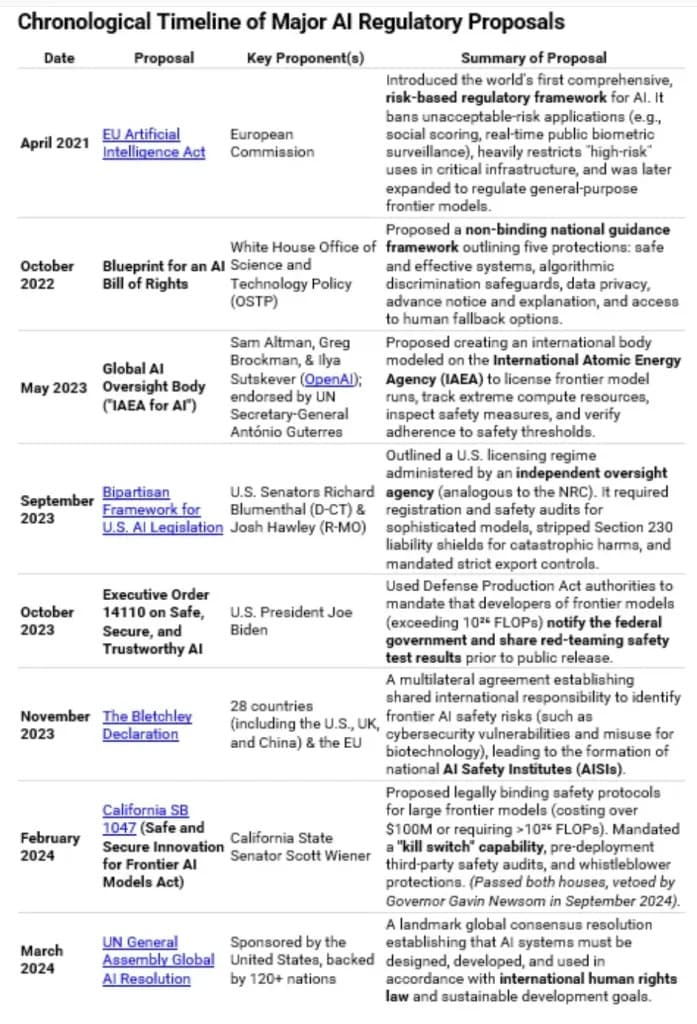
Keeping safeguards and regulation ahead of rapid technological change remains a major challenge. The conversation questions whether developers, regulators and governments are coordinating and moving quickly enough to anticipate threats. They point to gaps in governance, uneven international standards, and lagging regulatory capacity as key issues.
Dario Amodei has warned that AI development may need to slow so safety systems can catch up — a perspective the discussion treats as an urgent call for balanced, precautionary action.
The guests call for stronger multi-stakeholder efforts: clearer safety criteria, transparency from developers, investment in biosecurity research, and international cooperation to prevent misuse while preserving beneficial innovation.
Where We Go From Here
AI’s rapid advance creates a narrow window to shape norms, standards and oversight. Thoughtful policies, collaborative research on risks, and responsible developer practices can help capture AI’s promise while limiting its perils.
Copyright 2026 Nexstar Media, Inc. All rights reserved.
Help us improve.