NPPD has shortlisted four Nebraska communities — Beatrice, Sutherland, Norfolk and Brownville — as potential sites for a new nuclear plant, and many local leaders report openness rather than the opposition that has accompanied wind and solar projects. NPPD received more than $27 million in cost-shared DOE funding to pursue federal siting and licensing work, and officials are evaluating advanced designs such as SMRs. Proponents highlight nuclear’s low emissions, reliable output and small land footprint, but experts warn that historic cost overruns and delays — and the unproven commercial track record of new designs — pose significant financial risks.
Nebraska Weighs New Nuclear Sites: Local Openness, Big Promises and Big Risks
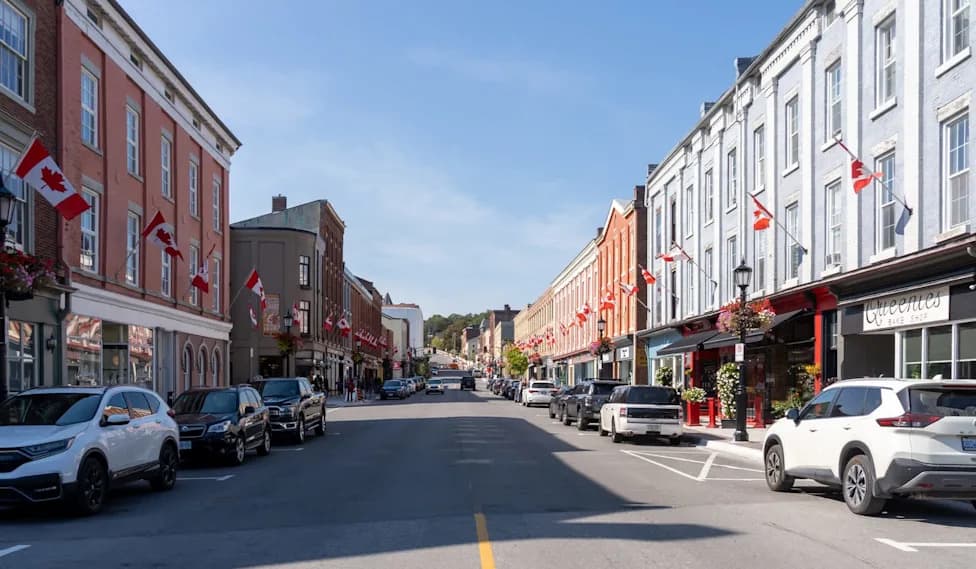
Applause echoed through the Gage County courthouse in September 2020 when the county board approved stricter wind-energy rules. Six years later, a very different energy debate is emerging: the Nebraska Public Power District (NPPD) has shortlisted four potential sites for a new nuclear plant — Beatrice, Sutherland, Norfolk and Brownville — and local reaction so far has been notably receptive.
Local Reaction: From Wind Fights to Nuclear Curiosity
Many community leaders and residents who resisted wind and solar projects are taking a different view of nuclear. Cortland-area resident Larry Allder, a prominent opponent of wind development, said he now supports nuclear. "I think that’s a great idea. I like nuclear energy," Allder told The Voice News. "I think it’s the way of the future."
Officials in the four towns on NPPD’s list reported broad openness. "I think the general consensus is still that we’re supportive of nuclear energy," Madison County Commissioner Troy Uhlir said, noting some opposition but not the level of pushback seen over renewables. Beatrice Mayor Bob Morgan described his community as "enthusiastic," while Sutherland village board chairman Scott Meyer said a few residents have safety questions that can be addressed through outreach.
Why Nuclear May Face Less Local Backlash
Supporters point to nuclear’s ability to generate large, steady amounts of electricity without direct greenhouse-gas emissions and with a relatively small land footprint compared with sprawling solar or distributed wind installations. That combination — reliability, low emissions and compact siting — helps explain why some communities that rejected wind or solar are more receptive to nuclear.
Technology, Timeline and Federal Support
NPPD is exploring advanced reactor designs, including small modular reactors (SMRs), which proponents say could be cheaper, faster to deploy and more flexible in operation than traditional large reactors. Former Nuclear Regulatory Commission senior executive Joseph Giitter noted SMRs are designed to ramp power output up or down to complement variable renewables.
NPPD recently received more than $27 million in cost-shared funding from the U.S. Department of Energy to support a federal siting and licensing application; NPPD says that covers less than half of the expected application costs. Officials caution Nebraska is likely a decade away from seeing a new plant, making early siting work important. "When nuclear takes off, it’s going to take off quick. So we want to be ready to be in that first set of fast follower orders," NPPD CEO Tom Kent told Grist.
Financial Risks and Historical Lessons
While advanced designs promise to address long-standing problems — high capital costs, lengthy construction and safety concerns — risks remain. The twin new reactors at Plant Vogtle in Georgia, for example, only began producing power in 2023 and 2024 after roughly 15 years and more than $30 billion in costs, fueling rate increases and public backlash. Southern Company executives point to extraordinary challenges in that project, including supply-chain constraints, workforce shortages, pandemic disruptions and contractor failures.
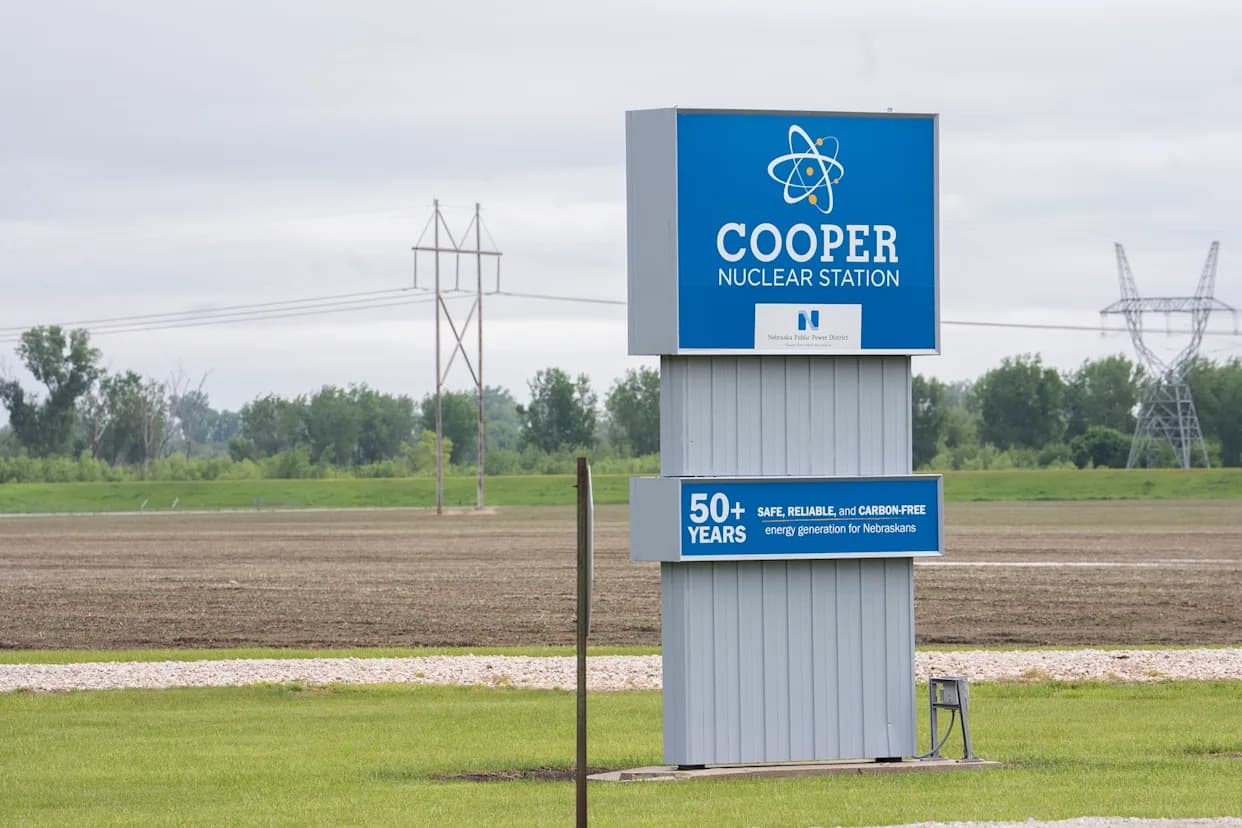
Edward Kee, CEO of Nuclear Economics Consulting Group, emphasized that U.S. nuclear projects have a history of delays and budget overruns, making them risky for utilities and ratepayers. Historic Nebraska projects provide perspective: Cooper Nuclear Station (opened 1974) cost about $313 million then — roughly $2.1 billion in today’s dollars — while the now-retired Fort Calhoun Station cost about $165 million in the early 1970s (~$1.2 billion today). Since 2010, at least 11 planned commercial reactors in the U.S. have been canceled, according to the Nuclear Regulatory Commission.
What Comes Next
NPPD is weighing both small modular and large-scale reactor designs as it advances site assessments and federal permitting. Community engagement, transparent cost estimates and careful planning will determine whether Nebraska becomes a testbed for advanced nuclear or a cautionary example of the sector’s financial pitfalls.
Bottom line: Nebraska communities appear more open to hosting nuclear than they were to wind and solar, but technological promise must be weighed against proven financial and schedule risks.
Help us improve.