Italy’s Senate has approved legislation to restart nuclear power after nearly 40 years. The government will draft an executive decree within 12 months covering licensing, safety, waste management and site selection, and is prioritising small modular reactors (SMRs) and modern designs. The shift is driven by soaring electricity prices, heavy reliance on fossil-fuel imports and geopolitical supply shocks, though public opinion and the lack of a permanent waste repository remain major challenges.
Italy Reverses Course: Senate Approves Plan To Restart Nuclear Power After Nearly 40 Years
Italy Returns to Nuclear After 40-Year Hiatus
Italy’s Senate has approved a government plan to reintroduce nuclear power after almost four decades away from the technology, marking a major policy shift motivated by energy security, rising costs and decarbonisation goals.
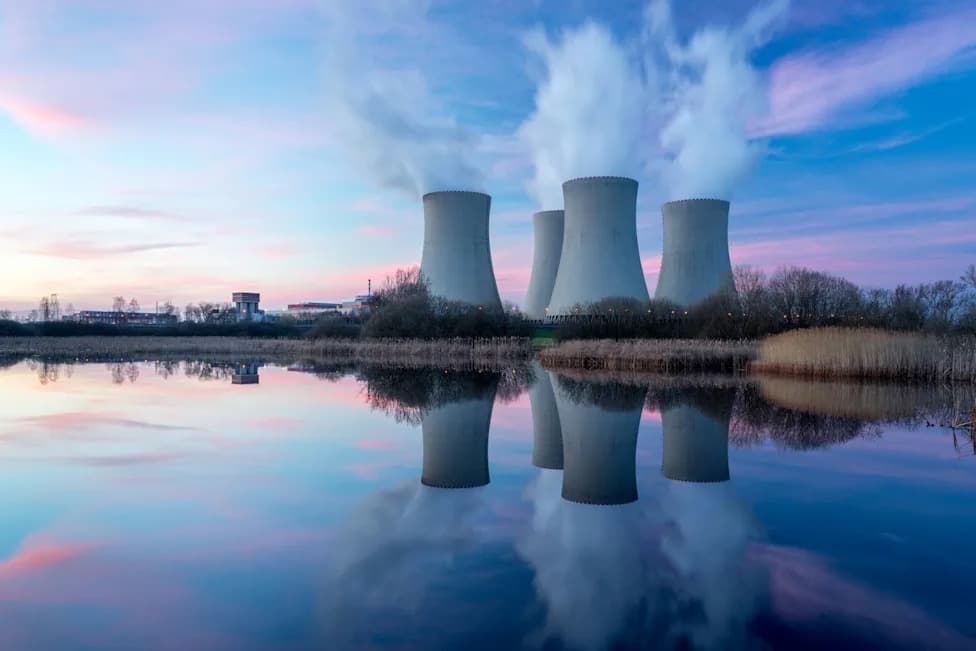
The law gives the government up to 12 months to draft an executive decree that will define rules for reactor licensing and safety standards, radioactive-waste management, and criteria for site selection. Rather than reviving large legacy plants, Rome is prioritising advanced designs such as small modular reactors (SMRs) and other modern technologies that proponents say can be safer, more flexible and faster to build.
Historical Context
Italy once operated four commercial reactors but voted to phase out nuclear power in a 1987 referendum held after the Chernobyl disaster; the final reactor closed in 1990. Public opposition strengthened again after Japan’s 2011 Fukushima accident, when a referendum found more than 90% of participating Italians opposed to nuclear plants.
Why The Shift Now?
Policymakers and analysts cite several drivers behind the reversal: geopolitical shocks such as the wars in Ukraine and the Middle East have disrupted energy supplies, domestic electricity prices have surged (about an 80% increase in the past year), and Italy’s heavy reliance on imported fuels—natural gas and petroleum together account for roughly 80% of its total energy mix—has exposed vulnerabilities.
More than 90% of Italy’s total energy needs are imported, including electricity generated by nuclear plants in neighbouring France. The government of Prime Minister Giorgia Meloni frames the move as a way to shield the economy from price shocks, strengthen energy independence and help decarbonise industry as demand for electricity rises with electrification and AI-driven data centres.
Public Opinion And Practical Challenges
Public sentiment remains divided. A June poll cited by Reuters showed 51% backing the idea of restarting nuclear generation in principle, while a majority said they would oppose a plant being built near their homes. Practical obstacles include the absence of a permanent national repository for radioactive waste from Italy’s earlier nuclear programme; legacy waste continues to be stored at temporary sites across the country.
European Context
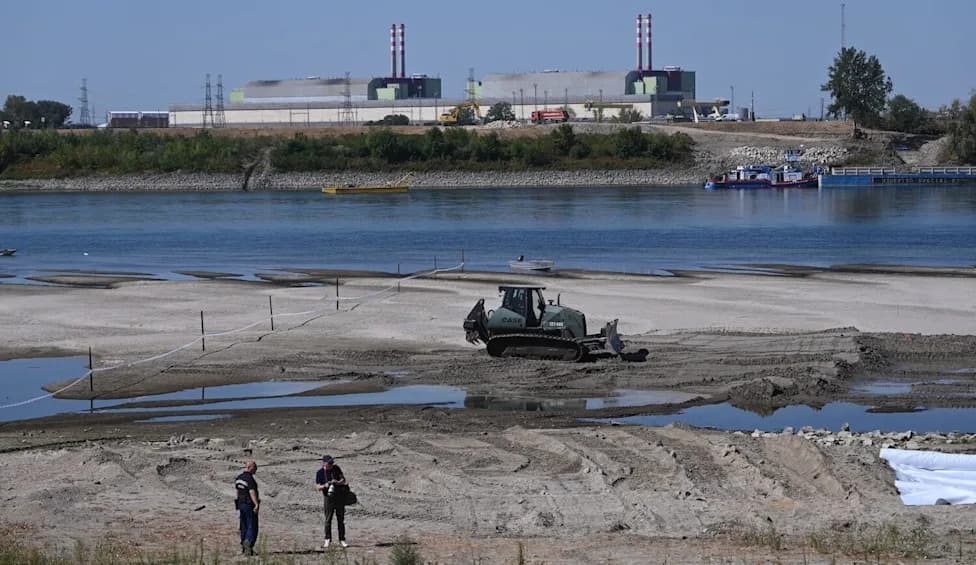
Across Europe, governments are investing in new reactors, life extensions and SMRs to boost energy independence and meet climate targets. France remains the continent’s nuclear leader and is building new EPR2 reactors while investing in smaller technologies. Other notable projects include Hungary’s Paks II expansion, Slovakia’s Mochovce 4 commissioning, Czech investments at Dukovany and Temelín, Romania’s Cernavodă upgrades and broader plans in Poland, the Netherlands, Sweden and Belgium.
What’s Next: Over the coming year, Italy will draft technical and regulatory frameworks that will determine whether SMRs or other advanced reactors can be sited, licensed and safely operated on Italian soil. The outcome will shape the country’s energy trajectory for decades.
By Andrew Topf for Oilprice.com. Reporting sources include Reuters, India Today and regional press coverage.
Help us improve.