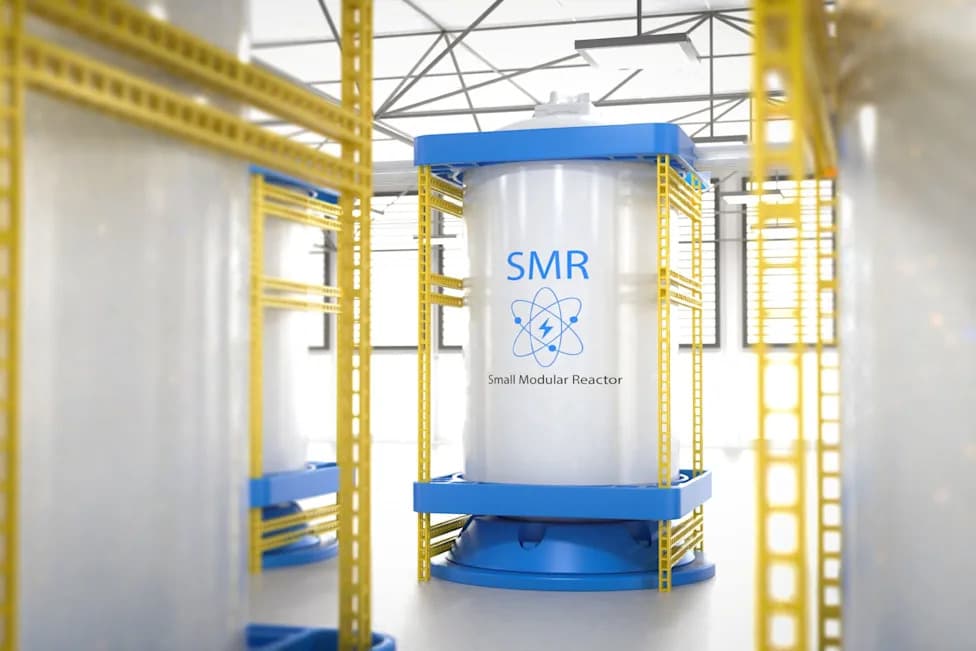
The Department of Defense plans to deploy an advanced microreactor at Naval Weapons Station Crane, marking the Navy’s first shore-based reactor and Indiana’s first electricity-generating nuclear unit. The Army is leading the program, with the reactor sited at Crane but owned and operated by a private company. Officials stress improved resilience for critical base functions if the civilian grid fails, while critics warn of waste, safety, security and cost challenges. Deployment is targeted for September 2028, pending regulatory review.
Navy To Install First Shore-Based Microreactor At Indiana’s Naval Weapons Station Crane, Targeting Sept. 2028
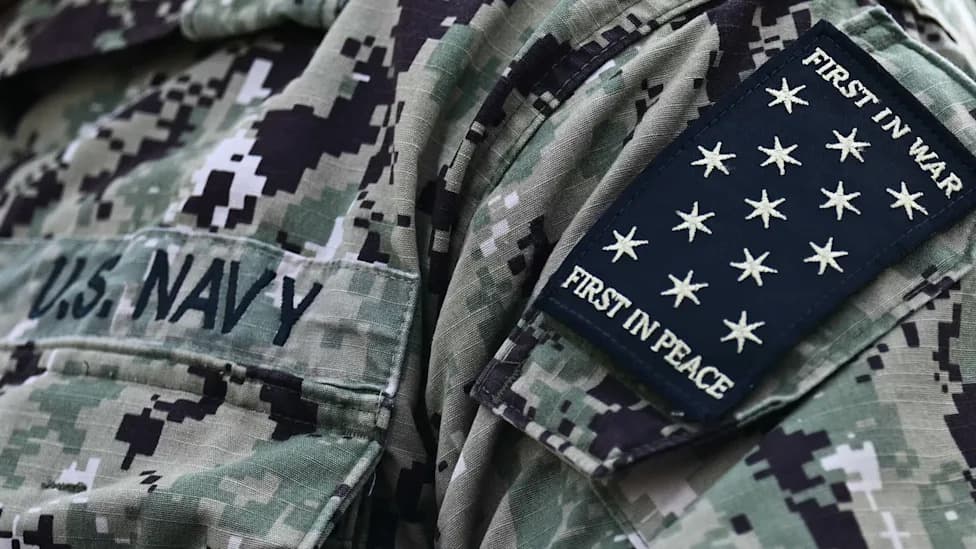
Photo Credit: Getty Images
The U.S. Department of Defense plans to deploy an advanced nuclear microreactor at Naval Weapons Station Crane in Indiana. Officials say this would be the Navy’s first shore-based reactor and the first nuclear reactor used to generate electricity in Indiana, with a targeted deployment date of September 2028.
What the Project Involves
Under the current plan, the microreactor would be sited at NWS Crane but owned and operated by a private company. The Army is leading the overall program while the Navy has set operational requirements for the Crane site. A Pentagon innovation unit is coordinating links with commercial nuclear technology, and the Office of the Assistant Secretary of Defense for Critical Technologies is helping align participating organizations.
Why the Navy Is Pursuing a Microreactor
Officials say the primary goal is resilience: a microreactor can keep essential base operations running if the civilian electrical grid becomes unavailable or is compromised. "We are unleashing the American nuclear industrial base to ensure our military installations possess the resilient infrastructure required to maintain uninterrupted operations," said the Under Secretary of Defense for Research and Engineering, as quoted in reporting on the project.
How Microreactors Work
Microreactors are much smaller than conventional commercial nuclear plants but can deliver continuous, on-site electricity for critical loads. Proponents highlight their compact footprint, rapid deployment potential, and low direct greenhouse-gas emissions compared with fossil-fuel backup generators.
Concerns, Oversight and Next Steps
The initiative has attracted scrutiny. Critics point to questions about radioactive waste management, safety and security risks, regulatory complexity, and high upfront costs. There are also broader concerns about handling materials that could raise proliferation or safeguards issues.
Federal, state and local officials — along with regulators — will continue to review environmental, safety, security and siting requirements before any deployment. Government leaders say the Crane microreactor could serve as a model for future national-security-focused nuclear deployments if it meets performance and safety expectations.
Context: A Wider Push For Advanced Nuclear
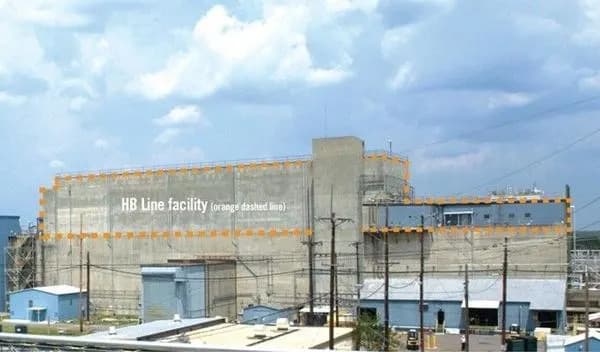
The Crane microreactor is one element of a broader U.S. push to expand advanced nuclear options. Other developments include large-scale projects such as new units at Plant Vogtle in Georgia, research into next-generation technologies like molten-salt reactors, and analyses proposing repurposing some coal-plant sites for nuclear development.
Timeline: Deployment targeted for September 2028, pending regulatory approvals and completion of safety, environmental and installation requirements.
Help us improve.