The kākāpō, a flightless, mossy-green parrot from New Zealand, has been spotlighted by National Geographic as new chicks hatch this breeding season. Intensive conservation efforts have helped the species make an "extraordinary comeback," but managers now face the challenge of reducing hands-on intervention and allowing self-sustaining populations to emerge. The kākāpō recovery offers practical lessons for protecting other vulnerable species and rebuilding resilient ecosystems.
Kākāpō Comeback: New Chicks Give Hope — Now the Hard Work of Letting Go Begins
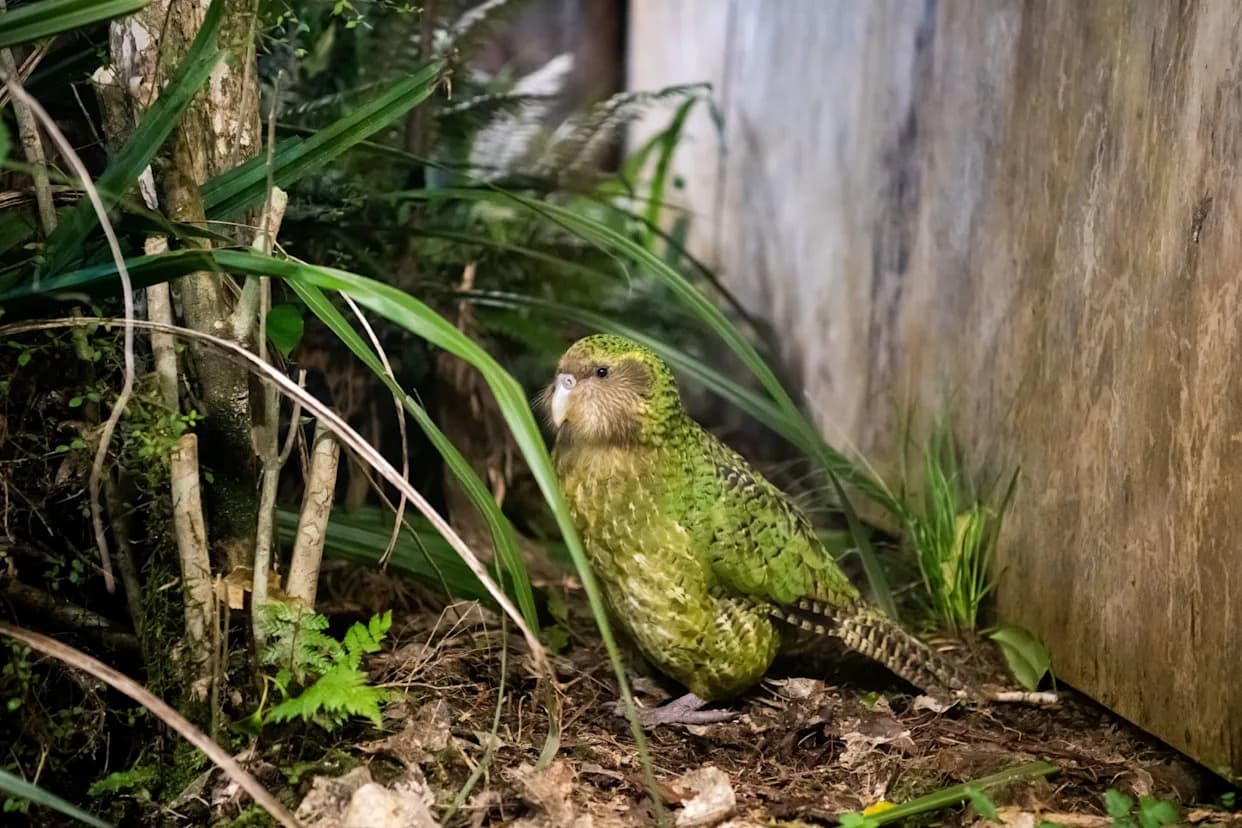
Photo Credit: iStock
One of the world's most distinctive birds, the kākāpō — a stocky, flightless parrot with mossy-green plumage and an unusual sweet scent — is enjoying renewed attention after National Geographic highlighted the species in an Instagram carousel as new chicks hatch during the current breeding season.
The caption notes that the kākāpō in New Zealand "has made an extraordinary comeback in recent decades," and the post frames this season as a turning point. Close-up portraits credited to the New Zealand Department of Conservation give viewers a detailed look at the birds and underline the progress conservation teams have made.
From Emergency Rescue to Thoughtful Withdrawal
For decades the kākāpō was one of the world's most intensively managed species: intensive monitoring, supplementary feeding, veterinary care and predator-free island sanctuaries helped avert extinction. Now, New Zealand conservationists are beginning to "step back" and ask a harder question: can the kākāpō eventually survive and reproduce with less direct human intervention?
"Can the kākāpō regain its independence and fend for itself?" — paraphrase of the National Geographic caption
This is more than a semantic shift. Saving individuals from immediate extinction is only the first milestone; the ultimate goal is to restore self-sustaining populations and resilient ecosystems that require routine, rather than emergency-level, human involvement. That transition demands careful planning: habitat restoration, predator control at a landscape scale, genetic management, and robust monitoring systems that scale down gradually.
What This Recovery Teaches Us
The kākāpō story shows that extinction is not inevitably permanent. When governments, researchers and dedicated conservation teams commit to long-term recovery programs, species that once teetered on the brink can rebound. The approaches used for the kākāpō — from intensive hands-on care to sophisticated monitoring and habitat work — offer practical lessons for protecting other vulnerable species before they hit crisis point.
Public reaction has been warm and curious. One commenter wrote, "The way these beautiful birds have fought their way back from the brink of extinction is nothing short of a miracle. Hats off to all the conservationists working behind the scenes!" Another added, "Hope these parrots continue to thrive," while a third quipped, "Imma need you to elaborate on 'sweet-smelling.'"
As the population shows signs of renewal, conservationists face the complex next phase: carefully scaling back emergency interventions while ensuring that kākāpō and their habitats can survive and flourish with lower-intensity, sustainable management.
Help us improve.