The black robin (karure) has been named New Zealand’s Bird of the Year after a high-profile recovery effort. In 1980 only five birds remained — with a single fertile female, Old Blue — but intensive conservation has helped the population grow to about 350 adults on two pest-free reserve islands by 2025. Reserves managed by the Department of Conservation are nearing capacity, so conservationists plan a third population on Pitt Island to reduce risk. Organisers say the award raises awareness of wider threats facing New Zealand’s native birds.
‘Goth’ Black Robin Crowned New Zealand’s Bird Of The Year After Dramatic Comeback From Just Five Birds
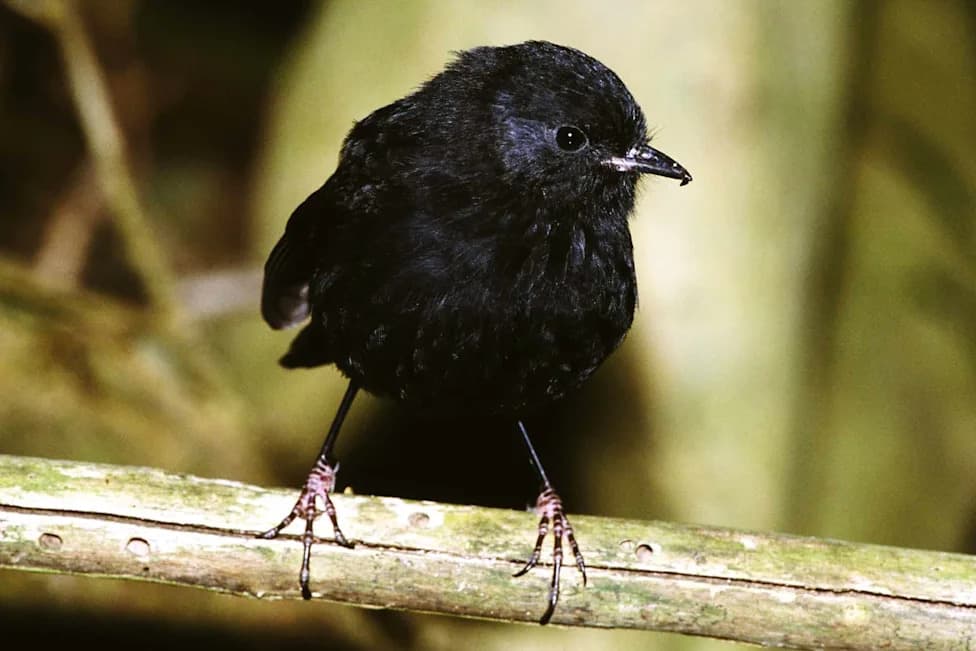
A black robin, or karure, is seen on New Zealand's Chatham Islands.Credit: Getty
A tiny, dark-plumaged bird that once teetered on the brink of extinction has been named New Zealand’s Bird of the Year, recognizing a conservation success story decades in the making. On Sept. 21, Forest & Bird — an independent New Zealand conservation organisation — announced that the black robin (karure), native to the remote Chatham Islands, won the public vote after weeks of campaigning.
From Five Individuals To Hundreds
In 1980 only five black robins remained, and just one of them was a fertile female — the famous bird known as Old Blue, paired with a male called Old Yellow
. Conservationists, local communities and wildlife managers mounted intensive efforts to stabilise and grow the population. As of 2025, about 350 adult black robins were recorded on two pest-free nature reserve islands managed by New Zealand’s Department of Conservation.
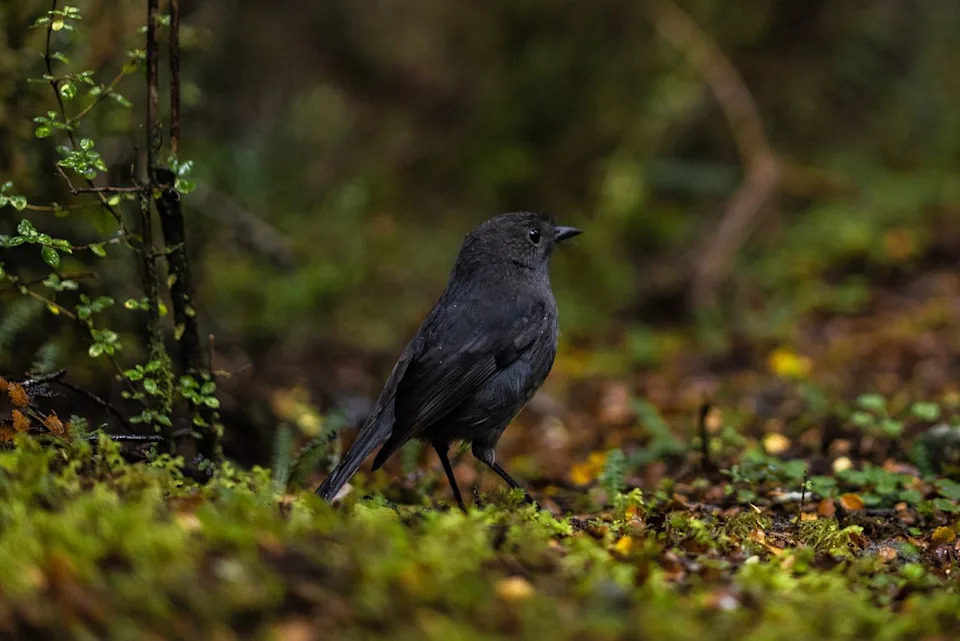 A black robin is seen in New Zealand.Credit: Shutterstock / Inne Wagemans
How The Recovery Worked
The species’ recovery required persistent, hands-on conservation: careful monitoring, habitat protection, predator control on the sanctuaries, and managed translocations to create secure populations. While the black robin’s status has improved from its lowest point, it remains classed as critically threatened and still depends on ongoing protection.
“Thank you, Aotearoa! Karure are critically threatened, with just 350 birds, and there's a lot of mahi to do to make sure their population can continue to grow,” wrote the Chatham Islands Landscape Restoration Trust after the election results.
Ongoing Challenges And Next Steps
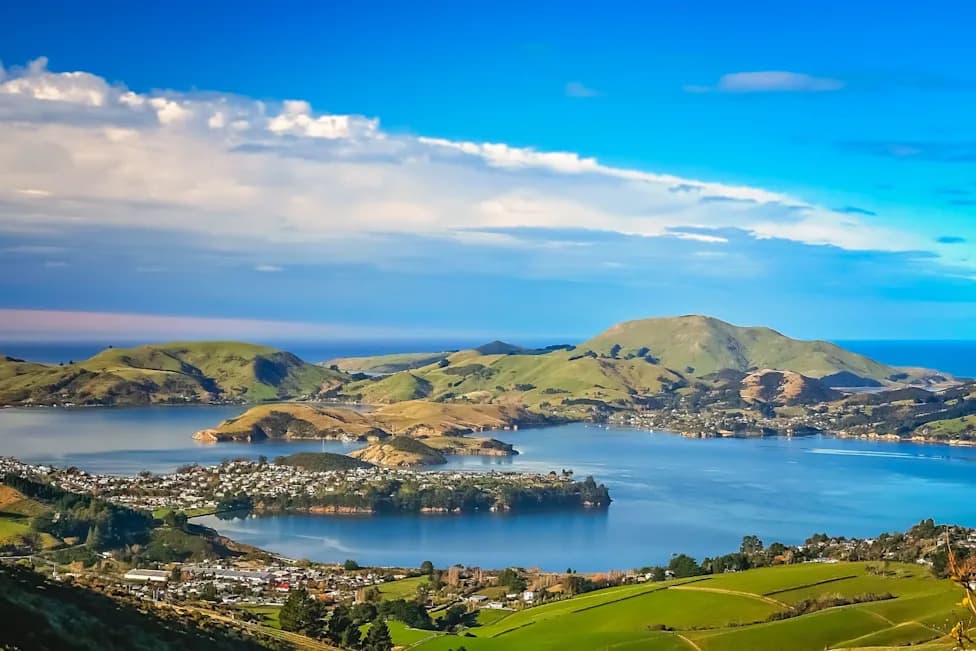
Both reserve islands are approaching the number of birds they can comfortably sustain. Black robins need healthy canopy for shelter, abundant invertebrates for food, and protection from introduced predators such as feral cats, rats and possums. Conservationists are now working to establish a third, separate population — plans include reintroducing birds to Pitt Island to spread risk and increase long-term resilience.
- Habitat limits: The reserves are nearing carrying capacity for the species.
- Predator-free sanctuaries: Continued predator control and biosecurity are essential.
- Public awareness: The Bird of the Year campaign helps highlight threats facing many native species.
The Bird of the Year competition is intended to raise awareness of New Zealand’s native wildlife and the threats it faces. Rebecca Hatch, a group manager with Forest & Bird, emphasised the broader message behind the lighthearted campaigning: “The jokes are funny and this year's meme game certainly didn't disappoint, but underneath it all there is a serious message — 80% of our manu are in some or serious trouble.” Eight of the top 10 finishers in the vote are considered to be in significant danger, underscoring why continued conservation action and public support remain vital.
Help us improve.