The Hawaiian goose, or nēnē, is being reintroduced to Molokaʻi through translocation after having disappeared from the island. The effort, reported by Hawaiʻi Public Radio and widely shared on Reddit, involves local partners such as Puʻu O Hōkū Ranch and has sparked community enthusiasm. Restoring island-by-island populations supports genetic diversity, cultural connections and broader ecosystem resilience. Continued habitat protection, predator control and long-term monitoring will be essential for lasting success.
Hope Flies Home: Nēnē Reintroduced to Molokaʻi in Island Restoration Effort
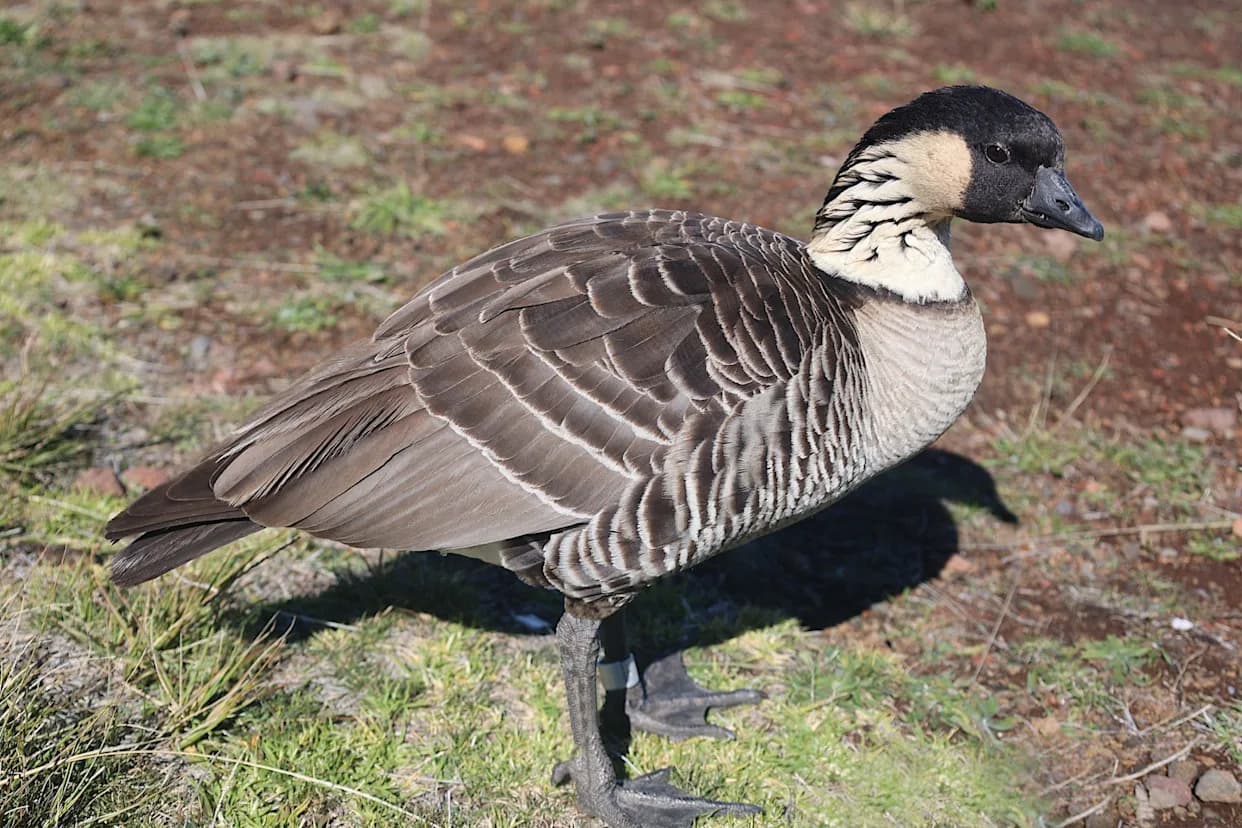
Photo Credit: iStock
Native birds are returning to Molokaʻi as conservationists reintroduce the nēnē, Hawaiʻi’s state bird, to an island where it had previously vanished. The project combines careful translocation, local partnerships and community support — a rare bright spot in coverage of endangered species.
What Happened
Conservation teams moved nēnē geese back to Molokaʻi to reestablish a breeding population after the species disappeared from the island. Hawaiʻi Public Radio reported on the effort, and a Reddit post sharing that report drew more than 100 upvotes within hours, signaling strong public interest.
How The Reintroduction Works
The initiative uses translocation: capturing healthy birds from established populations and releasing them where suitable habitat and protections are in place. Because the nēnē occurs naturally only in Hawaiʻi, restoring island-by-island populations is important for genetic diversity, ecological balance and cultural heritage.
“This is a restoration of a species that had completely disappeared,” said Lavinia Currier, owner of Puʻu O Hōkū Ranch, a key partner in the recovery effort.
Puʻu O Hōkū Ranch general manager Galen McCleary added that the crew and the broader community were energized by the reintroductions: “The crew here was super excited,” he said, noting local enthusiasm for the project.
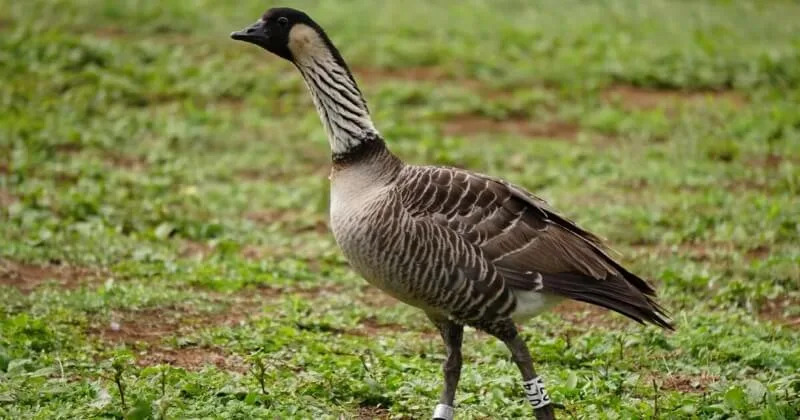
Photo Credit: Reddit
Why It Matters
Restoring the nēnē to Molokaʻi helps repair past ecological damage and strengthens cultural ties to place. Island-specific populations matter because they preserve local adaptations and help the species as a whole remain resilient against threats such as disease, predators and habitat loss.
Translocation success stories can also mobilize support for protecting habitat, funding ongoing monitoring, and investing in long-term conservation programs that benefit other native species and ecosystems.
Community Response And Next Steps
Early reaction online and in the community has been positive — one Reddit commenter even called the news the “Best thing on reddit today.” Conservationists stress that reintroduction is only the beginning: continued habitat management, predator control and long-term monitoring will be essential to ensure the nēnē thrive again on Molokaʻi.
What To Watch For: updates from Hawaiʻi Public Radio, progress reports from Puʻu O Hōkū Ranch and conservation partners, and published monitoring results that track survival, breeding success and population growth over the coming years.
Help us improve.