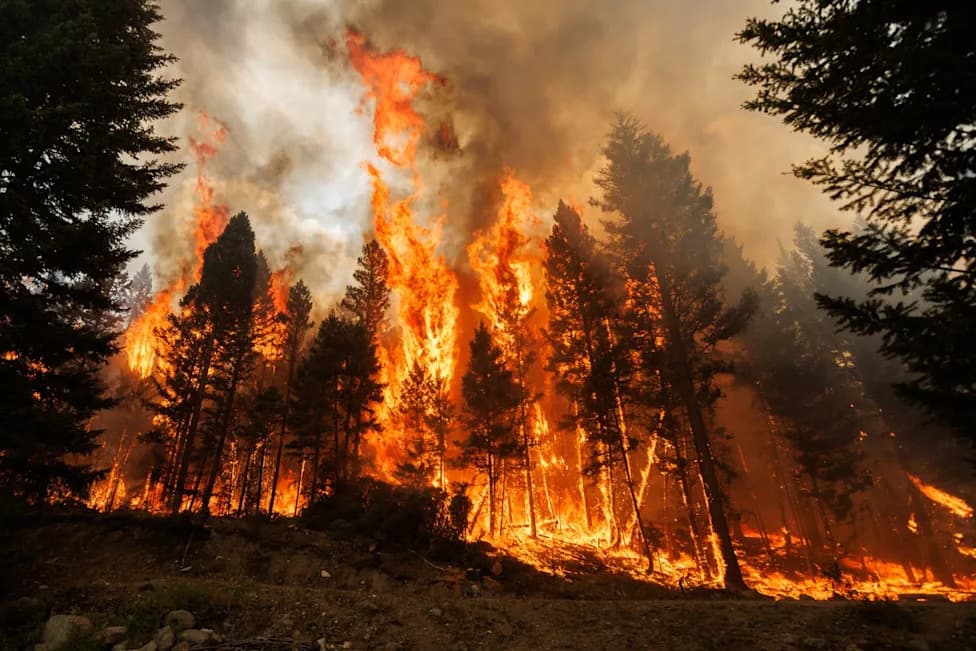
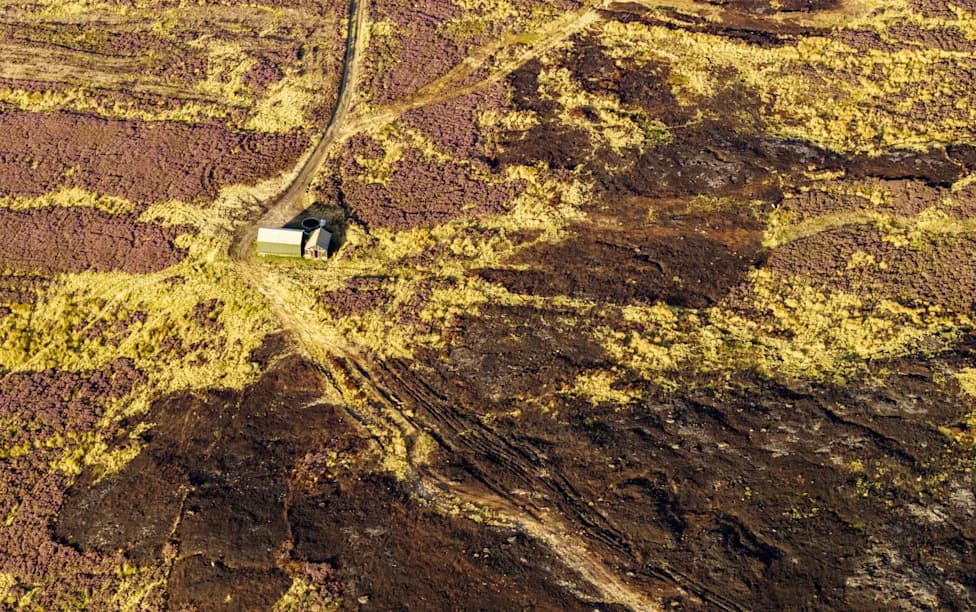
Prescribed burns—planned, low-intensity fires—reduce wildfire severity, cut net smoke pollution and deliver strong economic returns compared with suppression alone. Recent studies (2024–2025) find about a 16% drop in later wildfire severity and a 14% reduction in smoke, while fuel treatments can return roughly $3.73 for every federal dollar spent. Scaling these burns faces regulatory, staffing and public-health challenges, but evidence and Indigenous practice support wider use as a core wildfire-prevention strategy.
Why Prescribed Burns Are Our Best Defense Against Catastrophic Wildfires
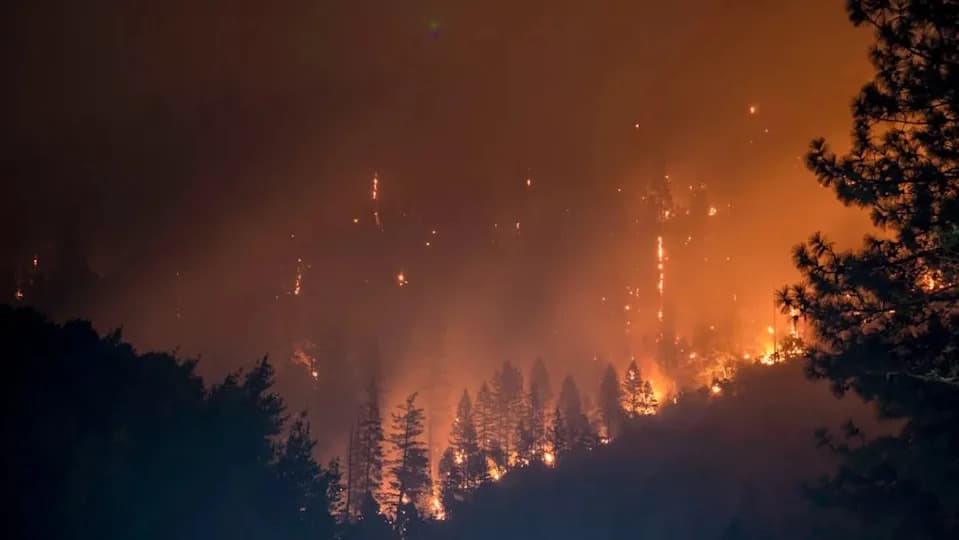
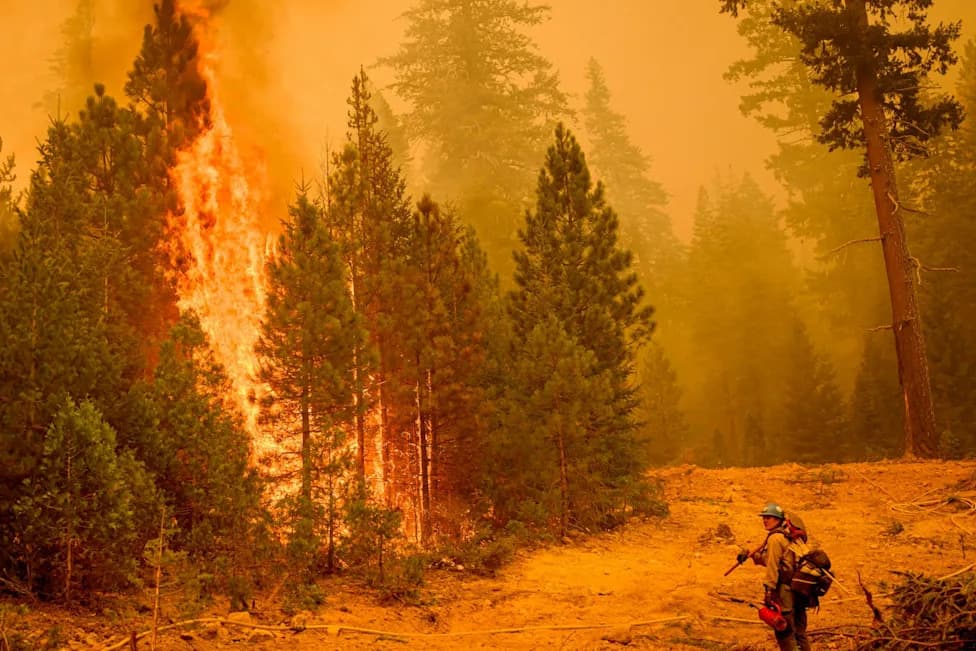
The Scale of the Problem We’re Trying to Solve (Image Credits: Unsplash)
Prescribed burns—carefully planned, low-intensity fires—are re-emerging as a practical, evidence-backed tool to reduce the intensity, smoke and societal costs of large wildfires. As the January 2025 Southern California fires showed, the damages from modern wildfire events can be staggering, and land managers are reconsidering an old practice with new science and policy support.
The Scale of the Problem
Preliminary AccuWeather estimates put the January 2025 Southern California losses at roughly $135–$150 billion. More broadly, researchers estimate that wildfires now impose annual costs across the United States of between $394 billion and $893 billion when property damage, health impacts from smoke, lost income, watershed damage and other factors are included. Fire suppression alone cost the U.S. Forest Service and the Department of the Interior about $2.9 billion per year over the last decade, and is projected to rise to roughly $3.9 billion by 2050 under a mid-range climate scenario.
What Prescribed Burns Do
Prescribed (controlled) burns are intentionally set, low-severity fires used to remove accumulated underbrush and surface fuels that otherwise act as kindling for high-intensity wildfires. Because managers choose the timing, weather window and scale of these burns, they can limit smoke exposure and reduce the chance that a future fire will climb into tree crowns and become an uncontrollable crown fire.
Evidence and Longevity
Recent peer-reviewed research provides quantifiable support for prescribed burning. A Stanford-led study (AGU Advances, June 2025) found that areas treated with prescribed fire experienced about a 16% reduction in subsequent wildfire severity and roughly 14% less net smoke pollution. The protective effect was larger outside the wildland-urban interface (about a 20% reduction) than inside it (about 8.5%).
Other studies published in Ecosphere and Fire Ecology (2024) and long-running experiments in Montana show that prescribed burns—and fuel treatments paired with thinning—can reduce burn severity even under extreme weather and low-fuel-moisture conditions. Some mitigating benefits persisted for a decade or more after treatment, demonstrating that effects can be long-lasting though not permanent.
Economics: High Returns for Prevention
Economics reinforce the case for proactive treatment. A Science paper estimated every dollar the Forest Service spent on fuel treatments avoided about $3.73 in damages from smoke, property loss and emissions-related harm. That analysis estimated savings including $1.39 billion in health and productivity losses, $895 million in structural damage avoided and $503 million in reduced CO2 emissions. Larger, contiguous treatments (roughly >2,400 acres) were the most cost-effective.
Indigenous Knowledge and Partnerships
Indigenous peoples across North America used regular, human-ignited fires for millennia to manage ecosystems, encourage certain plant species and steward landscapes. Modern land managers increasingly incorporate traditional ecological knowledge into prescribed-fire programs and partner with Tribal governments to reintroduce cultural burns where appropriate.
Barriers and Policy Challenges
Smoke concerns, regulatory complexity, staffing limits and narrow windows of safe burning remain significant hurdles. Federal agencies must coordinate with the EPA and interagency partners, and recent policy proposals—like the National Prescribed Fire Act of 2024—seek to increase annual acreage by set percentages and direct funding toward prescribed burning. Despite peaks of >1.6 million acres treated in 2023 and 2024, acreage fell to roughly 900,000 acres in 2025, creating a growing backlog of untreated fuels.
Practical Takeaway
Fire will come through many landscapes one way or another; prescribed burns give communities and ecosystems a better chance of surviving that passage with less damage. The evidence is clear: when applied at scale and with strong planning, prescribed fire reduces severity, lowers smoke exposure and delivers strong economic returns compared with suppression alone.
AI Disclaimer: This article was produced with AI assistance and reviewed by a human editor.
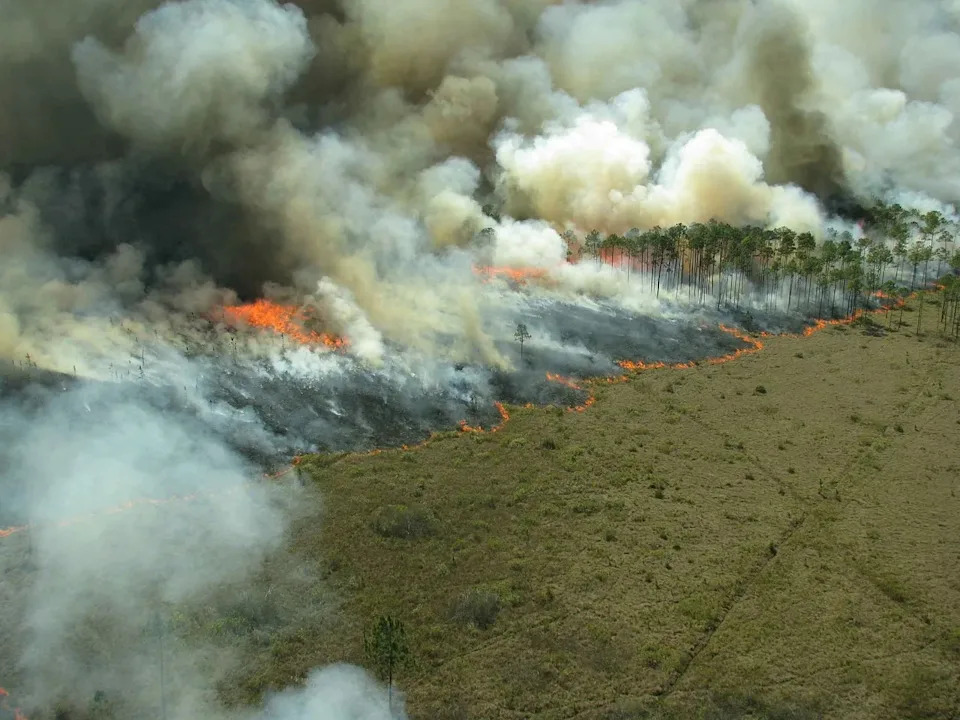
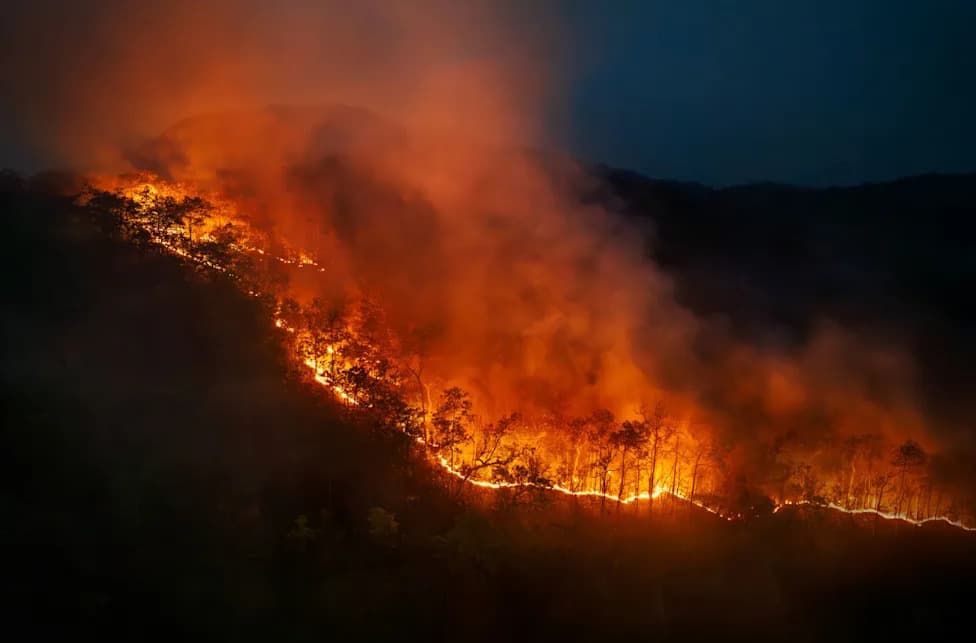
What a Controlled Burn Actually Does (Image Credits: Pixabay)
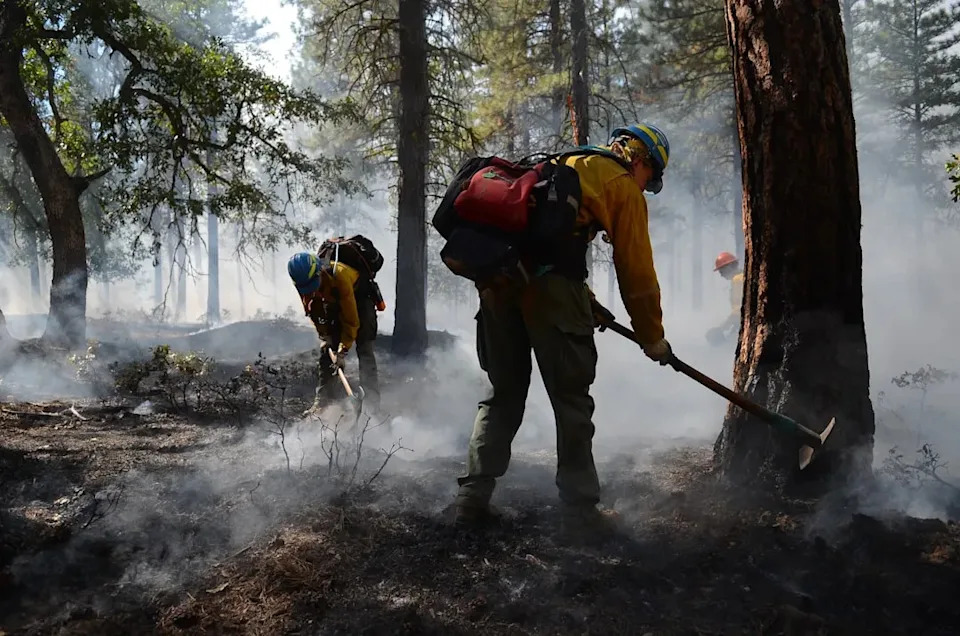
What the Latest Science Says About Effectiveness (Image Credits: Unsplash)
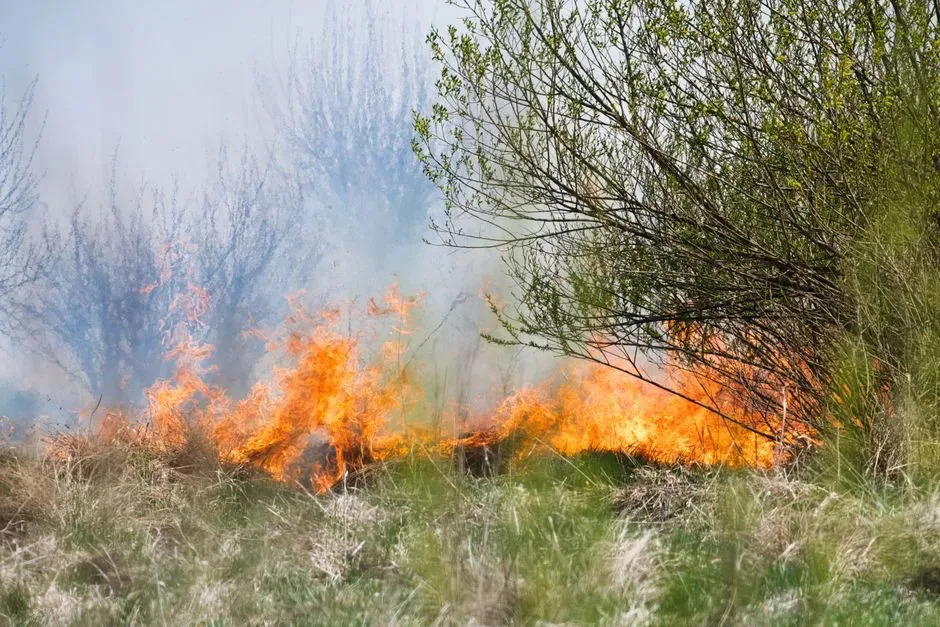
How Long Do the Benefits Last? (Image Credits: Pexels)
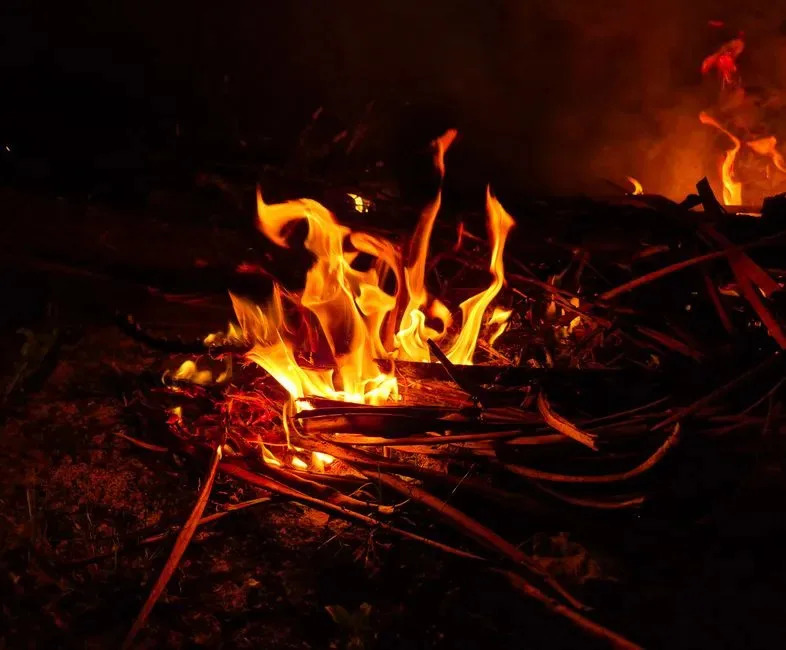
The Economics: Every Dollar Spent Saves Nearly Four (Image Credits: Pexels)
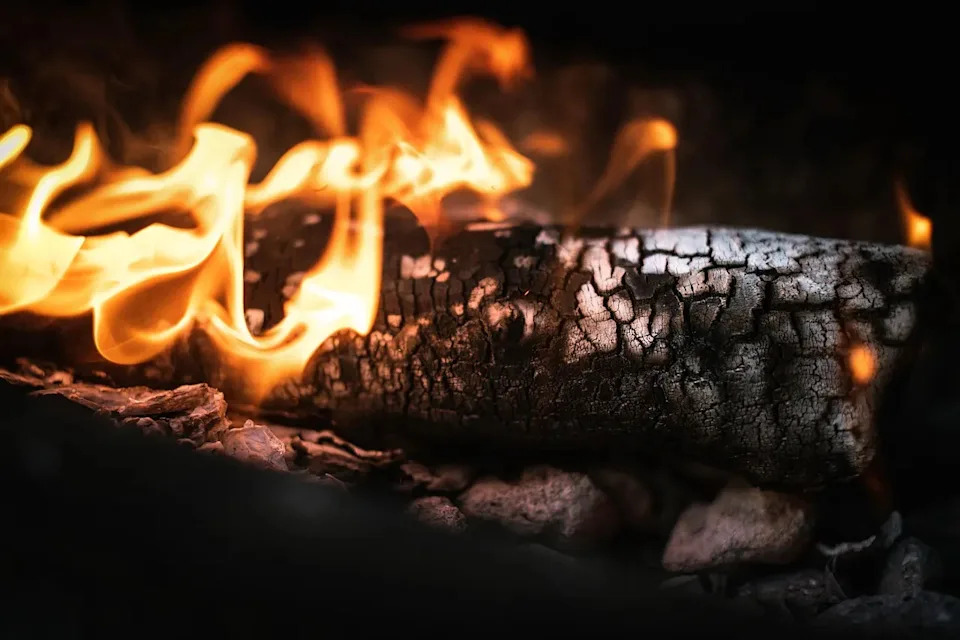
Indigenous Burning: Ancient Knowledge, Modern Validation (Image Credits: Pixabay)
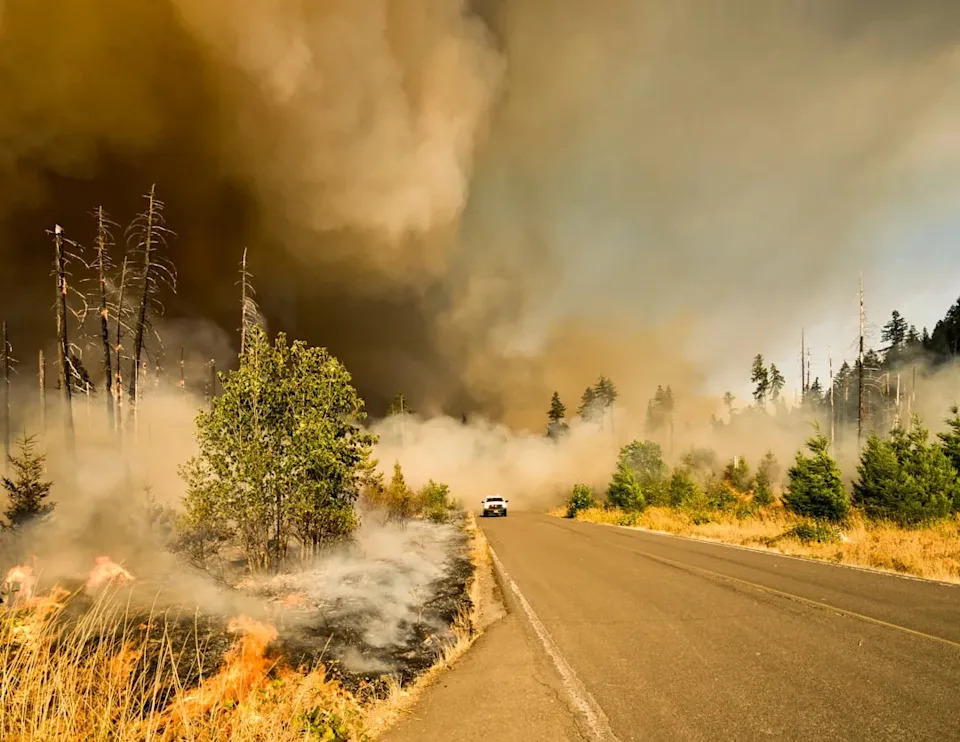
Smoke, Air Quality, and the Trade-Offs (Image Credits: Unsplash)
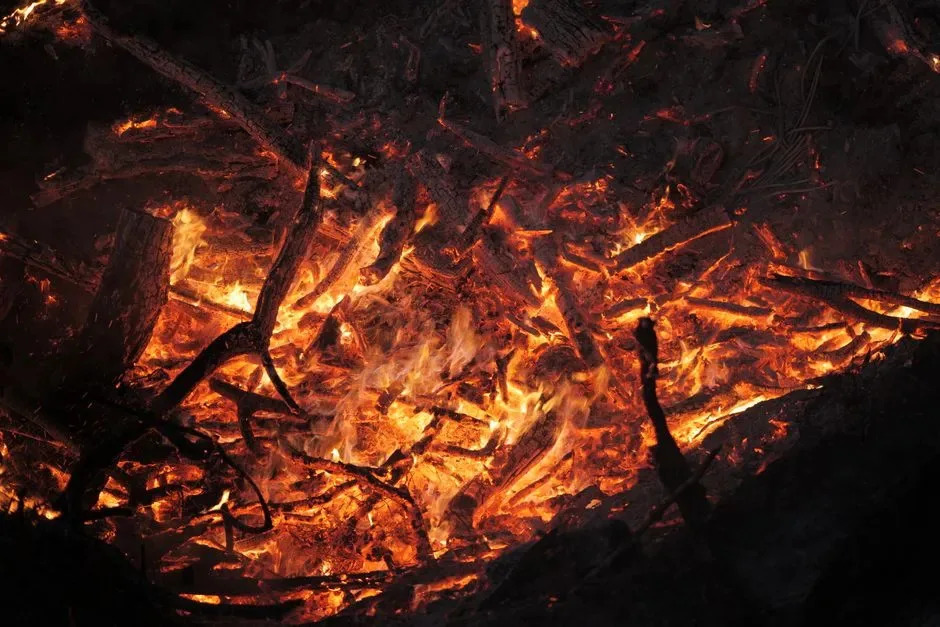
The Record High and the Alarming Drop (Image Credits: Pexels)
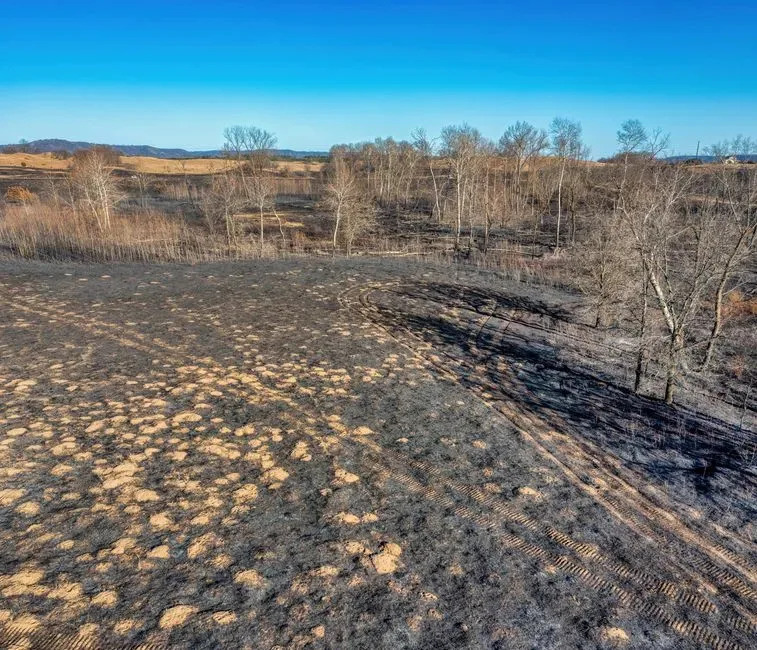
The Regulatory and Legislative Landscape (Image Credits: Pexels)
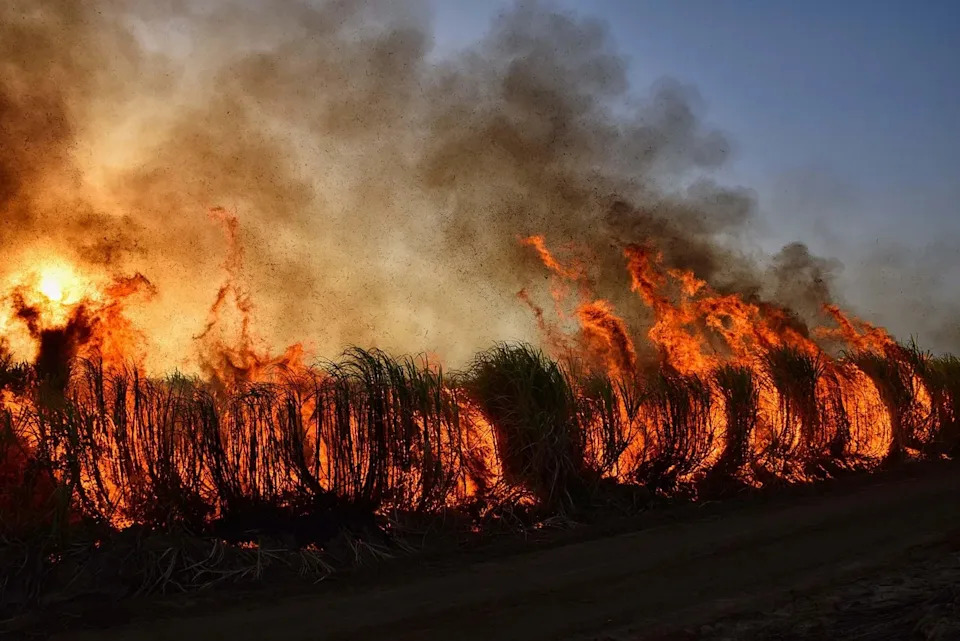
What Happens When We Fall Behind (Image Credits: Pixabay)
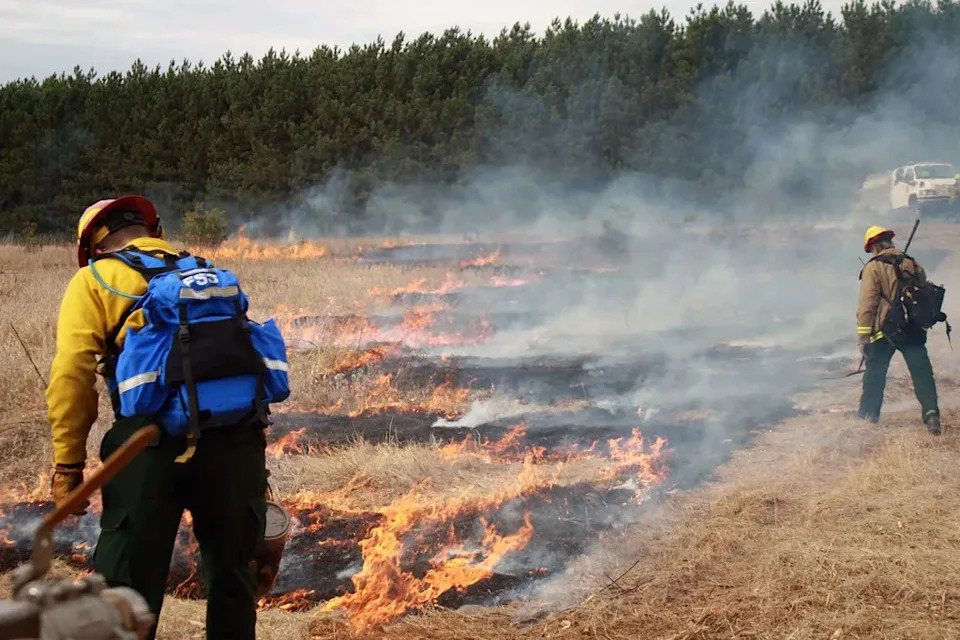
Conclusion: Fire as a Management Tool, Not Just a Threat (Image Credits: Flickr)
Help us improve.