A House of Lords inquiry heard calls from veterinarians and environmental scientists to restrict or ban over-the-counter spot-on flea treatments containing fipronil and imidacloprid because they are contaminating waterways and harming insects and wildlife. A BVA survey found around 80% of members support banning general retail sales and many vets oppose blanket monthly prevention. Experts say pollution can occur even with correct application and point to effective oral alternatives when treatment is necessary. Defra has opened a consultation but vets warn guidance alone may not solve the problem.
Vets Urge Ban On Over-The-Counter Spot‑On Flea Treatments Citing Environmental Harm
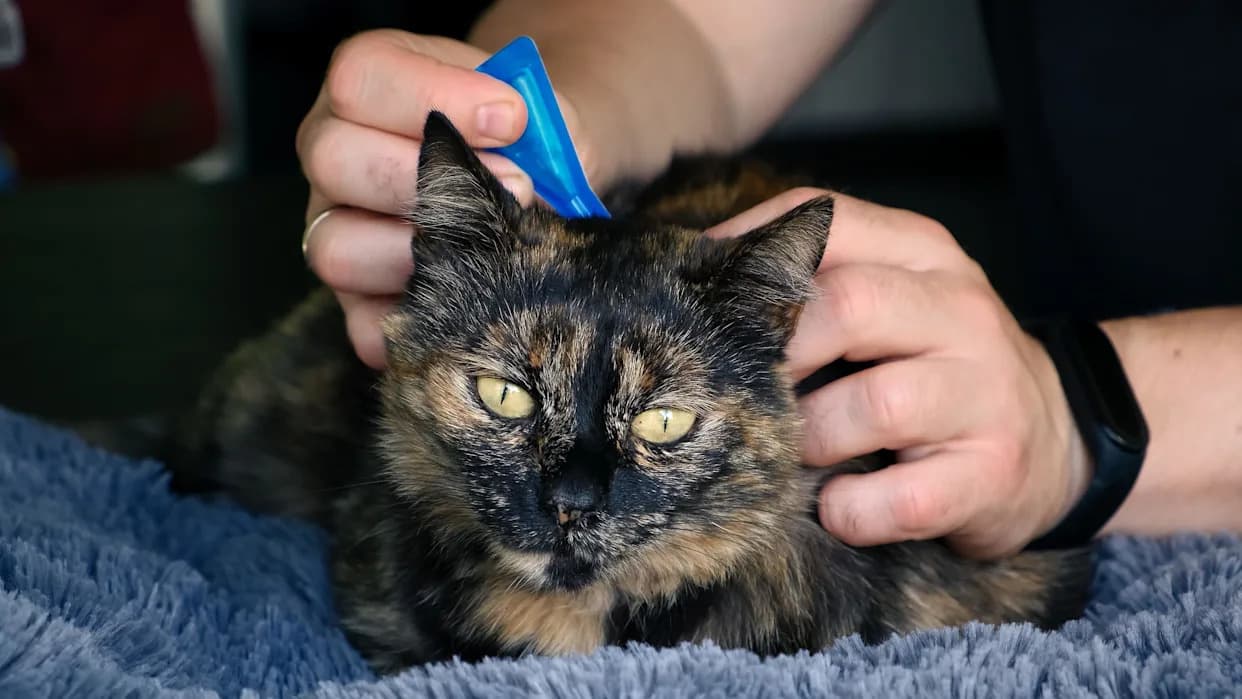
A cat has a flea spot-on treatment applied to the back of its neck [Getty Images]
A panel of veterinary experts told a House of Lords inquiry that over-the-counter spot-on flea treatments sold to UK pet owners should be restricted or banned because common active ingredients are contaminating waterways and harming wildlife.
Vets' Concerns
Several vets who gave evidence to the Lords' environment select committee urged an end to year-round, blanket preventative use and proposed that spot-on products containing fipronil and imidacloprid should only be supplied by veterinary professionals. The British Veterinary Association (BVA) reported survey results showing around 80% of respondents supported a ban on general retail sales and more than 70% backed stopping blanket preventative treatment.
Dr Elizabeth Mullineaux, BVA: "We're using these products really routinely and I think if you ask most vets what they do with their own pets, we don't treat our own pets in the way some practices are selling these products."
Evidence From Science
Environmental scientists told peers that fipronil and imidacloprid wash off treated animals into watercourses, where even tiny concentrations can kill aquatic insects at the base of food chains, with knock-on effects for fish, birds and mammals. Both chemicals were previously banned for many agricultural uses in the UK — imidacloprid in 2017 and fipronil in 2018 — because of demonstrated harm to pollinators.

[Getty Images]
Professor Guy Woodward, Imperial College London: "These things are toxic, extremely toxic, in extremely small concentrations... and it's only now we're starting to glimpse the full scale of contamination."
Alternatives And Practical Points
Some practising vets said they rarely use these spot-ons on their own animals and favor treating only when an infestation is confirmed. Alternatives such as isoxazoline oral tablets were cited as effective when treatment is needed. Vets also warned that government-funded research shows pollution can occur even when spot-on products are applied correctly, so guidance on proper use alone may not eliminate environmental risk.
Dr Rose Perkins: "Pollution is occurring through correct use. There's actually no evidence that incorrect application or incorrect disposal is a source of pollution."
Government And Industry Responses
The Department for Environment, Farming and Rural Affairs (Defra) has launched a call for evidence and an awareness campaign and is considering restricting general retail sales. The Veterinary Medicines Directorate (VMD) said it wants to limit environmental impacts and is seeking input through its consultation. The animal health trade body NOAH defended preventive parasite control as important for animal welfare and urged caution until Defra concludes its review.
This debate pits concerns for environmental protection against established parasite control practices for pet welfare. Defra’s consultation and the VMD’s review will influence whether the UK moves toward tighter retail controls or other regulatory changes for spot-on flea and tick products.
Help us improve.