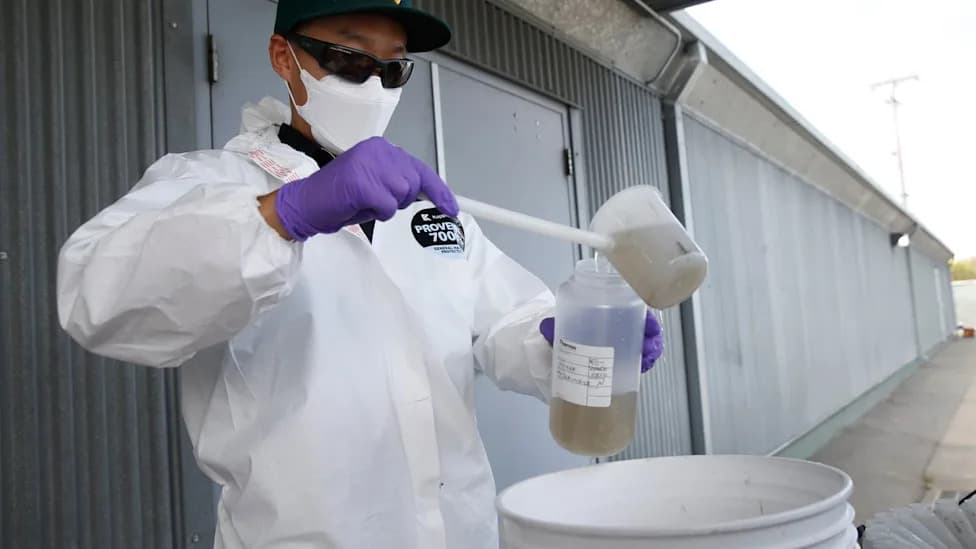
Washington, D.C., is considering legislation to limit at-home rodenticide use after officials linked 12 child hospitalizations in 2025 to DIY poisons. The REMY Results Amendment Act would fund rodent-proof trash cans in busy public spaces and restrict consumer access to the riskiest poisons, reserving them for professionals. Supporters say the changes protect children, pets and waterways; critics say residents need fast, effective tools. Officials emphasize a combined approach of prevention, regulated poisons and rat birth control.
D.C. Bill Would Curb At-Home Rat Poisons After 12 Children Hospitalized
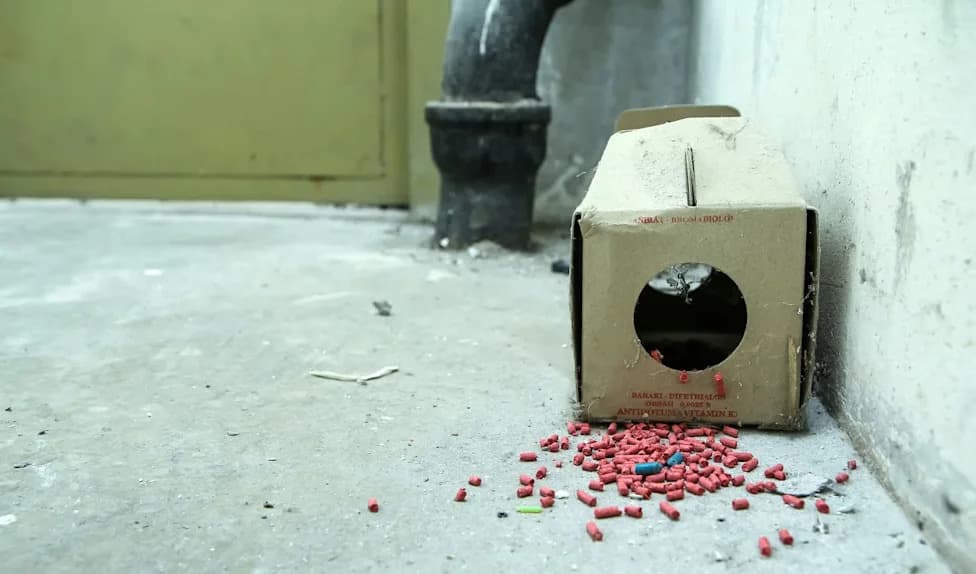
Photo Credit: iStock
Washington, D.C., is weighing new rules to limit at-home use of rat poisons after officials linked 12 child hospitalizations to do-it-yourself rodenticides. Lawmakers are considering two measures that focus on reducing what attracts rodents and tightening who can buy and use the riskiest poisons, while increasing investments in prevention.
What The REMY Results Amendment Act Would Do
At-large Councilmember Christina Henderson is advancing the Rodent Education and Management Yields ("REMY") Results Amendment Act, which would fund rodent-proof trash cans in high-traffic public areas and restrict consumer access to certain rodenticides. Henderson says the bill targets "low-hanging fruit" by cutting off rodents' access to food waste and making infestations easier to control before they grow.
"Most people don't realize that rodenticide might take a week or two in order for it actually to work once it's digested by a rat," Henderson said. "If you were to pour rodenticide in this alley, and it were to rain, it doesn't just stay in that area. It's now entering into the waterways."
Why Officials Want Tighter Controls
City officials, citing a WJLA report, say at least 12 children were hospitalized in 2025 after exposure to DIY rodenticides. They warn that consumer-grade poisons can endanger children and pets and wash into storm drains and waterways after rain, creating broader public-health and environmental risks.
Officials propose reserving the riskiest poison-based methods for licensed professionals while expanding preventive measures such as improved trash containment and rat birth control programs. Some rodent-proof trash cans already exist — privately funded installations in Georgetown and The Wharf — but scaling that approach across residential neighborhoods will be costlier and logistically more difficult.
Local Response And Trade-Offs
There is strong pressure from residents for fast results. During a tour of Petworth, Henderson pointed out damaged trash bins behind the Petworth Recreation Center chewed through by rats, which become easy feeding spots. At a community meeting noted by WJLA, some residents argued for faster chemical responses, even as officials warn those approaches carry additional hazards.
Supporters of the restrictions say limiting easy access to dangerous poisons will better protect children, pets and waterways and encourage safer, longer-term pest control practices. Critics say residents facing severe infestations need effective, fast tools and fear restrictions could leave them without adequate options.
Broader Context
D.C.'s debate over rodenticides is part of a larger national and global conversation about access to potentially dangerous consumer products when children could be exposed. Lawmakers elsewhere have weighed related measures: Connecticut has moved to ban a weed killer tied to child-health concerns; parts of Brazil have debated easing pesticide restrictions in the Amazon; and California has proposed banning disposable vapes over youth-safety fears. These fights highlight how everyday products can spark broader disputes about health, safety and environmental exposure.
Officials stress the District’s current strategy is multi-pronged: stronger trash containment, tighter consumer-poison rules, and continued use of rat birth control, acknowledging there is no single quick fix. City leaders continue to work on how best to expand rodent-proofing to residential waste systems without leaving families to resort to hazardous DIY options.
Help us improve.