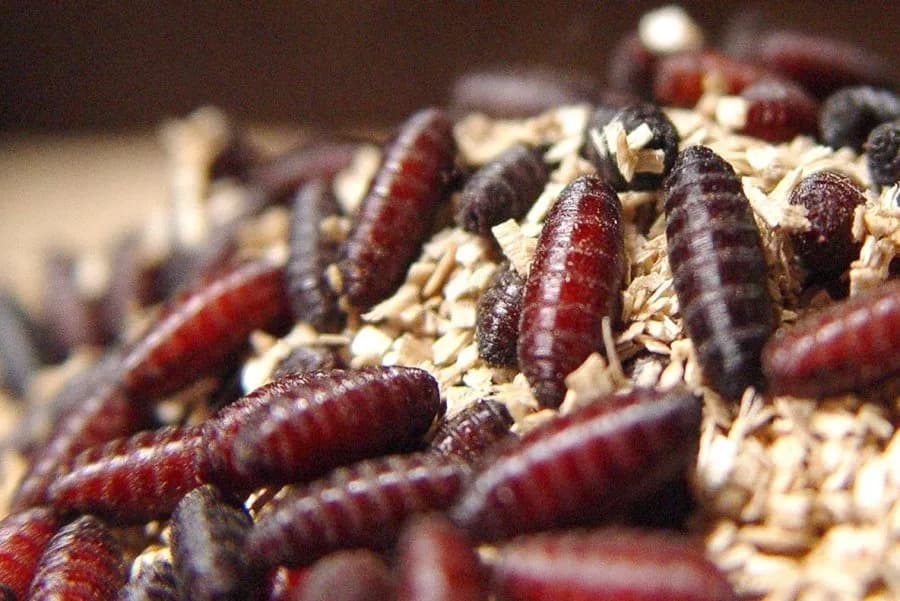
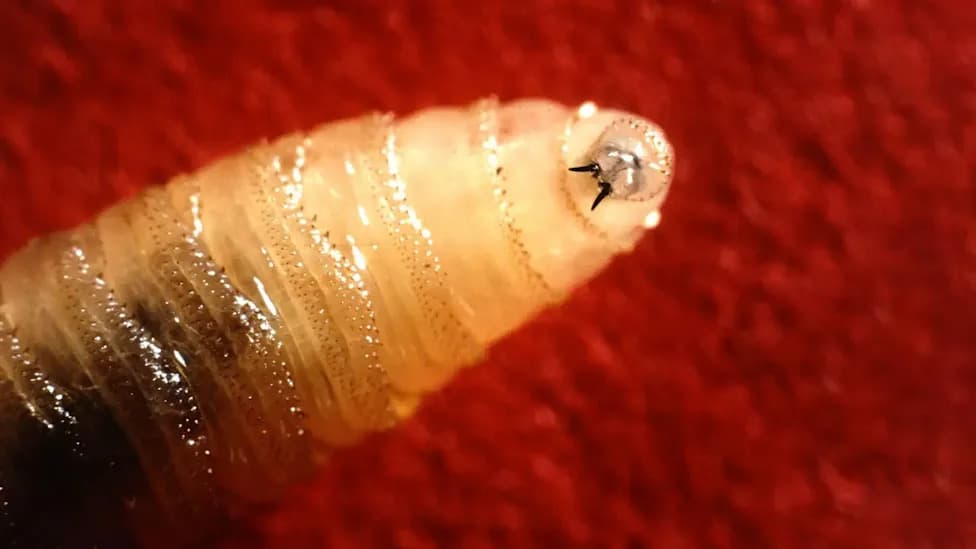
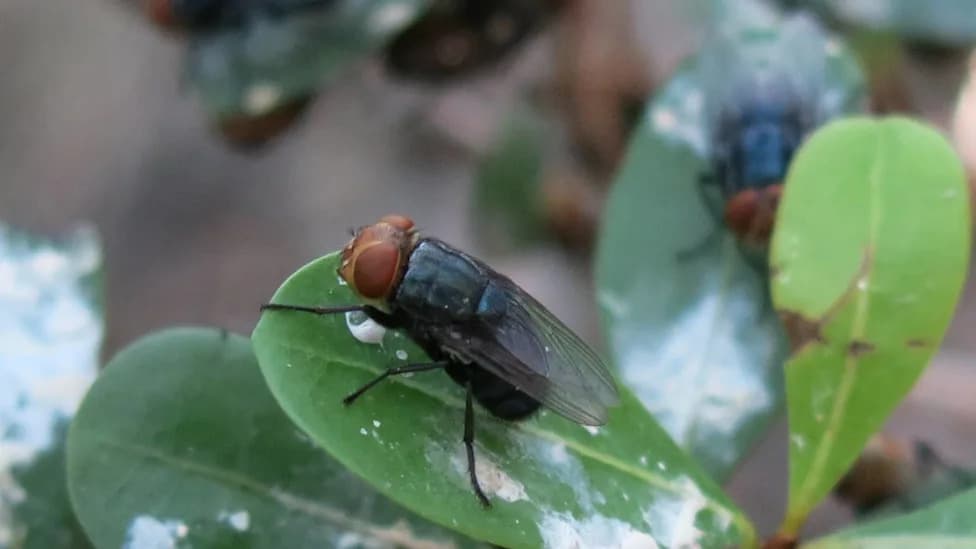
The New World screwworm (Cochliomyia hominivorax) causes myiasis by laying eggs in open wounds and can seriously harm animals and rarely humans. Facing a fast outbreak, U.S. agencies used emergency authorizations to allow F10 antiseptic ointment (authorized April 24, 2026) and a topical spray for multiple species. Medicated feeds containing ivermectin or doramectin remain unapproved for screwworm, and regulators warned about resistance and food-residue risks. The FDA has published priority data gaps (January 2026) and is seeking partners to study safety and effectiveness across species.
U.S. Rushes Emergency Treatments as New World Screwworm Threatens Animals — What You Need to Know
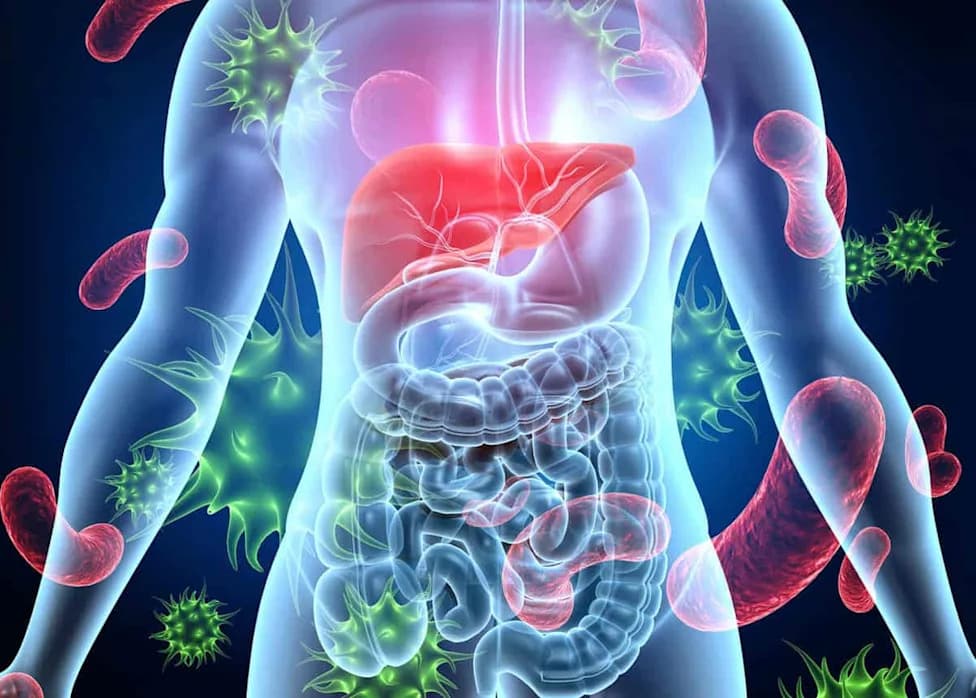
Parasite© iStock.com/ Rasi Bhadramani
Few parasites inspire as much alarm as the New World screwworm, Cochliomyia hominivorax. These flies lay eggs in open wounds and mucous membranes of warm-blooded animals; when larvae hatch they burrow into living tissue, causing myiasis — painful, sometimes life-threatening infestations in livestock, pets, wildlife and, in rare cases, humans.
Fast Action, Emergency Tools
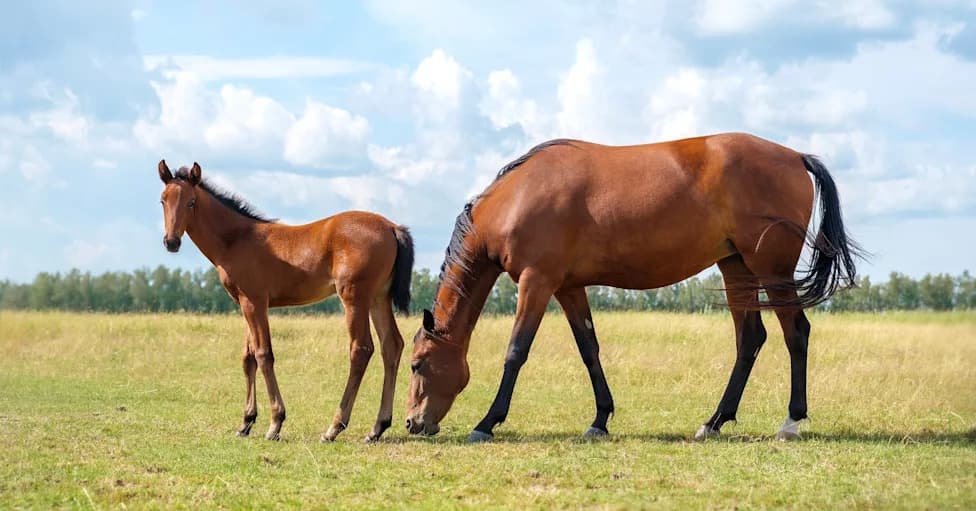
Because screwworm can spread rapidly, federal and state agencies have coordinated an accelerated response. On April 24, 2026, the FDA issued an emergency use authorization for F10 Antiseptic Barrier Ointment with Insecticide for a broad range of animals — including cattle, sheep, horses, exotic mammals and wild and pet birds. A month earlier the agency granted a similar emergency authorization for F10 Antiseptic Wound Spray with Insecticide. These emergency steps followed an August 2025 declaration by the Secretary of Health and Human Services that screwworm posed a substantial threat to public health and national security.
©mangpor_2004/iStock via Getty Images
Why Emergency Authorization?
The typical animal-drug approval process provides rigorous safety and efficacy review but can take years — too slow for a fast-moving outbreak. Emergency authorizations let regulators make needed tools available quickly while continuing to gather data and monitor safety.
What Options Are Off The Table — And Why
Producers have asked whether medicated feeds containing antiparasitics such as ivermectin or doramectin could help prevent or treat screwworm. Regulators have been clear: medicated feeds are not approved for screwworm in any species in the U.S. Although oral administration of drugs like ivermectin has been used in limited federal or state parasite-control programs, broad safety and effectiveness for screwworm have not been established, and existing law does not permit adding unapproved drugs to feed.
©iStock.com/Chalabala
Broader Regulatory Work
Agencies including the FDA's Center for Veterinary Medicine (CVM), the U.S. Department of Agriculture (USDA), and the Environmental Protection Agency (EPA) are evaluating other interventions — from over-the-counter topical antiparasitics to alternative drug delivery systems that could reach hard-to-treat species. Developing practical, safe treatments is complex because needs span food animals, companion animals and wildlife, each with different safety, residue and administration considerations.
Safety, Resistance, And Data Gaps
Officials stress cautious, judicious use of emergency-authorized products to reduce the risk of resistance and to protect the food supply. Meat, milk and eggs from treated animals must not contain unsafe residues. Recognizing critical unknowns, the FDA published a list in January 2026 titled "Priority Data Gaps Regarding Animal Drugs to Treat and Prevent New World Screwworm" and is seeking data and technical collaboration from academic, industry and federal partners to clarify safety and effectiveness across species. The FDA currently cannot fund the needed research but offers technical support for urgent studies and is working with international partners and the scientific literature to fill gaps.
Looking Ahead
The rapid response to the New World screwworm outbreak has highlighted both the strengths and limits of regulatory systems faced with fast-moving animal epidemics. Agencies have coordinated in new ways to deliver emergency tools while balancing the need for evidence, safety and practical deployment. As authorities gather more data and refine policies, those lessons will influence how future animal outbreaks are managed.
Help us improve.