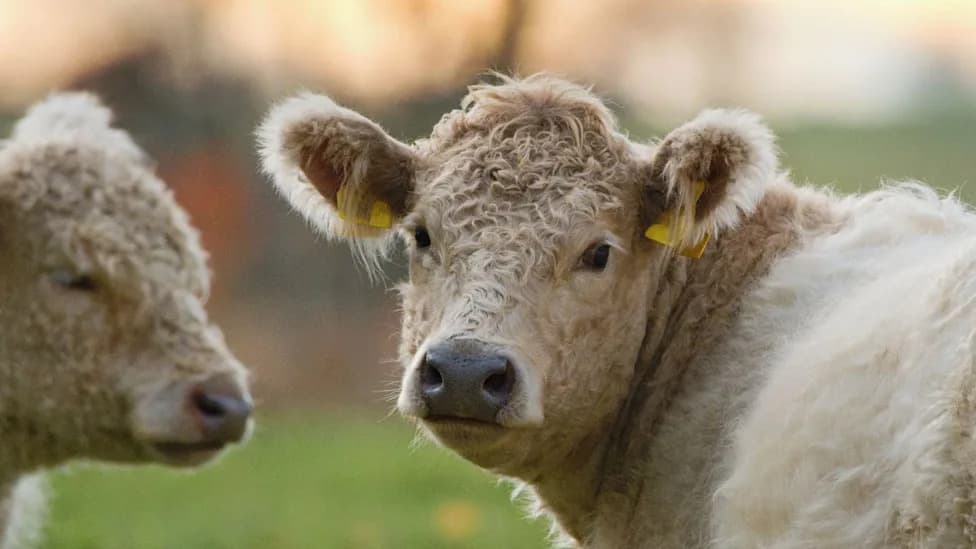
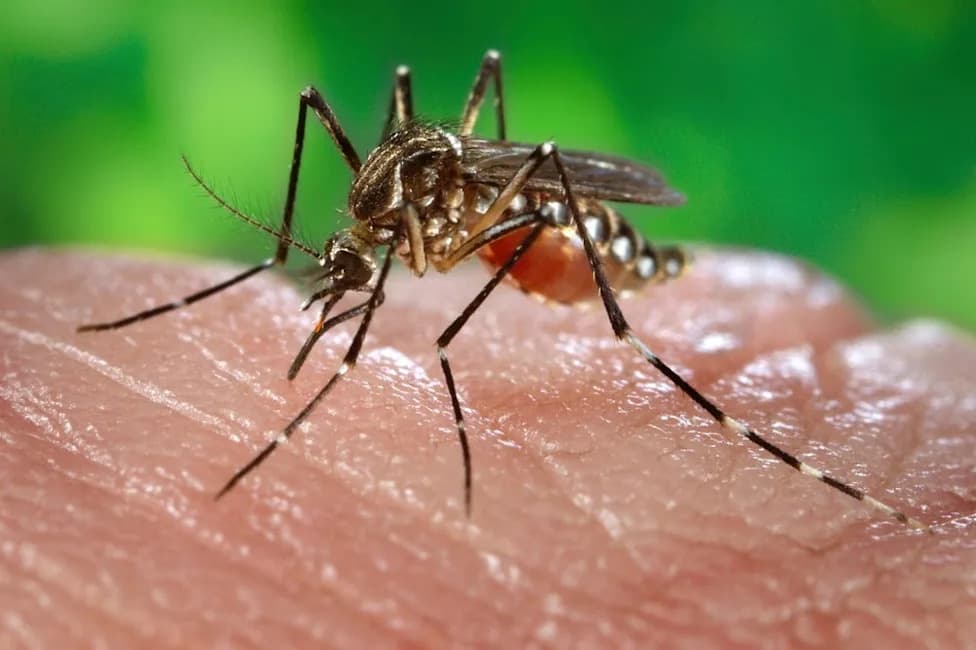
The government now allows private vets to diagnose bluetongue on farms, reducing the need to wait for laboratory confirmation and enabling faster action. There are 1,048 confirmed infected premises across the UK, with over half in Devon and Cornwall. Defra has launched an online reporting system and an updated heat map, while officials strongly urge vaccination to protect susceptible livestock.
Vets Can Now Diagnose Bluetongue On Farms to Speed Up Response
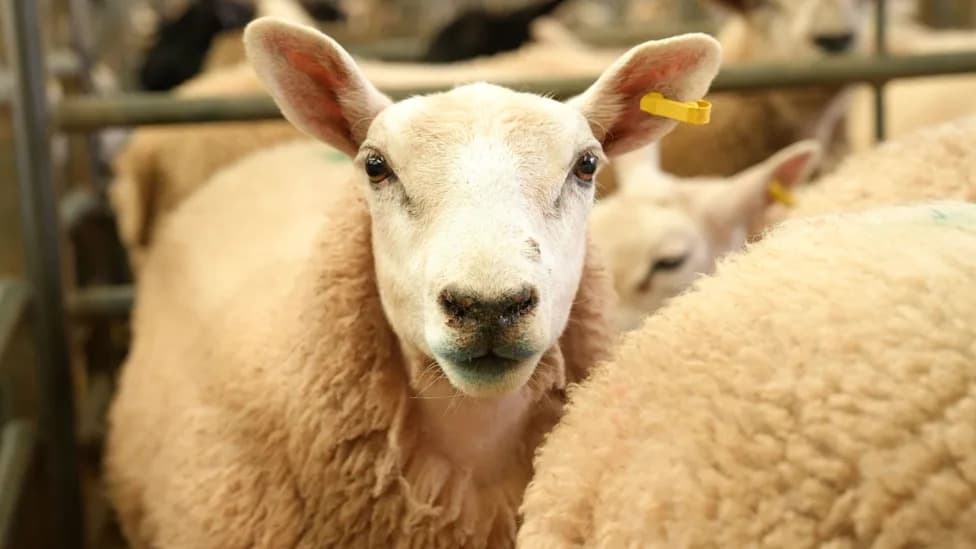
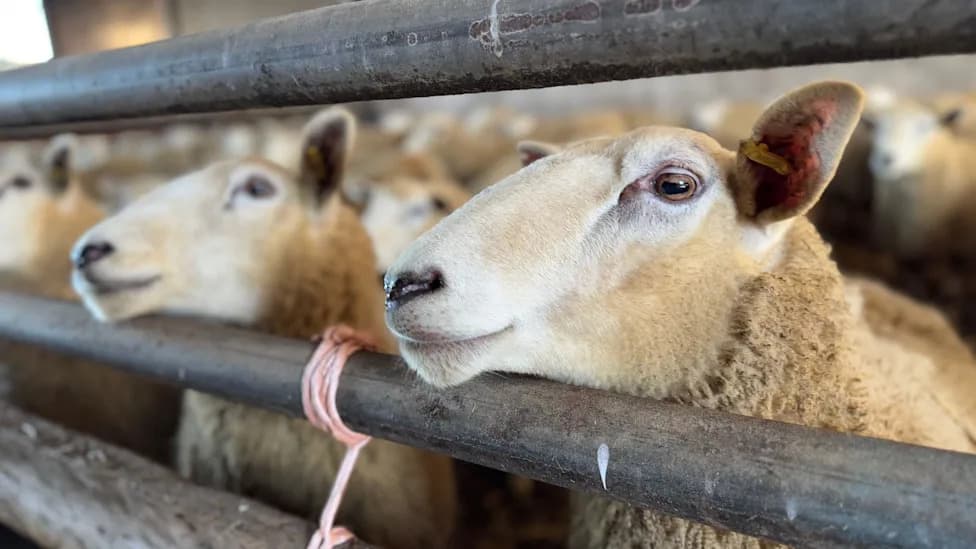
Private vets will be able to diagnose bluetongue after examining affected animals [BBC]
Vets will now be authorised to diagnose bluetongue virus on farms, allowing farmers to act without waiting for laboratory confirmation under new government measures.
Faster On-Farm Diagnosis
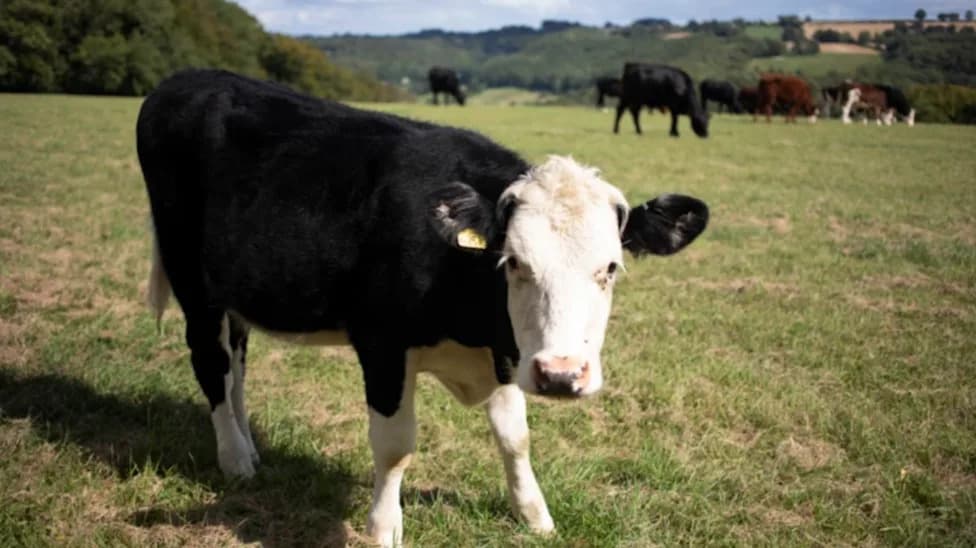
The Department for Environment, Food and Rural Affairs (Defra) said private veterinarians may make on-site diagnoses after examining livestock, cutting the delays caused by sending samples to a laboratory. The change is intended to give farmers quicker answers and allow more rapid protective action.
Officials Urge Vaccination
Deputy Chief Veterinary Officer Ele Brown said: "Bluetongue is widely circulating in England and our approach needs to keep pace. Private vets are well placed to recognise signs of the disease, and this change will mean farmers can get a diagnosis more quickly. Vaccination is the best tool available to help protect susceptible livestock, so I absolutely continue to urge farmers to speak to their vet about vaccinating their herd or flock."
New Reporting Tools and Map
Defra has launched an online reporting system enabling vets to log confirmed cases directly. An updated heat map of suspected and confirmed infections has also been published so farmers can see local reports and make informed decisions.
Outbreak Background and Impact
The virus, spread mainly by biting midges, was detected in a sheep in Cornwall in September 2025 — the first recorded UK case in 17 years. Scientists believe the strain was introduced on midges blown from northern France and likely spread more widely after overwintering in parts of the UK.
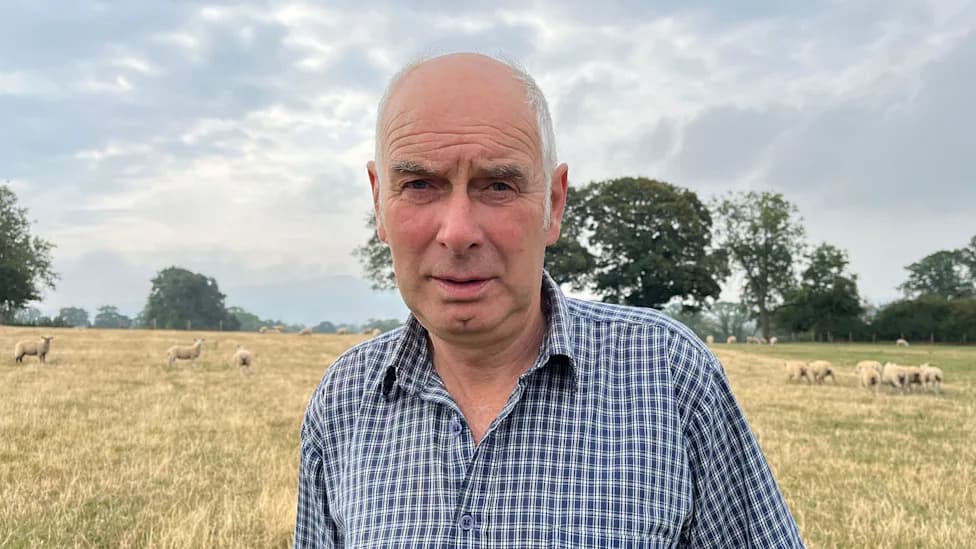
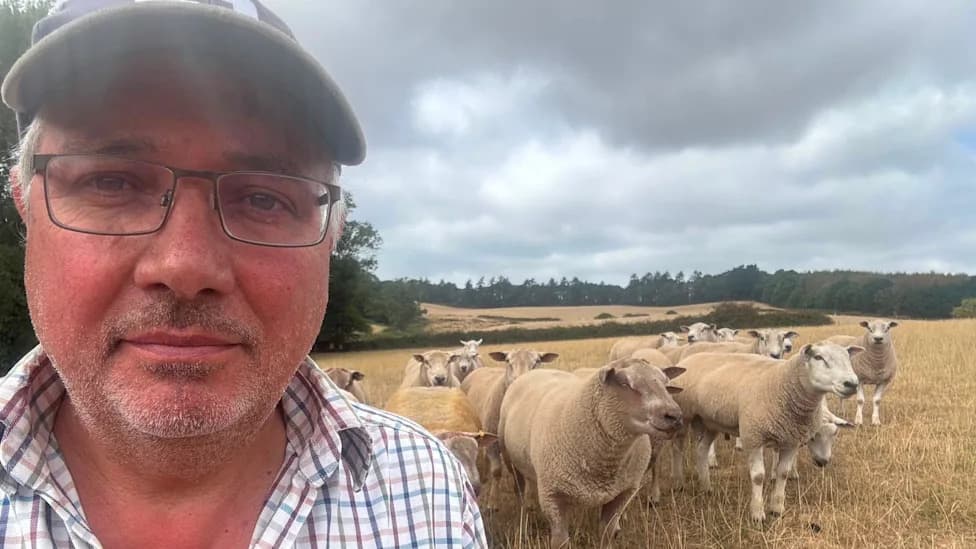
The outbreak has hit some farms hard. There are 1,048 confirmed infected premises across the UK, with more than half of those in Devon and Cornwall. Farmers report substantial losses: Jerry Sanders-Carr of Exe Valley Lamb, near Exeter, said he has lost about 15% of his flock to the disease and warned of lasting emotional and financial impacts on affected communities.
Monitoring and Support
The Animal and Plant Health Agency (APHA) continues to monitor the situation and work with veterinarians and farmers on disease control. Officials continue to recommend vaccination and prompt reporting of suspected cases to limit further spread.
Practical advice: If you suspect bluetongue in your flock or herd, contact your private vet immediately, consider vaccination where appropriate, and consult Defra's online resources and heat map for local guidance.
Help us improve.