The Center for Biological Diversity has sued after a February 2026 decision denying an ESA petition to protect the Atlantic horseshoe crab. The group says the species faces habitat loss and increased biomedical harvesting — which it asserts has doubled in seven years — alongside a long-term population decline of roughly 70%. Advocates warn that declines harm migratory shorebirds like the red knot and destabilize coastal ecosystems, and the lawsuit asks federal officials to re-evaluate ESA protections.
Conservation Group Sues to Force ESA Protections for Atlantic Horseshoe Crab After February 2026 Rejection
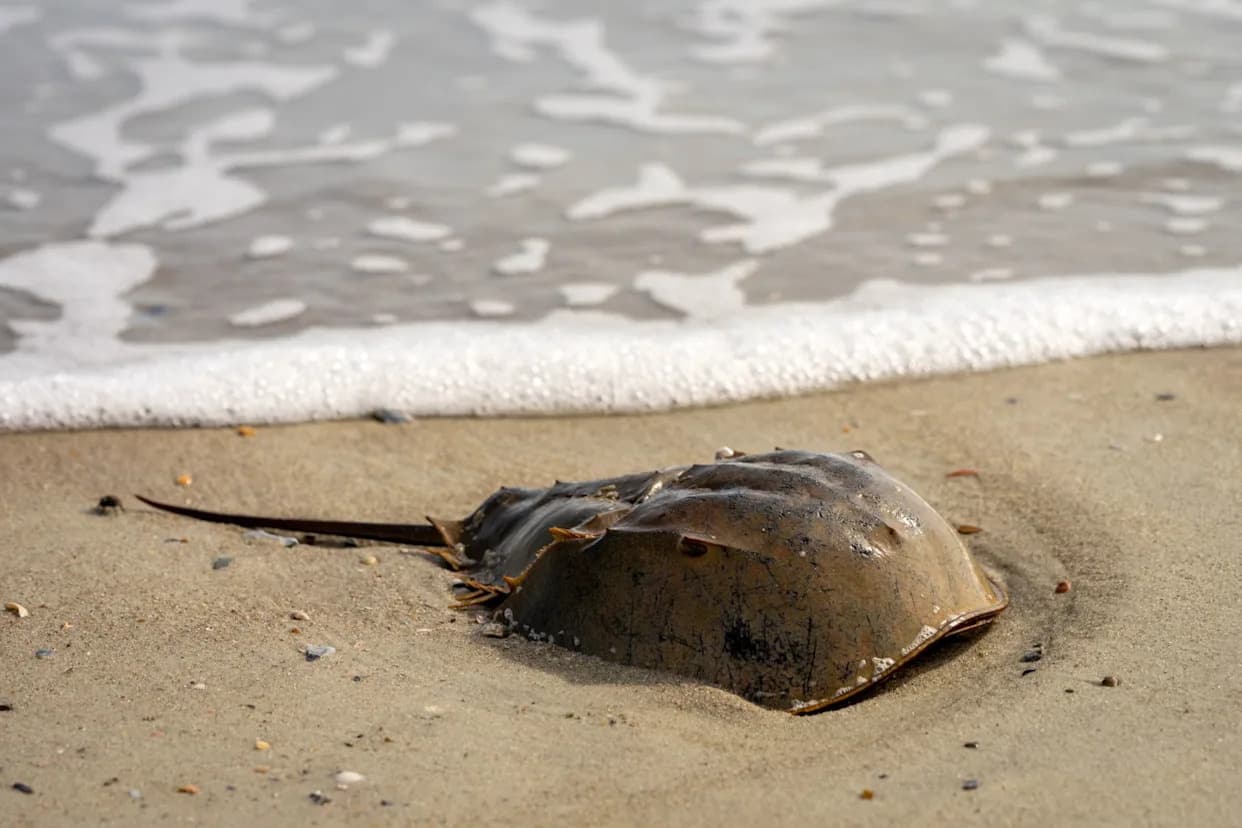
Photo Credit: iStock
A rejected petition is not the end of the fight to protect one of the ocean's most ancient animals. In February 2026 federal officials declined a request to list the Atlantic horseshoe crab under the Endangered Species Act (ESA). In response, the Center for Biological Diversity has filed a lawsuit asking a court to compel the government to reconsider whether the species — and the coastal food web that depends on it — should receive federal protections.
Why Horseshoe Crabs Matter
Horseshoe crabs are often called living fossils: they have existed in much the same form for hundreds of millions of years. Their eggs are a crucial seasonal food source for migratory shorebirds such as the red knot, and their presence supports the biodiversity and resilience of coastal habitats relied on by local communities.
Threats and Controversy
Scientists and advocates say the Atlantic horseshoe crab faces mounting pressures from habitat loss along the Atlantic and Gulf coasts and from intensive harvesting by biomedical companies. The Center for Biological Diversity asserts that biomedical harvests in the U.S. have doubled over the past seven years and that overall horseshoe crab populations have declined by roughly 70% in recent decades.
Horseshoe crab blood is used in pharmaceutical safety testing to detect bacterial contamination (a test known as LAL/TAL). Although synthetic alternatives — notably recombinant Factor C assays — exist and are increasingly used, the biomedical industry still relies heavily on wild crabs in some regions. That dependence on a declining wild species raises ethical, supply-chain, and public-health resilience questions.
“Horseshoe crabs have survived meteor impacts and ice ages but they're facing their biggest threat yet: us,” said Danny Waltz, a senior attorney at the Center for Biological Diversity. “It's deeply upsetting that the administration refused petitioned protections. I'm hopeful this lawsuit will force federal officials to act before it's too late.”
What the Lawsuit Seeks
The lawsuit asks the court to require federal agencies to re-evaluate the petition denial and to follow the statutory process for determining whether the Atlantic horseshoe crab should be listed under the ESA. A successful listing would trigger legal protections that can include critical habitat designation, limits on harmful take, and the development of recovery plans.
Broader Implications
Conservationists warn that declines in horseshoe crab numbers reverberate through coastal ecosystems by reducing food available to shorebirds and other species. The case also spotlights the healthcare sector's reliance on a wild species for essential safety testing and the need to accelerate adoption of validated synthetic alternatives to reduce pressure on wild populations.
At present, the primary development is the newly filed lawsuit; its next steps will follow the federal court process. Observers say the case could prompt renewed scientific review and policy debate over how best to balance public-health testing needs with conservation of a species central to coastal ecosystems.
Help us improve.