Erin Brockovich has compiled thousands of community reports about data centers onto a national interactive map, reflecting rising public concern as AI-related infrastructure grows across the U.S. The site recorded just over 3,000 reports by June 2 and added about 2,000 more by June 9, exceeding 5,000 submissions; more than 6,000 people had reportedly contacted her. Residents cite worries about water and electricity use, noise, waste and strain on local infrastructure. Several jurisdictions, from Seattle to cities in Kentucky, California and Georgia, have imposed moratoriums or bans while officials evaluate environmental impacts.
Erin Brockovich Maps 5,000+ Community Complaints as U.S. Data-Center Build-Out Accelerates
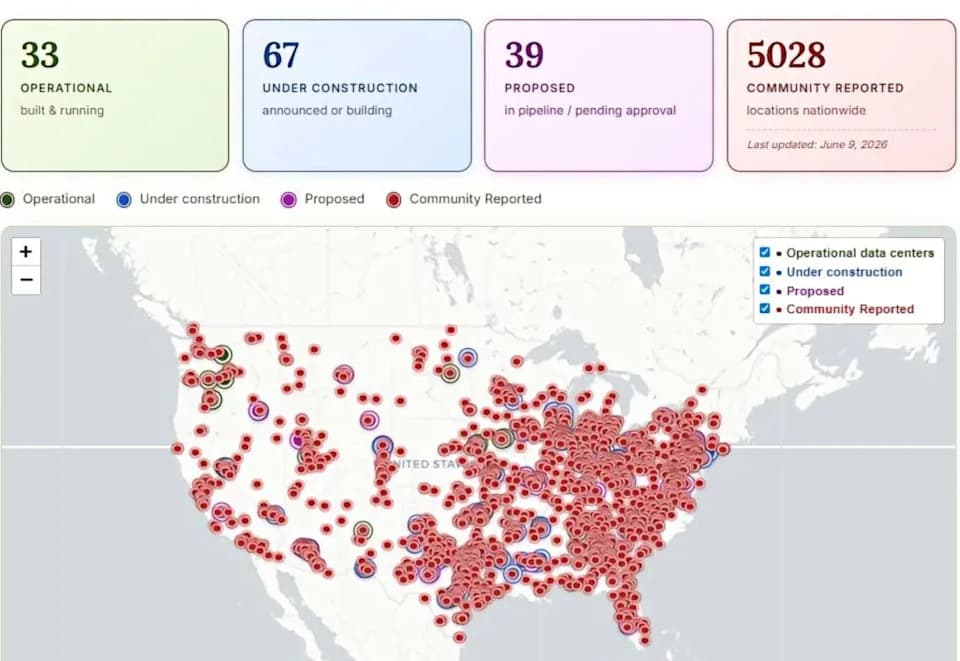
A screenshot of the data center map on Erin Brockovich’s new website.
Environmental campaigner Erin Brockovich has added thousands of community reports about data centers to a nationwide tracking map, underscoring growing public concern as the United States accelerates construction of infrastructure that powers artificial intelligence (AI).
What Brockovich Is Doing
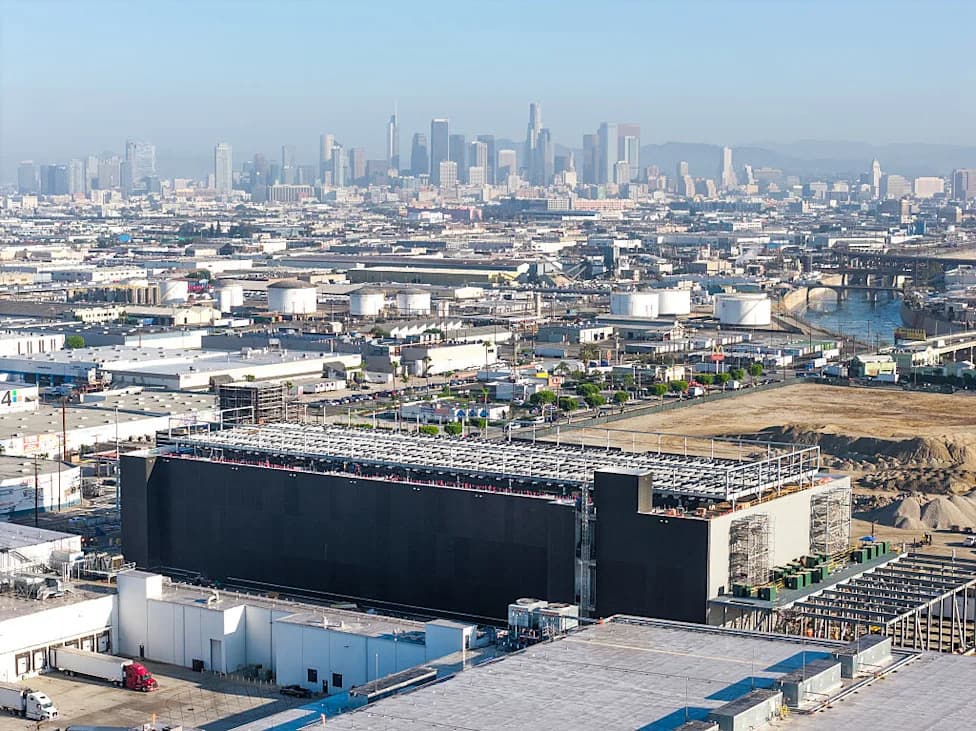
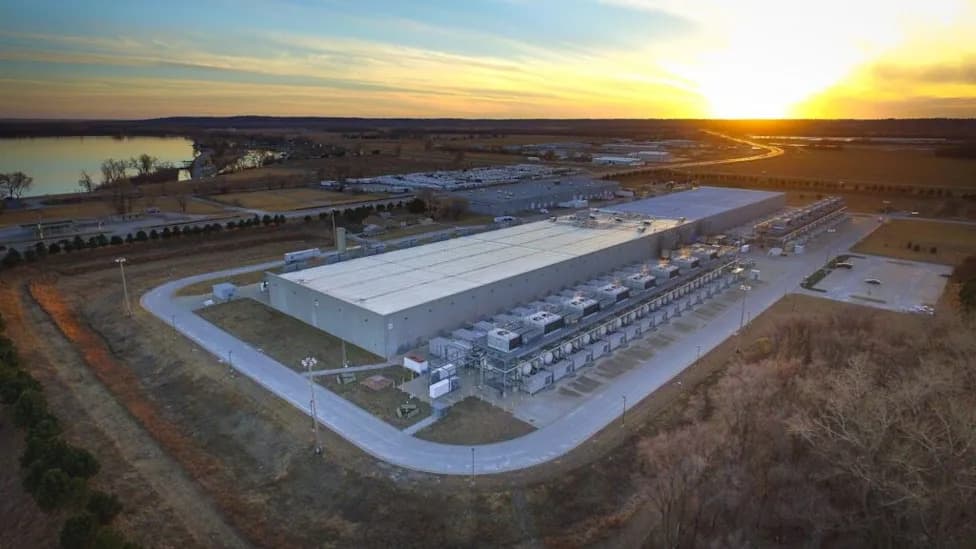
Through her project at brockovichdatacenter.com, Brockovich is collecting submissions from residents who report active, under-construction or proposed data-center sites near them. She plots those reports on an interactive map that highlights where facilities already exist and where new projects are planned.
Numbers And Momentum
By June 2 the map had recorded just over 3,000 reports; by June 9 roughly 2,000 additional submissions were added, pushing the total past 5,000. Brockovich has said those entries represent only a portion of concerned people who have reached out — she reported that more than 6,000 Americans had contacted her by early June.
Community Concerns
Local reports cite a wide range of anxieties. The most commonly raised issues include:
- High electricity consumption that strains local power grids
- Heavy water use for cooling large facilities
- Continuous noise from 24/7 operations
- Pressure on roads and municipal services during construction and operation
- Electronic waste from rapid hardware turnover
- Vulnerability to natural disasters or geopolitical disruptions
Environmental And Energy Impact
Data centers are well known for their large water and energy footprints. The Environmental and Energy Study Institute notes a single large facility can use as much as 5 million gallons of water in a day — roughly the daily water use of a town of 10,000 to 50,000 people. One estimate cited on the site suggests U.S. data centers collectively consume nearly 450 million gallons of water per day and more than 160 billion gallons annually. Researchers at the University of California, Riverside, have even estimated that generating a 100-word AI response can use about the volume of a single bottle of water.
On electricity, a Lawrence Berkeley National Laboratory report estimates U.S. data centers currently account for about 4.4% of national electricity use, a figure that could grow to as much as 12% by 2028 if current trends continue.
Policy Responses At The Local Level
In response to rising public concern, some local and state lawmakers have introduced legislative measures to tighten oversight of data-center siting, water use, and electricity demand. A number of jurisdictions have imposed moratoriums or bans while they study environmental impacts:
- Seattle enacted a one-year moratorium on new data-center development citing electricity and infrastructure worries.
- Multiple counties and cities in Kentucky have introduced temporary moratoriums to allow further study.
- Monterey Park, California, and several Georgia municipalities (including Palmetto, Fayetteville and Atlanta) have approved bans or restrictions this year.
What Comes Next
As more submissions arrive, Brockovich’s map may become one of the most visible public databases documenting data-center expansion and community reaction. At the same time, policymakers across cities, counties and states are reassessing rules, exploring stricter regulations, environmental safeguards, and temporary halts to ensure local needs and resources are protected amid rapid AI-related infrastructure growth.
Note: The interactive visualizations and embeds on Brockovich's site provide detailed geographic context for the reported facilities and community comments.
Help us improve.