The SLCP annual report reveals that 69% of manufacturing facilities lack formal climate adaptation plans while 16% recorded indoor temperatures above 31°C, raising worker safety concerns. The analysis covers 10,700 assessments and about 7.5 million workers, and shows limited progress on labour conditions in 2025. SLCP added climate metrics to its Converged Assessment Framework in 2025 and plans CAF v2.0 to strengthen guidance, data collection and alignment with Human Rights Due Diligence.
69% Of Manufacturing Sites Lack Climate Adaptation Plans As Heat Risks Rise
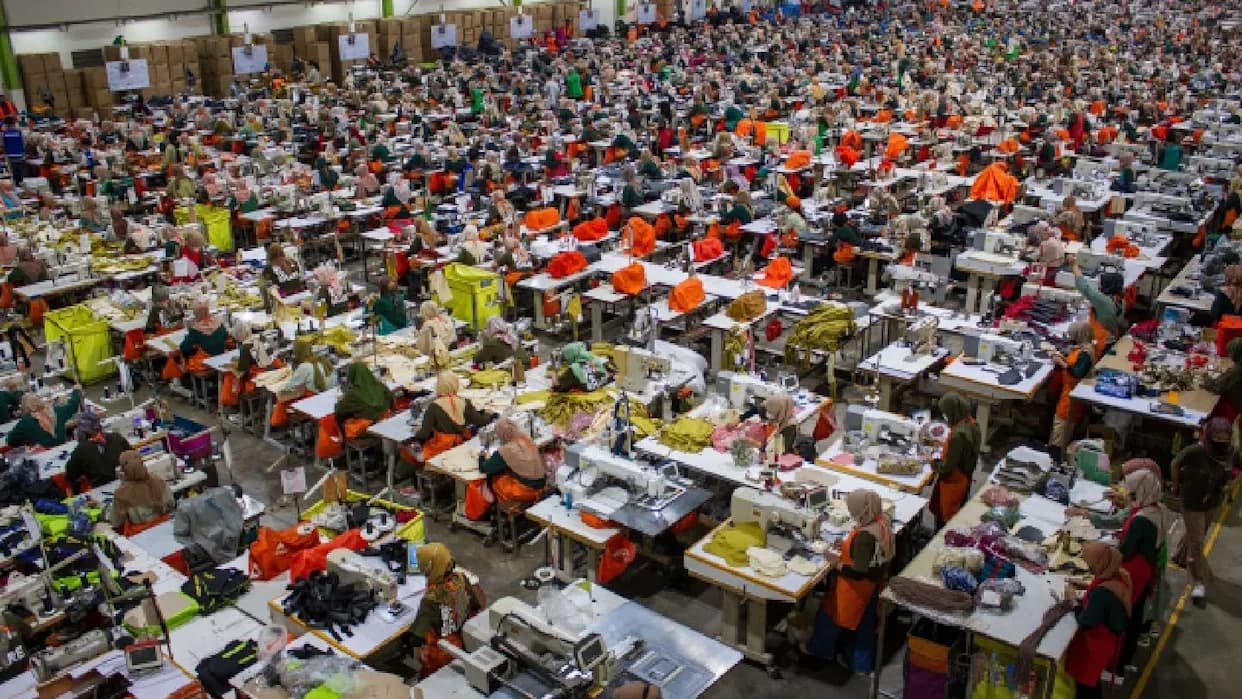
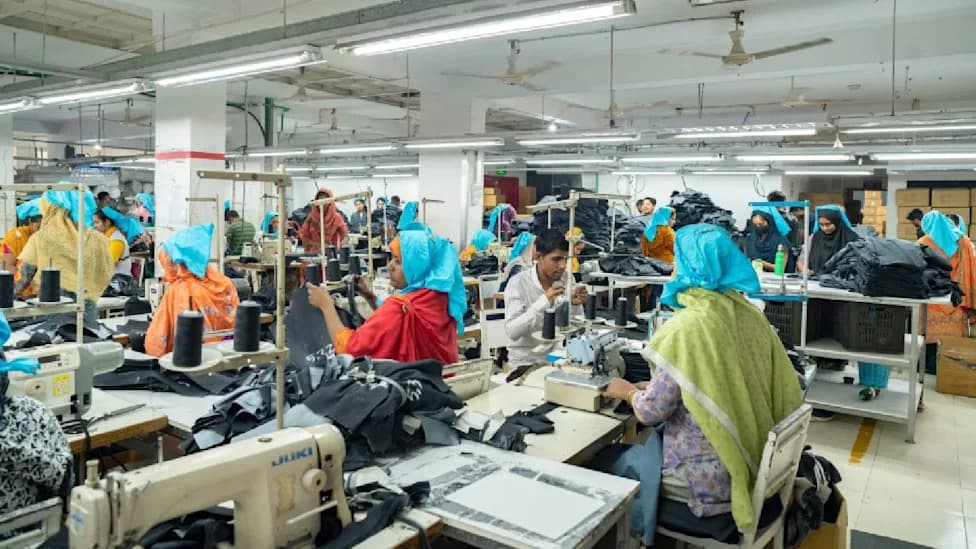
Workers work in a garment factory. Credit: Algi Febri Sugita/Shutterstock.com.(Algi Febri Sugita/Shutterstock.com.)
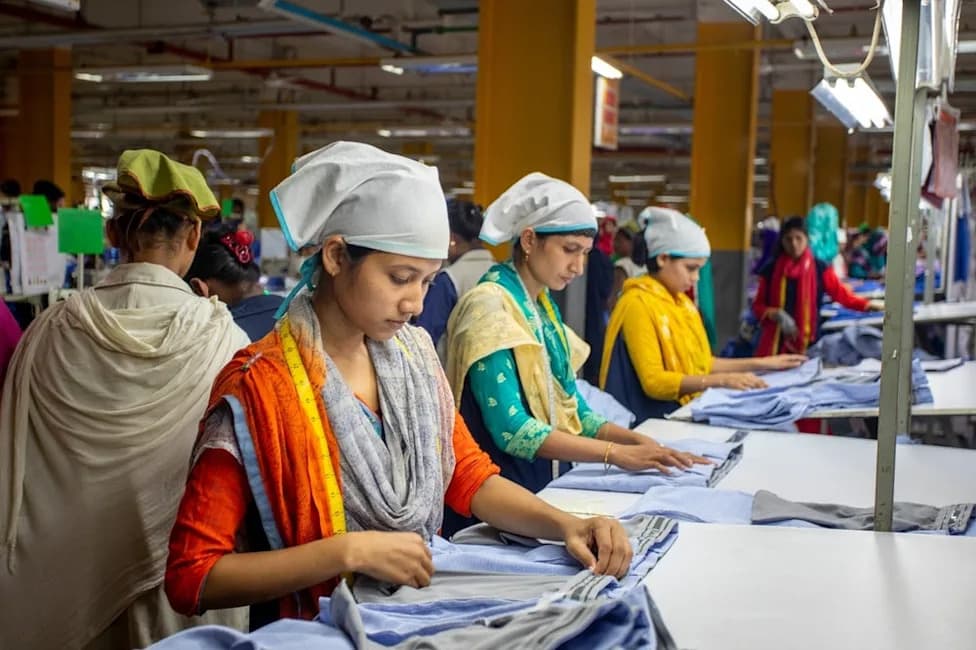
A new annual report from the Social & Labor Convergence Program (SLCP) finds that 69% of assessed manufacturing facilities have not implemented a formal climate adaptation strategy — even as heat exposure at work increases. The analysis draws on 10,700 assessments completed in the last year and covers roughly 7.5 million workers worldwide, underscoring persistent vulnerabilities across global supply chains.
Key Findings
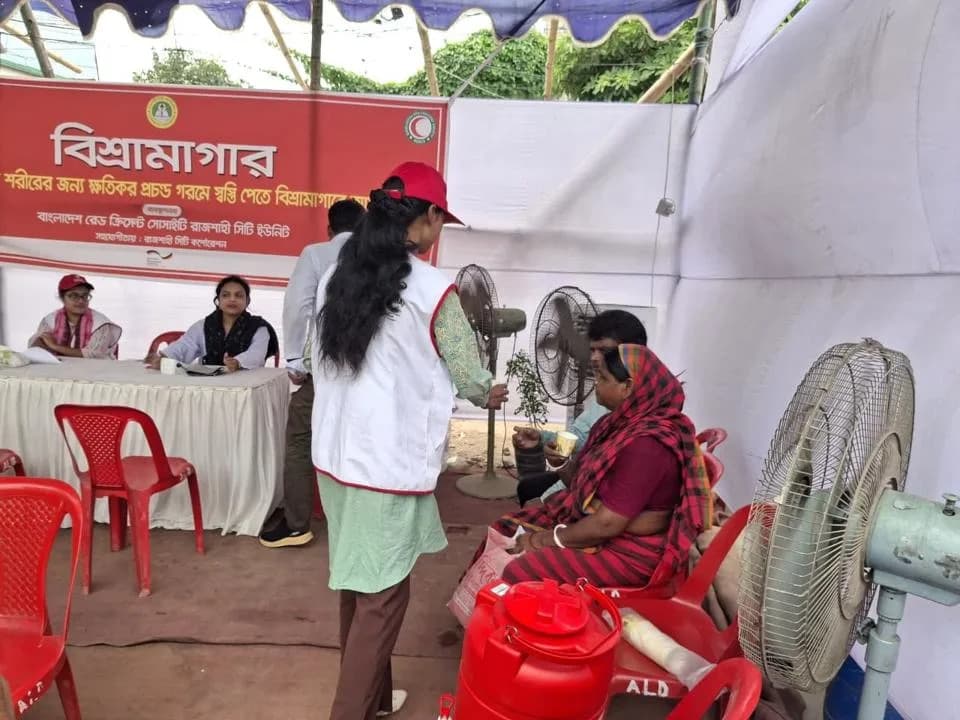
Worsening Heat Risks: Sixteen percent of assessed sites recorded average indoor temperatures above 31°C, a level described by SLCP as "dangerously close" to or exceeding recognised safe thresholds for workers.
Limited Preparedness: Overall, 69% of facilities lack a climate adaptation plan. Larger sites are more likely to have measures in place, while small and medium-sized enterprises (SMEs) lag behind.
Geography, Regulation and Supply Chain Depth
National Regulation Matters: In Vietnam, where temperature monitoring is mandated for certain labour sectors, 96% of facilities reported average indoor temperature data and more than half said they have formal adaptation plans. Despite this, 32% of Vietnamese sites recorded average indoor temperatures above 31°C.
Deeper Supply Chain Coverage: Tier 2 facility participation in SLCP assessments rose 14%, indicating broader reach into supplier networks and adjacent sectors. China remains the largest source of assessments by volume, and India and Vietnam showed the strongest year-on-year growth in facility participation.
Legal Compliance and Continuous Improvement
Legal compliance remains a widespread challenge: 91% of facilities recorded at least one legal non-compliance. SLCP reports that facilities that have used the Converged Assessment Framework (CAF) for five years show roughly 20% fewer non-compliances, suggesting that repeated measurement, benchmarking and follow-up may support improvements over time.
Efficiency Gains and Potential Funding Redirection
Each assessment was shared an average of 2.7 times, which SLCP says can reduce duplicative audits. The organisation estimates that reducing redundant assessments could free up to $35 million that might be redirected toward direct workplace improvements.
Response To Climate Risks
In 2025 SLCP added climate-related data points to its CAF to align assessments with Human Rights Due Diligence expectations and to treat climate hazards as integral to worker wellbeing rather than solely environmental issues. SLCP plans to release CAF v2.0, which will further align with due-diligence rules, refine data collection, strengthen guidance for facilities and third-party verifiers (including on climate information), and streamline the assessment process.
SLCP CEO Janet Mensink: "Looking ahead, SLCP is committed to delivering credible, actionable data to help companies and stakeholders navigate evolving global challenges. Climate change is increasingly a direct threat to safe working conditions, and collaboration will be essential to drive measurable improvements for workers across supply chains."
Context: The report is published as SLCP marks its tenth year and was originally reported by Just Style (a GlobalData brand). The data are intended for informational purposes and should not replace specialist advice for companies and policy makers.
Help us improve.