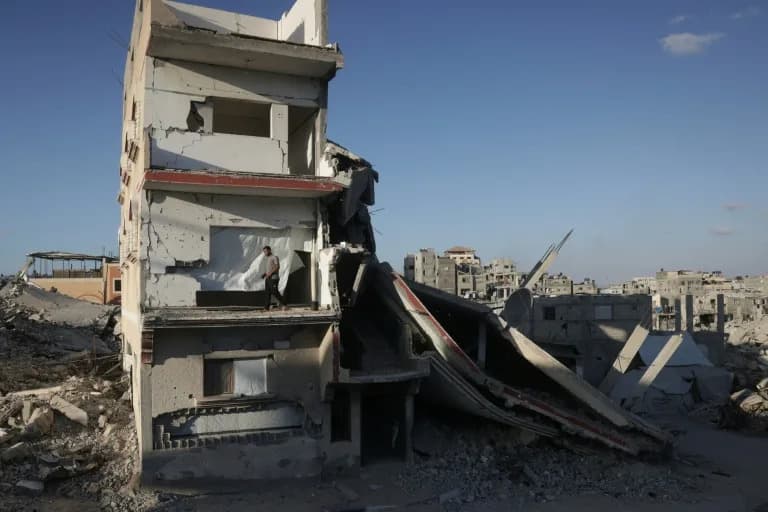
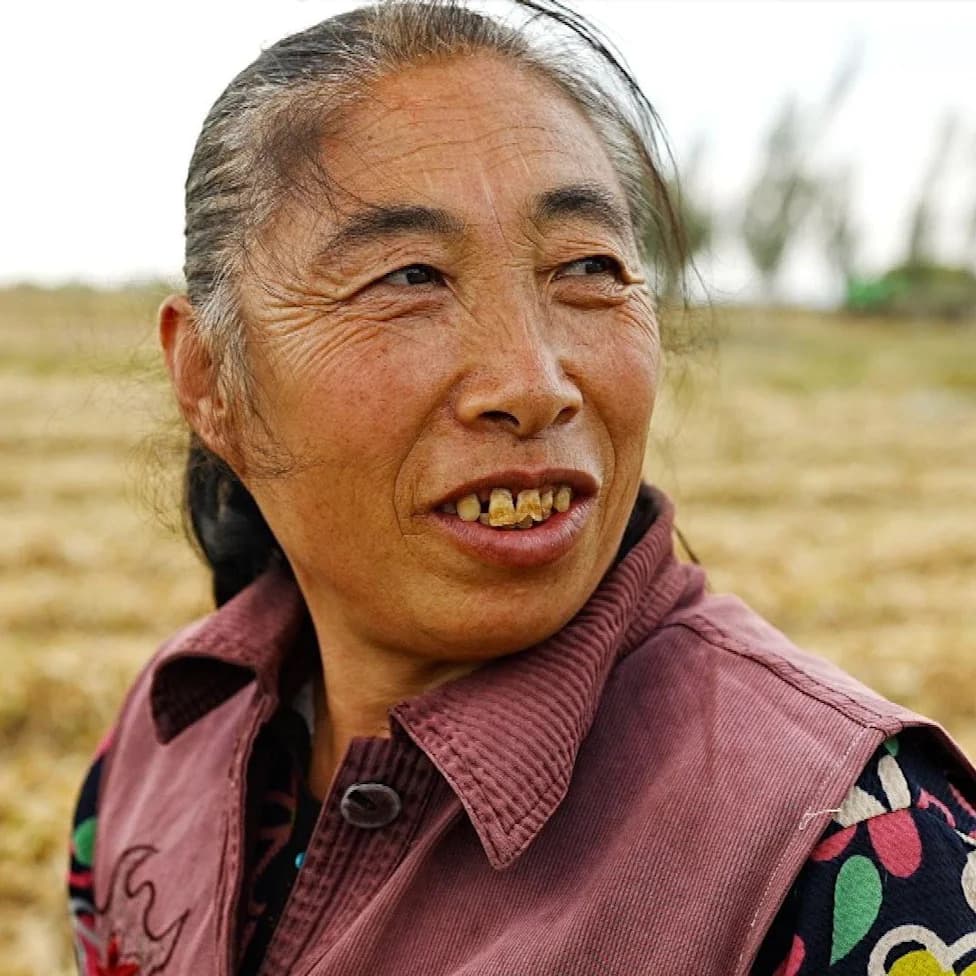
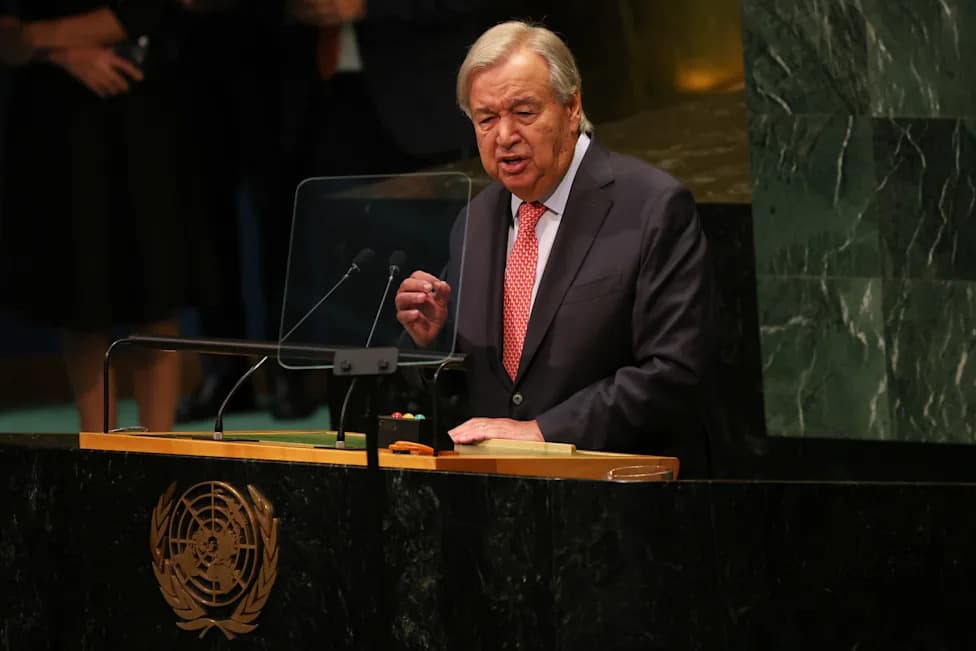
The UNEP has concluded that keeping warming to 1.5°C is no longer realistic under current policies, warning of much stronger climate impacts ahead. VUB researchers and MyClimateFuture data (reported by Climate Crisis 247) estimate that someone born in 2020 will face far more floods, droughts and heatwaves over their lifetime — with global heatwave exposure rising roughly 24×. Regional projections show especially dramatic increases in heatwaves in Sub‑Saharan Africa and the Middle East/North Africa, underscoring urgent need for both mitigation and adaptation.
Floods, Droughts and Dozens More Heatwaves: The Climate Burden Facing Children Born in 2020
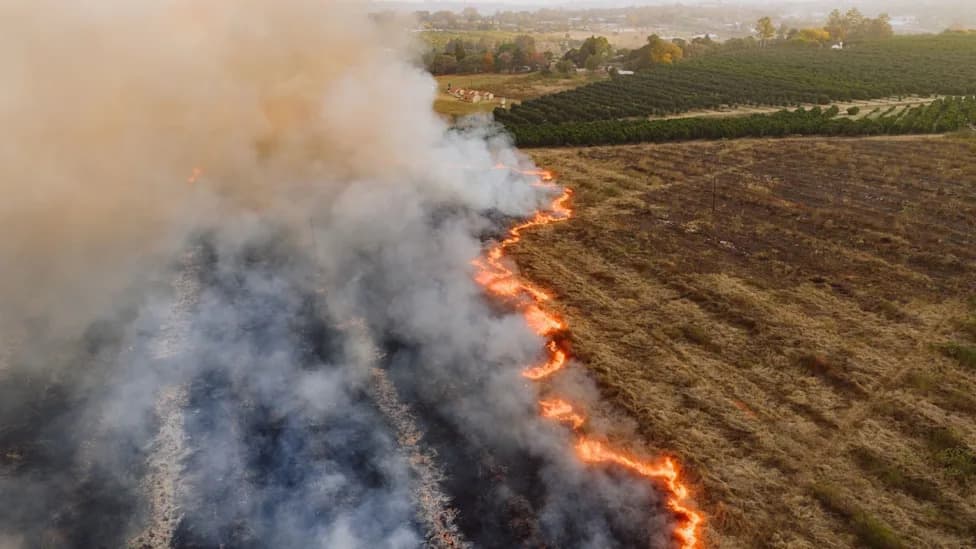
Photo by K on Pexels
Earlier this month the United Nations Environment Programme (UNEP) declared there is no longer a realistic pathway to keep global warming to 1.5°C above pre‑industrial levels — the central aim of the 2015 Paris Agreement. The finding highlights a widespread failure to reduce greenhouse‑gas emissions and signals that climate hazards will grow stronger and more frequent for coming generations.
"We are clearly entering uncharted territory," said Debra Roberts, former co‑chair of the Intergovernmental Panel on Climate Change.
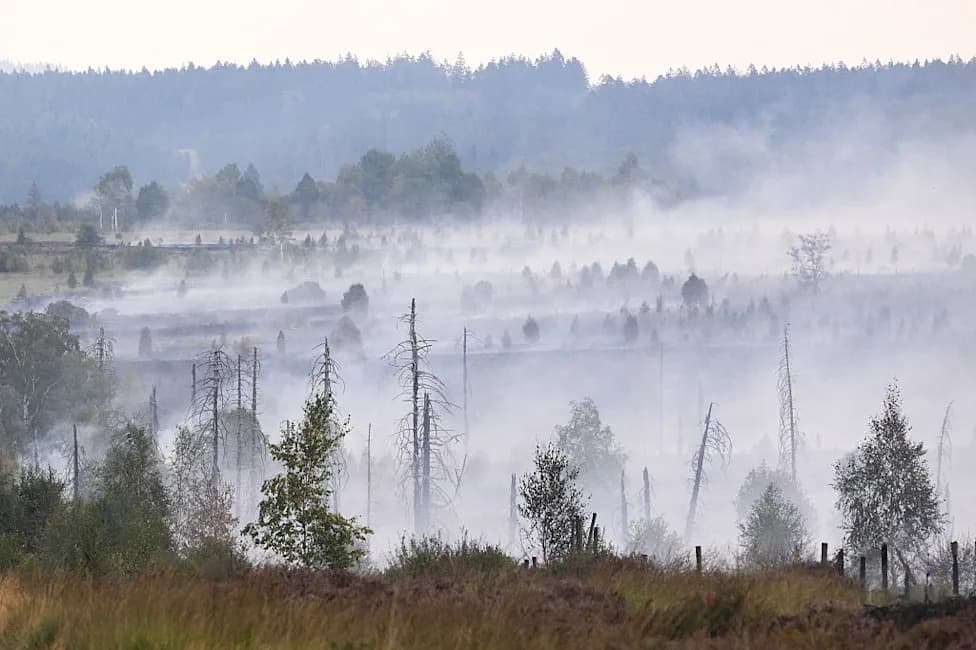
UNEP warns that some low‑lying islands in the Indian and Pacific Oceans may become uninhabitable, crop yields could fall by as much as 14% in parts of the world, and events once considered "century" extremes — such as intense heatwaves — may recur every 10–20 years.
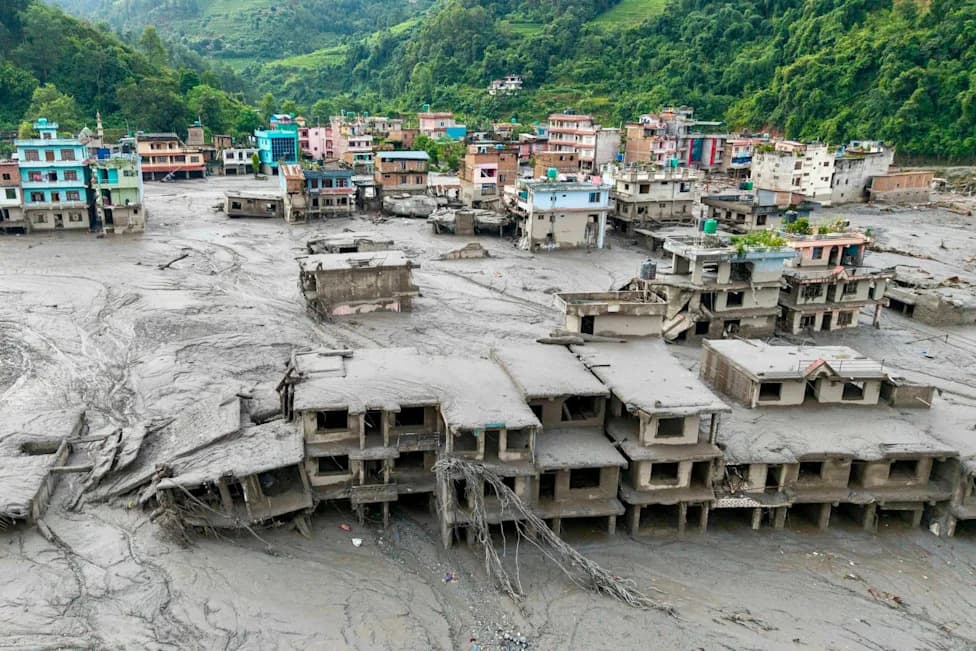
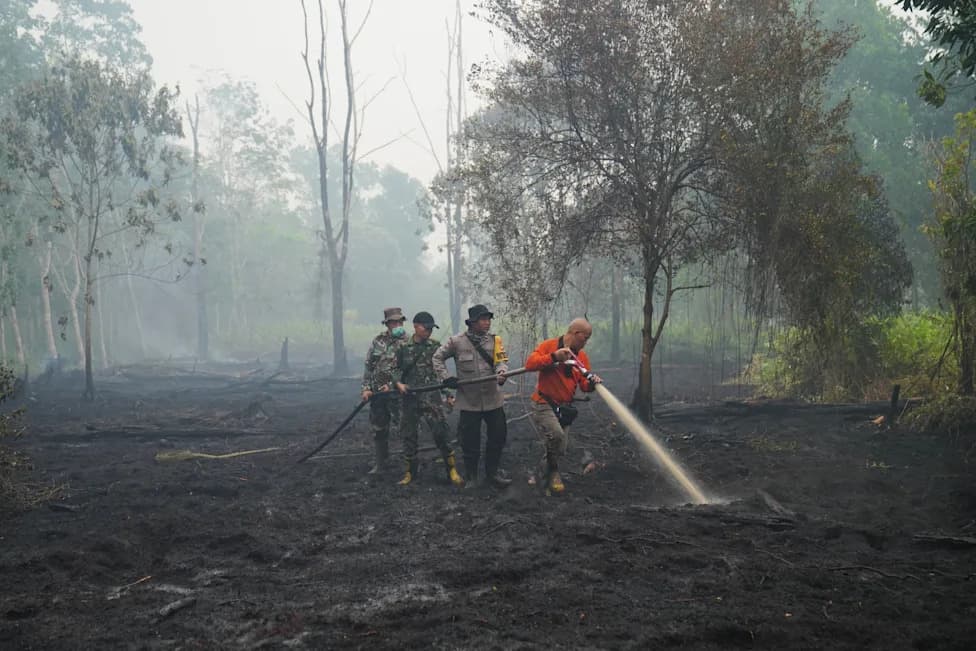
Researchers at the Brussels‑based Vrije Universiteit Brussel (VUB) used climate data and model projections to estimate lifetime exposure to extreme events for people born in 2020. Reporting by Climate Crisis 247 using MyClimateFuture datasets shows a stark picture: on average, a person born in 2020 is likely to experience nearly three times as many floods, about five times as many droughts and roughly 24 times as many heatwaves compared with a world without additional warming.
Photo byIswanto ArifonUnsplash
Lifetime Multipliers by Region (Person Born in 2020, Compared With No Additional Warming)
Below are the projected multipliers for each region, as reported by Climate Crisis 247 using VUB and MyClimateFuture data. These figures indicate how many times more frequently a given event is expected over a lifetime relative to a baseline with no anthropogenic warming.
East Asia and Pacific
- Wildfires: 1.7×
- River Flooding: 2.5×
- Crop Failures: 2.2×
- Tropical Cyclones: 2.1×
- Droughts: 3.1×
- Heatwaves: 16.9×
Europe and Central Asia
- Wildfires: 1.8×
- River Flooding: 1.7×
- Crop Failures: 0.6×
- Tropical Cyclones: 3.6×
- Droughts: 3.8×
- Heatwaves: 13.4×
Latin America and Caribbean
- Wildfires: 1.5×
- River Flooding: 2.0×
- Crop Failures: 4.2×
- Tropical Cyclones: 1.5×
- Droughts: 7.8×
- Heatwaves: 27.6×
Middle East and North Africa
- Wildfires: 1.3×
- River Flooding: 4.5×
- Crop Failures: 4.6×
- Tropical Cyclones: 3.5×
- Droughts: 10.6×
- Heatwaves: 31.9×
North America
- Wildfires: 1.8×
- River Flooding: 1.4×
- Crop Failures: 2.1×
- Tropical Cyclones: 2.0×
- Droughts: 6.6×
- Heatwaves: 18.3×
South Asia
- Wildfires: 1.2×
- River Flooding: 3.0×
- Crop Failures: 5.5×
- Tropical Cyclones: 1.8×
- Droughts: 2.0×
- Heatwaves: 19.9×
Sub‑Saharan Africa
- Wildfires: 1.3×
- River Flooding: 4.6×
- Crop Failures: 4.3×
- Tropical Cyclones: 1.8×
- Droughts: 6.3×
- Heatwaves: 38.2×
World (Global Averages)
- Wildfires: 2.2×
- River Flooding: 2.6×
- Crop Failures: 3.4×
- Tropical Cyclones: 1.4×
- Droughts: 4.6×
- Heatwaves: 23.8×
What This Means: These projections are model‑based and carry uncertainty, but they consistently indicate much higher exposure to extreme heat, floods and droughts for the 2020 birth cohort compared with a no‑warming baseline. The effects will be uneven: some regions face far larger increases in heatwaves (notably Sub‑Saharan Africa and the Middle East/North Africa), while others face greater risks of flooding or crop failure.
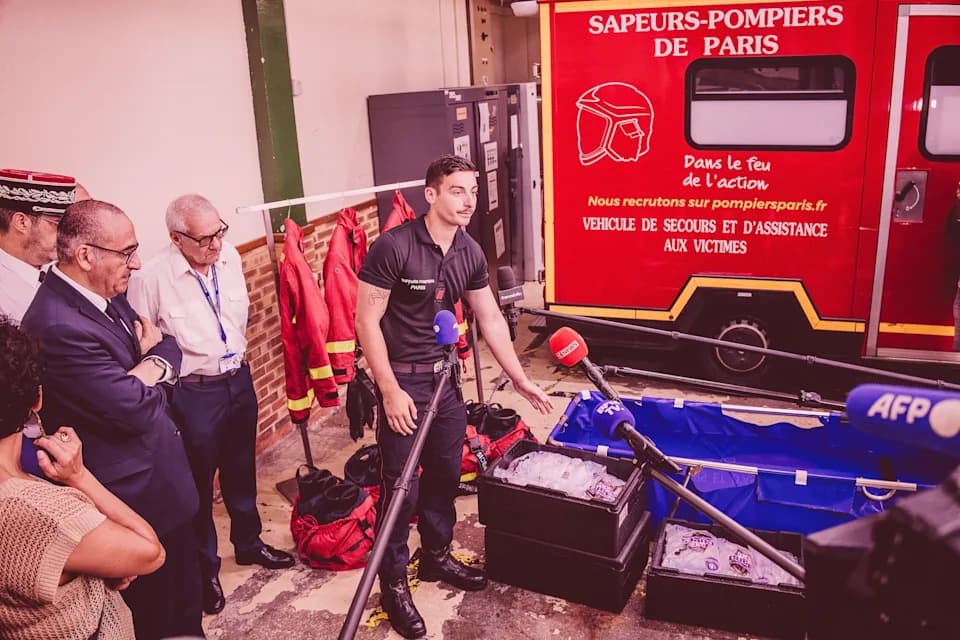
Policymakers, planners and communities must accelerate both mitigation (to reduce future warming) and adaptation (to protect vulnerable populations). The findings underscore urgent needs for resilient infrastructure, heat‑health planning, water management and international cooperation on climate impacts and migration.
Data Note: Multipliers reported here are drawn from VUB analysis and MyClimateFuture outputs as reported by Climate Crisis 247. They compare projected lifetime event frequencies for someone born in 2020 with a hypothetical baseline without additional anthropogenic warming.
Help us improve.