AAFA unveiled a five-part Heat Stress Toolkit at Cascale's Annual Meeting 2026 in Athens to help apparel brands, manufacturers and facilities protect workers from rising heat risks. The Toolkit converts AAFA's April 2026 guidance into step-by-step, site-level implementation materials—facility guidance, a manufacturer workbook, brand guidelines and a standard supplier survey. Developed collaboratively with industry and worker-advocacy input, it centers five principles: protecting workers, data-driven action, shared financial responsibility, context-sensitive solutions and two-way communication. The resource is explicitly a framework for implementation, not an audit or compliance standard.
AAFA Unveils Heat Stress Toolkit: Practical Tools to Protect Apparel Workers Worldwide
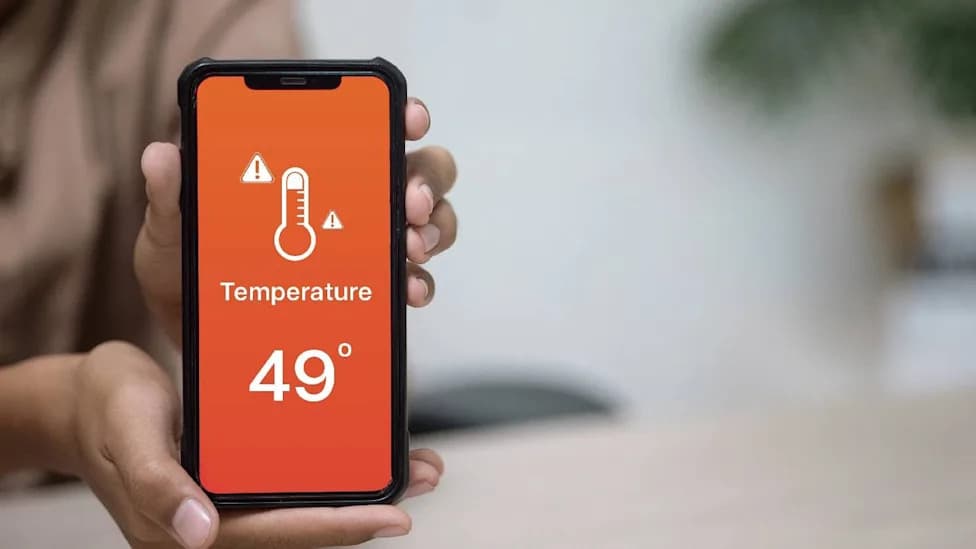
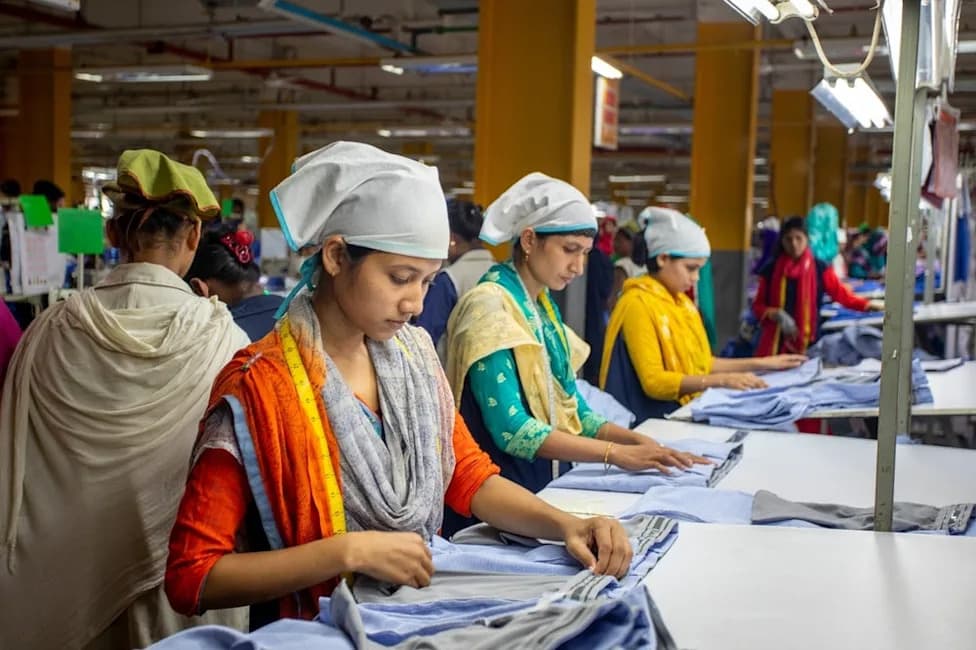
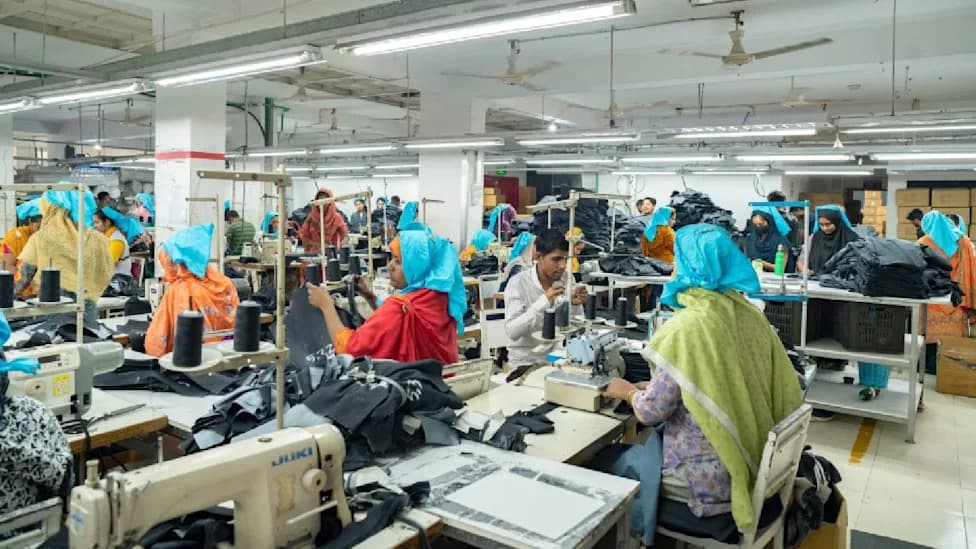
The toolkit will assist manufacturers and brands in addressing heat risks in production areas. Credit: vittaya pinpan/Shutterstock.com.
The American Apparel & Footwear Association (AAFA) launched a five-part Heat Stress Toolkit at Cascale's Annual Meeting 2026 in Athens, Greece. The Toolkit provides practical, ready-to-use resources for brands, manufacturers and facility managers to reduce heat-related risks for workers across global supply chains.
Drawing on AAFA's April 2026 Guide to Protecting Workers from Heat Stress, the Toolkit translates guidance into clear, step-by-step implementation materials designed for site-level use rather than as an industry audit or compliance standard.
What the Toolkit Includes
The package includes facility-level guidance, a companion workbook for manufacturers, brand implementation guidelines, and a standardized supplier survey to help harmonize practices and reduce duplicative reporting across buyers.
Collaborative Development and Contributors
AAFA said the Toolkit was developed through a collaborative process that gathered input from brands, manufacturers and worker-advocacy organizations. The Brand Implementation Guidelines and Supplier Survey were drafted by the AAFA Heat Guidance Working Group. The manufacturer-focused materials and the workbook were prepared by the Fashion Producer Collective with support from the working group.
Named contributors include Elevate Textiles, Epic Group, Shahi Exports and YKK Corporation. Additional feedback was provided by Crescent Bahuman, MAS Capital, TAL Apparel, Yee Chain International and the Vaada Hope Foundation.
Nate Herman, AAFA Executive Vice President: "As extreme heat becomes an increasingly common reality worldwide, our industry must act to protect the workers who are at the heart of our supply chains.
Given the fashion industry's global, interconnected and diverse nature, it was essential that the AAFA Heat Stress Toolkit be informed by perspectives from across the supply chain. By bringing together the voices of workers, manufacturers and brands, we have created a practical resource that supports meaningful progress on protecting workers from heat stress."
Ying McGuire, Cascale CEO: "We are proud to have contributed to the work informing the Heat Stress Toolkit by providing a forum for meaningful dialogue among the apparel and footwear industry's diverse stakeholders.
The practical, actionable solutions reflected in this resource were only possible through active listening and bringing perspectives and implementation realities from across the supply chain into collective industry efforts to address the urgent challenge of heat stress."
Five Guiding Principles
Protecting Workers: Detect and address heat stress early. The Toolkit is a flexible resource—facilities can select controls that fit local realities rather than follow a prescriptive audit checklist.
Measuring To Act: Use data to trigger protections and target investments, while keeping measurement and reporting proportionate and local to the facility.
Sharing Risk And Financial Responsibility: Encourage brands and manufacturers to share costs and manage potential disruptions so investments in resilience are feasible.
Prioritising Context Over Prescription: Solutions should reflect each facility's operational, financial, technical and local realities; there is no one-size-fits-all approach.
Making Communication Two-Way: Foster early, collaborative planning between brands and manufacturers to communicate expectations, investment needs and potential production impacts before they escalate.
The AAFA Heat Stress Toolkit is presented as a practical implementation framework to help sites develop context-specific plans that safeguard workers, not as a verification protocol or third-party audit standard.
For industry stakeholders, the Toolkit offers a starting point to align practices, share responsibility and scale protective measures as extreme heat increasingly affects workplaces worldwide.
Help us improve.