A study in Ecology Letters finds that an introduced population of about 1,000 Hermann’s tortoises on Golem Grad is at risk despite abundant food and no predators. Female mortality far exceeds male mortality because of extreme male mating aggression and an adult sex ratio of roughly 19 males per 1 female. Researchers warn of “demographic suicide” and project that females could vanish from the island by about 2083 unless interventions such as rebalancing sex ratios or translocations are implemented.
No Predators, Plenty of Food — Why Hermann’s Tortoises on Golem Grad Are Driving Themselves Toward Collapse
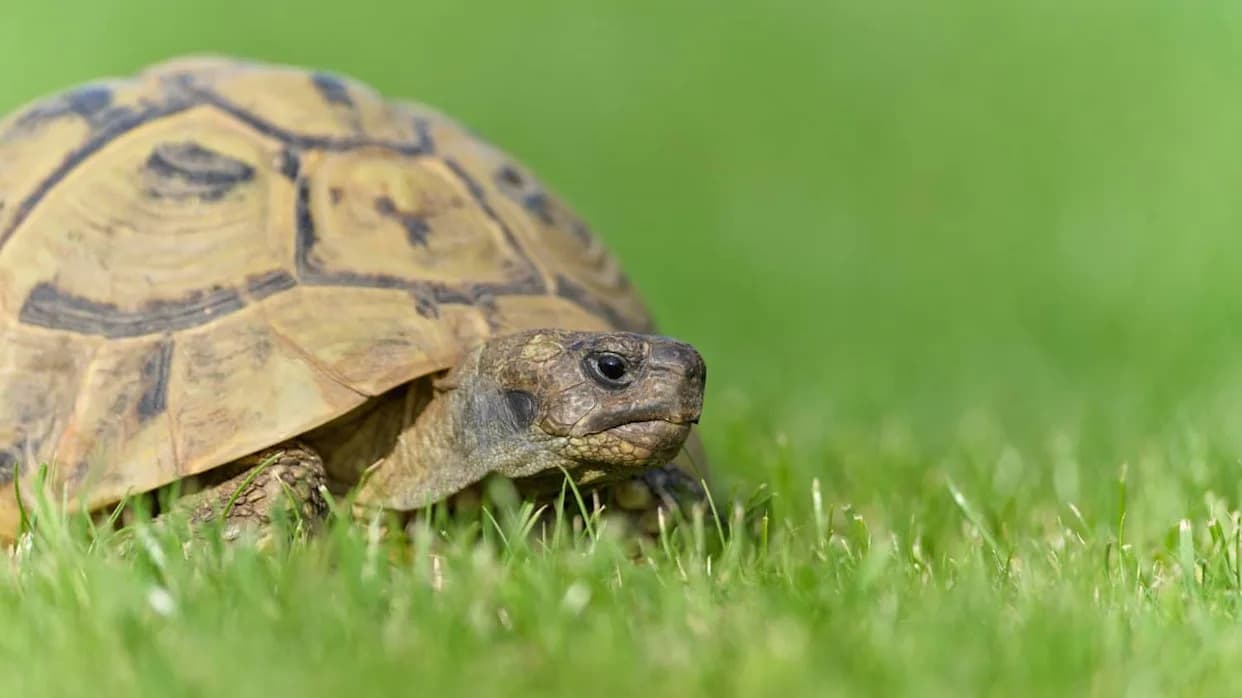
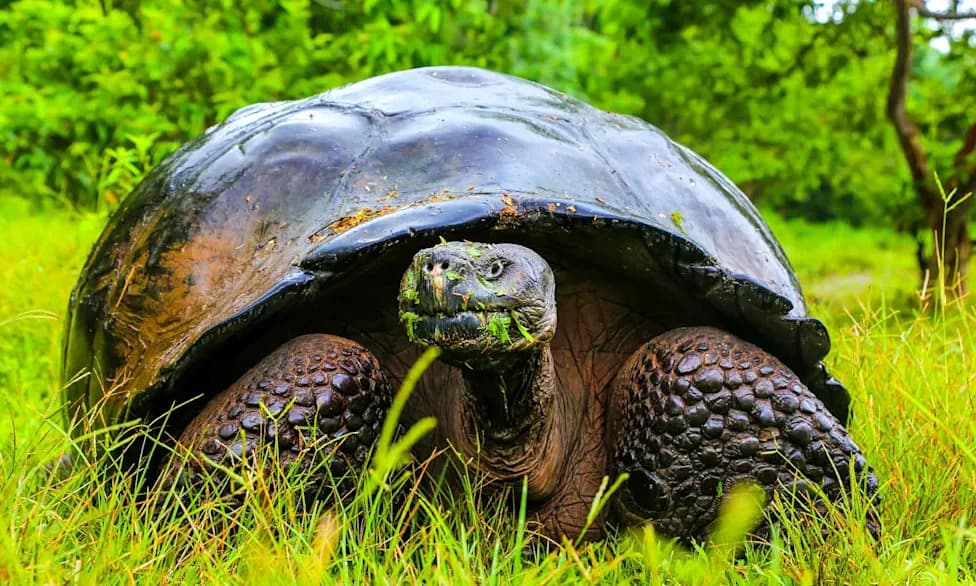
Portrait of Testudo hermanni aka Hermann's tortoise in the grass. Close-up portrait.© czjonyyy/Shutterstock.com
Hermann’s tortoises, native to parts of the Mediterranean, have established a large introduced population on the North Macedonian island of Golem Grad. Despite abundant food and no natural predators, researchers report a disturbing demographic trend: aggressive male mating behaviour and an extreme sex-ratio imbalance are driving female mortality so high that the population may collapse without intervention.
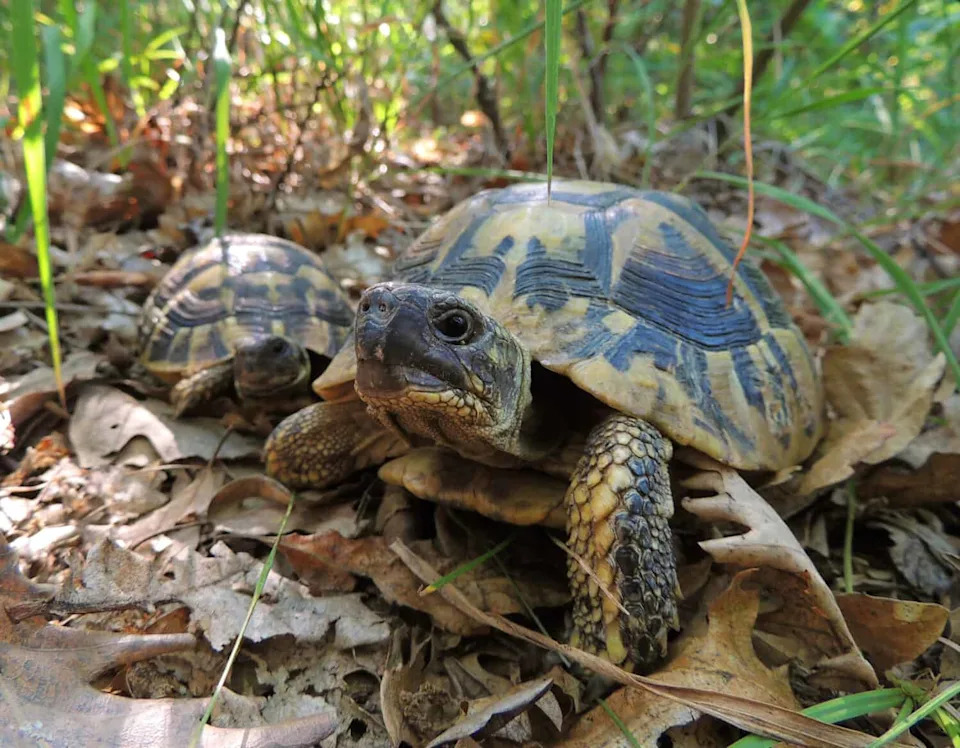
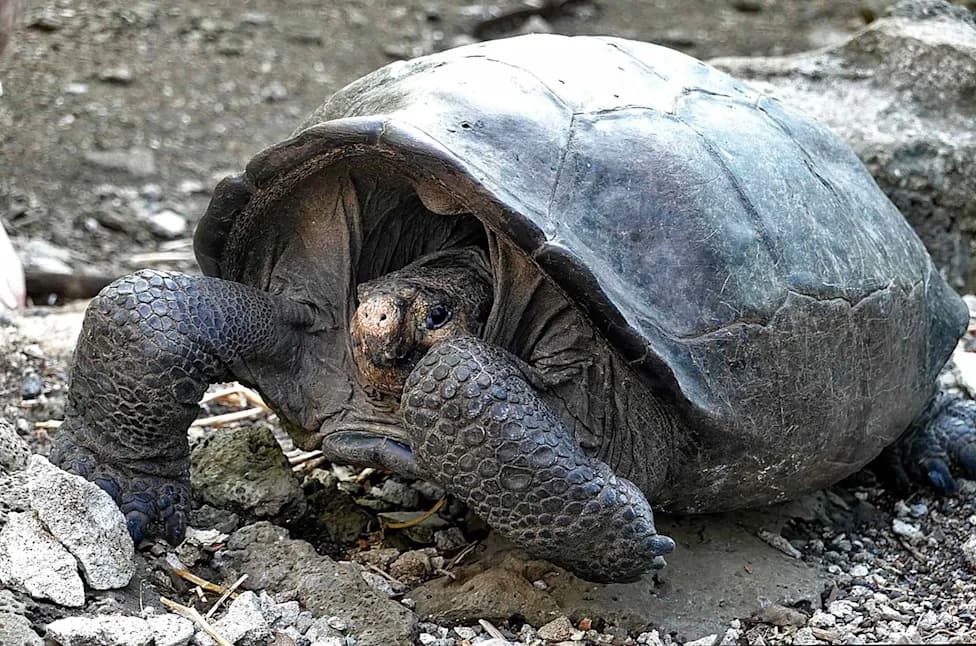
Male Hermann’s tortoises are causing the Golem Grad population to collapse by killing female tortoises.©Predrague/Shutterstock.com
What Researchers Found
A study published in Ecology Letters examined the island’s ~1,000 tortoises (fewer than 800 of which are sexually mature). The adult sex ratio is dramatically skewed—approximately 19 males for every 1 female—and female tortoises are dying at far higher rates than males. Rather than environmental threats, the primary cause is behavioural: persistent and aggressive male mating attempts that injure and sometimes kill females.
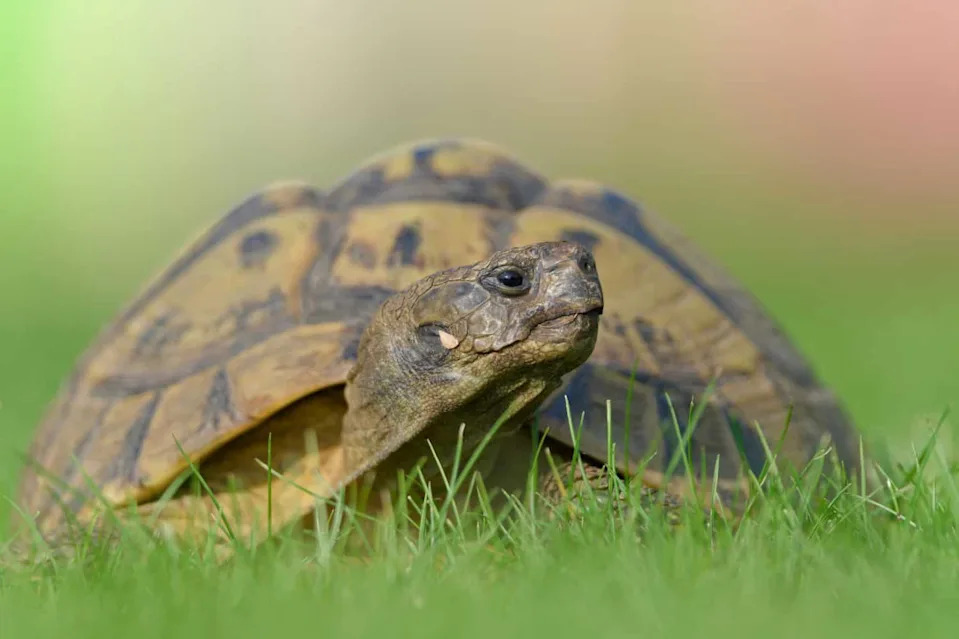
An imbalance of sex ratios and aggressive behavior is leading to demographic suicide of Hermann’s tortoises.©czjonyyy/Shutterstock.com
How Male Behaviour Harms Females
Males relentlessly pursue females across the island; females attempt to hide but are often exhausted by repeated chases. In multiple documented cases, males have forced females off cliffs, causing fatal falls that sometimes destroy eggs as well. Males have also attempted to mate with other males, rocks, or immature females — actions that can injure young females or trigger premature, dangerous egg-laying.
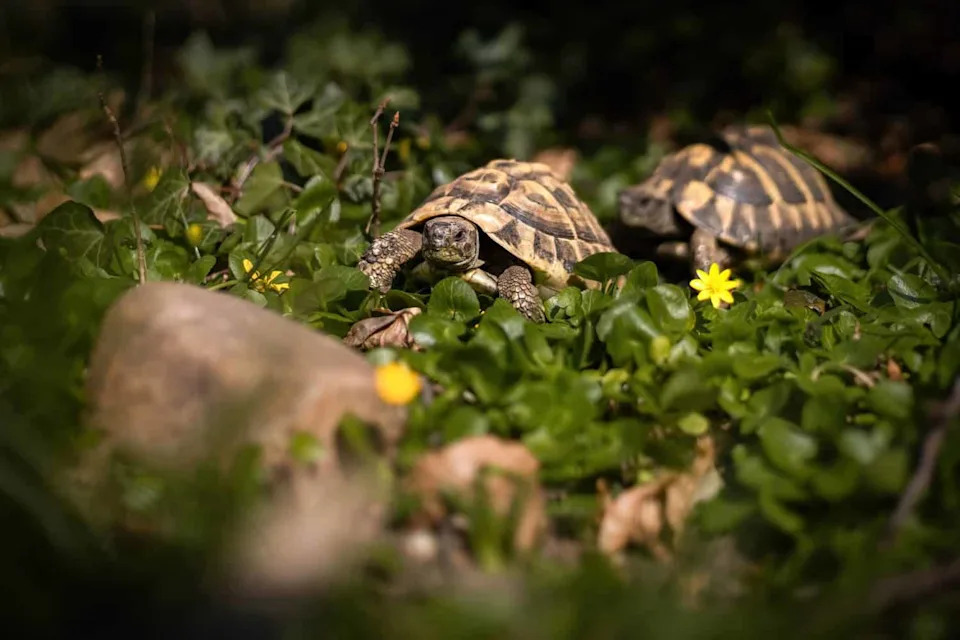
Too few female tortoises for mating has increased aggressive behavior in male Hermann’s tortoises.©Wirestock Creators/Shutterstock.com
Demographic Suicide Explained
Demographic suicide refers to a population decline driven by internal demographic or behavioural dynamics rather than by external threats like habitat loss or predation.
On Golem Grad, the surplus of males and resulting lethal harassment of females create a feedback loop: each lost female further worsens the sex ratio, intensifying competition and increasing the likelihood of additional female deaths.
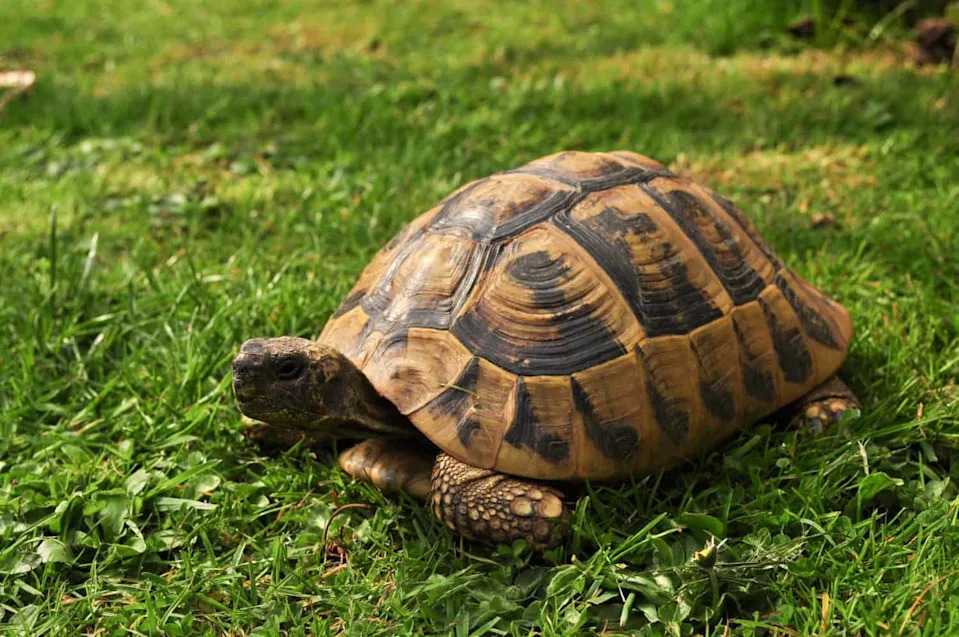
Hermann’s tortoises will eventually go extinct from Golem Grad as the females cease to exist.©Leonie Victoria/Shutterstock.com
Age Structure, Lifespan, and Projections
Age structure worsens the problem: the island’s oldest recorded male is about 60 years old while the oldest female is around 35. Hermann’s tortoises can live 50–100 years, but current conditions mean few females are surviving to old age. The study projects that, without management, females could disappear from Golem Grad by about 2083. Once females are gone, remaining males will persist only until their natural lifespans end, and the introduced population will eventually disappear.
Conservation Options
Researchers recommend active management to prevent collapse. Potential actions include:
- Translocating or introducing females to rebalance the sex ratio.
- Removing or relocating excessive males, or otherwise managing male behaviour.
- Monitoring nests and protecting vulnerable females and hatchlings from harassment.
- Public engagement and long-term demographic monitoring to assess intervention outcomes.
Although Golem Grad currently offers plentiful resources and no predators, favourable habitat alone cannot prevent a population decline caused by maladaptive social and reproductive behaviours. This case is a striking example of how internal dynamics can imperil even seemingly robust animal populations.
Help us improve.