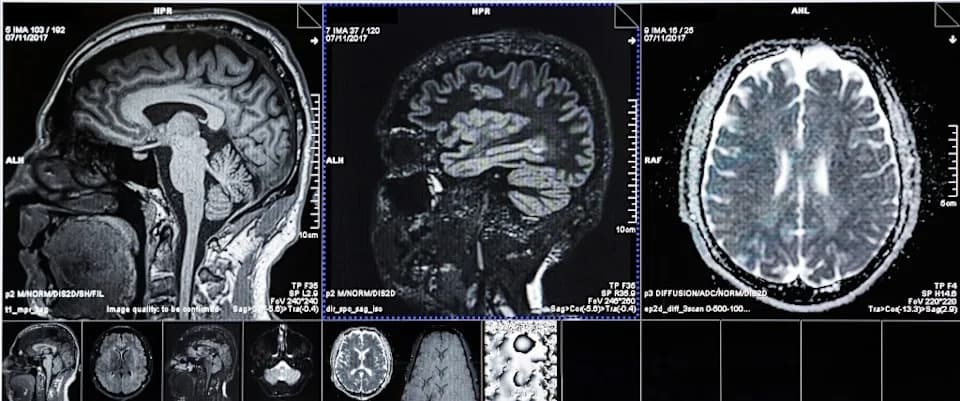
A 19-year-old in China was diagnosed in 2022 with probable Alzheimer’s disease, making him the youngest documented case meeting diagnostic criteria. His symptoms began at about 17 and progressed to severe short-term memory loss; brain scans showed hippocampal atrophy and CSF biomarkers matched Alzheimer’s pathology. A genome-wide search found no known pathogenic mutations, an unusual finding because cases under 30 are typically familial. Published in February 2023, the case highlights gaps in our understanding of early-onset Alzheimer’s and underscores the need for focused research and long-term follow-up.
19-Year-Old Diagnosed With Probable Alzheimer’s — Youngest Documented Case Raises New Questions

(koto_feja/Getty Images)
Alzheimer's disease is typically associated with older adults, but rare early-onset cases can occur decades earlier. In 2022, neurologists in China reported a 19-year-old patient diagnosed with probable Alzheimer's disease — the youngest documented case to meet diagnostic criteria for the condition so far.

Alzheimer's is today an incredibly common disease among older people, but it's comparatively rare in the young. (zeljkosantrac/Getty Images)
Clinical Presentation: The patient's cognitive decline began around age 17. Over two years he developed progressive problems concentrating, difficulty reading, frequent misplacement of items, and severe short-term memory loss that prevented him from finishing high school despite retaining the ability to live independently.

Subscribe to ScienceAlert's free fact-checked newsletter
Diagnostic Findings: Brain imaging revealed atrophy of the hippocampus, a region crucial for memory. Cerebrospinal fluid (CSF) analysis showed biomarkers consistent with Alzheimer's pathology. Formal neuropsychological testing one year after referral demonstrated profound memory deficits — the patient's full-scale memory score was 82% below peers of the same age, and his immediate memory score was 87% lower.

Patients aged 65 and older account for the vast majority of Alzheimer's disease cases. The younger a person is when they receive a diagnosis, the more likely the condition is caused by an inherited genetic mutation. (Motortion/Canva)
Genetic Investigation: Because Alzheimer’s that begins before age 30 is almost always linked to pathogenic gene mutations (familial Alzheimer’s disease), the treating team performed a genome-wide search. Researchers at Beijing's Capital Medical University did not identify any of the known early-onset Alzheimer’s mutations or obvious candidate genes in this patient.

YouTube Thumbnail
'This is the youngest case ever reported to meet the diagnostic criteria for probable Alzheimer's disease without recognized genetic mutations,' wrote neurologist Jianping Jia and colleagues.
Why This Case Matters: The previously youngest reported patient was 21 and carried a PSEN1 mutation, a well-known genetic cause of familial Alzheimer’s. By contrast, the 19-year-old had no family history of dementia and no other medical explanation (such as infection, major head trauma, or alternative neurodegenerative disease) to account for his rapid decline. That combination — extreme youth at onset plus absent known mutations — makes the case unusual and scientifically important.
Limitations and Next Steps: The authors emphasize that longer-term follow-up and additional research are needed to confirm the diagnosis trajectory and to search for novel genetic, molecular, or environmental contributors. They argue that studying atypically young patients may uncover previously unknown pathways of disease and help broaden understanding of Alzheimer’s pathogenesis.
The case was published in February 2023 in the Journal of Alzheimer's Disease. The reporting team suggested that focused investigation of early-onset cases could be an important priority for future Alzheimer’s research.
Help us improve.