Caddo Lake has long been threatened by giant salvinia, an invasive aquatic weed that chokes waterways and harms wildlife. Since 2013 a volunteer-driven program in Uncertain, Texas, has reared and released salvinia weevils (Cyrtobagous salviniae) to eat and weaken the plant. Hundreds of thousands of weevils have been deployed and several lake sections are showing recovery, though sustained monitoring and patience are still required.
Tiny Weevils, Big Impact: Community Program Helps Restore Caddo Lake
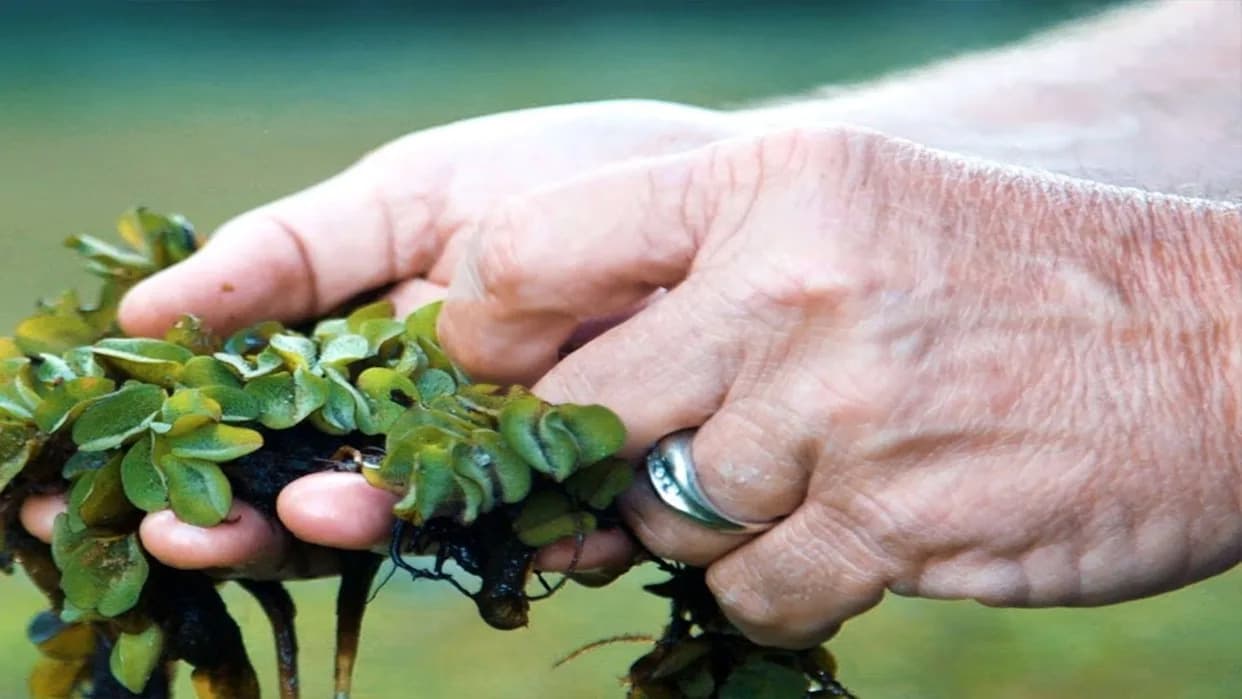
Caddo Lake, celebrated for its towering cypress trees, rich wildlife and winding waterways, has faced a long-running threat from the invasive aquatic plant giant salvinia (Salvinia molesta). First detected in Texas in the late 1990s, this fast-growing weed forms dense mats that block sunlight, reduce oxygen in the water and disrupt habitat for native plants, fish and other wildlife.
Why Giant Salvinia Is So Dangerous
On the surface, giant salvinia can look harmless—small green leaves floating on water—but it multiplies rapidly under ideal conditions and can double in size every few days. Thick mats trap boats, curtail recreation and fundamentally alter the lake’s ecological balance by shading out submerged vegetation and lowering dissolved oxygen levels.
A Natural Ally: The Salvinia Weevil
Rather than relying solely on mechanical or chemical methods, scientists and conservationists turned to a natural solution: the salvinia weevil (Cyrtobagous salviniae). This small beetle feeds almost exclusively on giant salvinia—adults graze the leaves while larvae tunnel into stems and tissues—weakening the plant and slowing its spread. As a targeted biological control, the weevil minimizes harm to non-target species when used responsibly.
Community-Driven Action in Uncertain, Texas
In 2013, local volunteers partnered with scientists to launch a community rearing program in the small town of Uncertain, Texas. Volunteers operate a greenhouse where giant salvinia is deliberately cultivated to sustain large colonies of weevils. When populations are high enough, the insects are released into infested lake areas. The program depends on community commitment—many volunteers have no formal scientific training, but their dedication has been essential to the project's progress.
Encouraging Results and Continued Work
Over the years, hundreds of thousands of weevils have been raised and released across Caddo Lake. Managers and volunteers have observed notable recovery in several sections of the lake: areas once smothered by salvinia have begun to clear, allowing native plants and aquatic life to return. While these gains are promising, managers stress that ecological recovery is gradual and requires ongoing monitoring and adaptive management.
Why This Matters
For residents, protecting Caddo Lake is as much about preserving a way of life and local heritage as it is about conserving habitat. The project is a clear example of how scientific knowledge, biological control and sustained community action can work together to address invasive species and support long-term ecosystem resilience.
Next Steps: Continued monitoring, periodic weevil releases where needed, early detection of new infestations and community engagement are all essential to keep Caddo Lake moving toward full ecological recovery.
Help us improve.