A Reddit infographic reframed the debate over solar on farmland by focusing on acreage used for corn ethanol — fuel production rather than food. Commenters argued that solar could produce far more energy per acre than ethanol and noted that farm-mounted arrays can be cheaper and more efficient than parking-canopy systems. They also highlighted agrivoltaics (e.g., sheep grazing under panels), leasing arrangements for landowners, and rooftop solar as alternatives. Correcting land-use misconceptions could speed clean-energy projects that lower costs and cut pollution.
Reddit Infographic Flips the Script: Why Some Farmland Could Yield Far More Energy With Solar
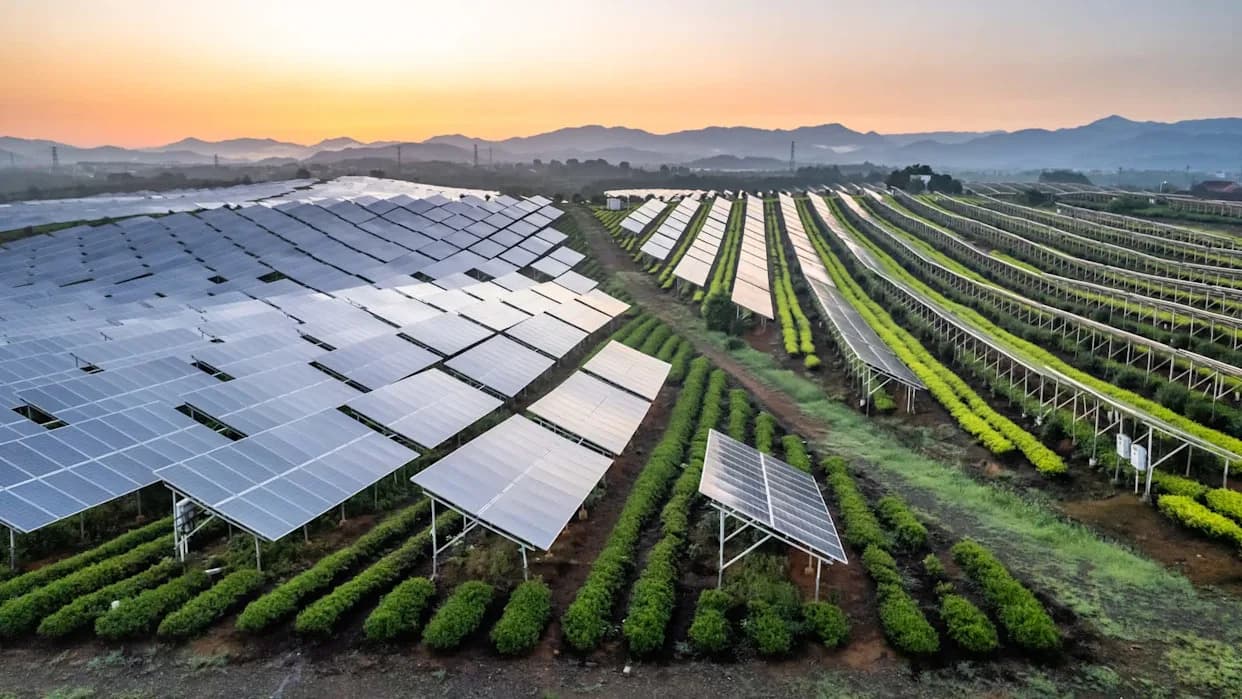
Photo Credit: iStock
A Reddit infographic has reignited debate over whether photovoltaic panels belong on farmland by reframing the issue: it’s not always food versus power, but sometimes fuel-versus-power. Commenters focused attention on acreage planted with corn grown for ethanol — land already used to produce fuel — and asked how much more usable energy those fields could generate if converted to solar.
Why This Matters
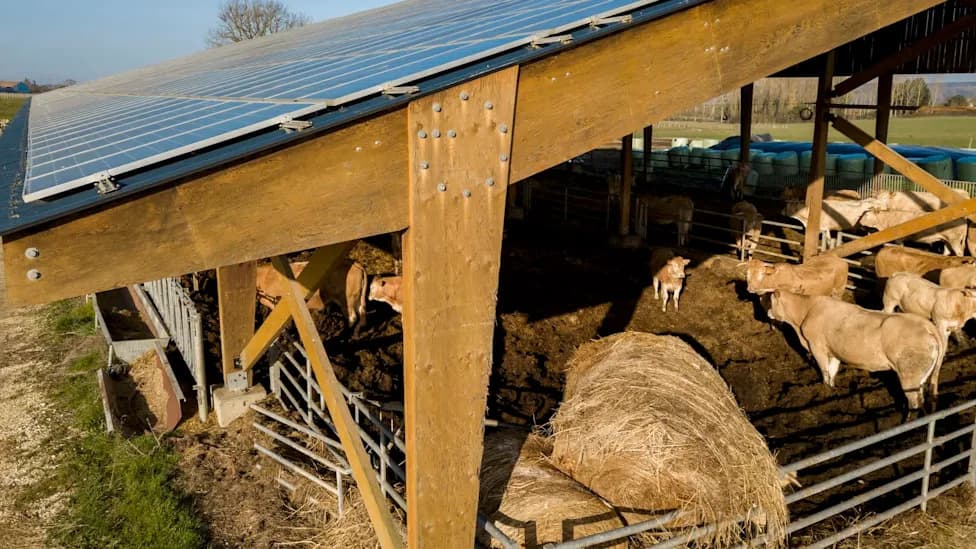
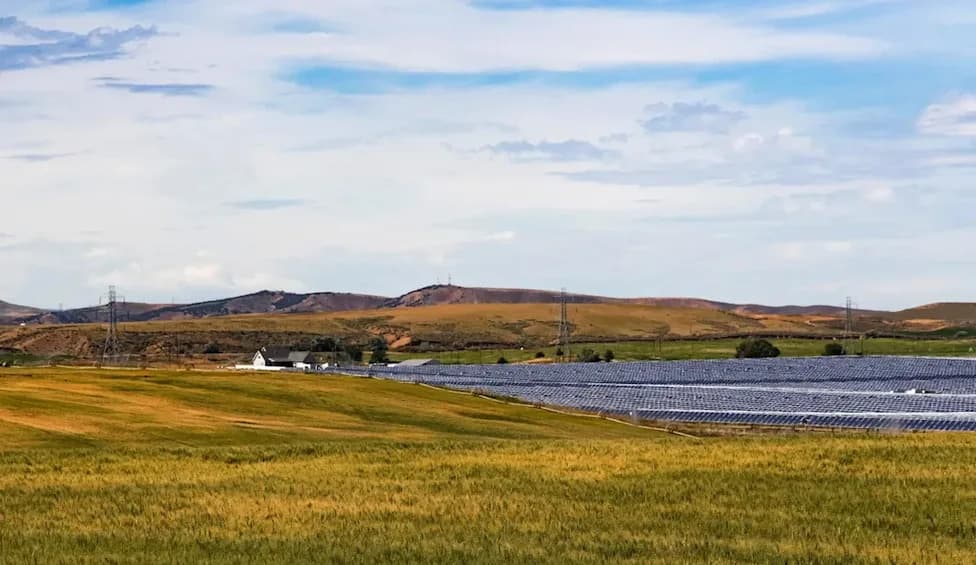
The r/solar post drew more than 900 upvotes and hundreds of comments while comparing rooftop and parking-canopy installations with ground-mounted solar on agricultural land. The infographic argues that ground-mounted farm arrays can often be cheaper and easier to build and maintain than parking-canopy systems, and that they can deliver higher energy output per acre — especially when the land beneath panels remains in productive use, such as for sheep grazing.
A Different Comparison: Ethanol Vs. Solar
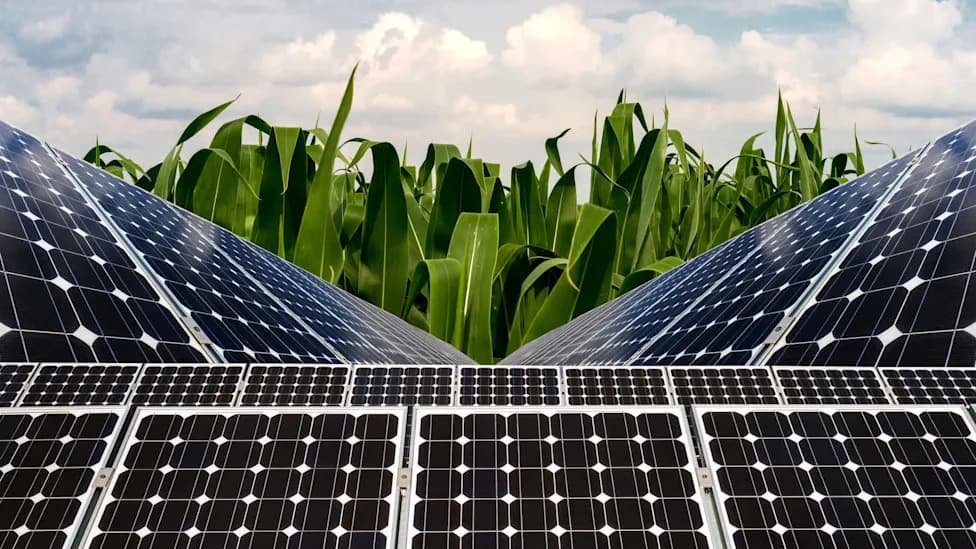
Rather than pitting panels against crops grown for human consumption, many contributors emphasized fields devoted to corn ethanol. Several commenters cited a Technology Connections video and offered rough estimates that solar could produce vastly more usable energy per acre than corn-for-ethanol — one frequently cited figure was "about 50 times more energy yearly" from solar than from ethanol production on the same land. This is a claim from the discussion, not a peer-reviewed finding, but it captures why some readers see the comparison as lopsided.
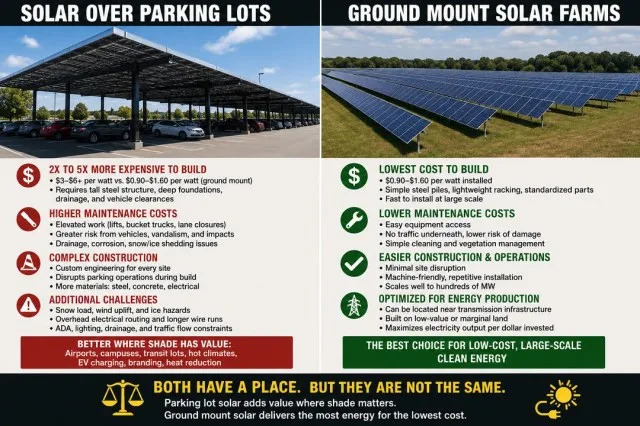
Photo Credit: Reddit
“Those solar farms produce more fuel than the ethanol from the corn produced in those fields.” — Commenter citing Technology Connections
Agrivoltaics, Leasing, And Alternatives
Commenters also highlighted agrivoltaic approaches that allow dual land use — for example, grazing sheep under panels or growing shade-tolerant plants — and said developers commonly lease farmland rather than buy it, providing landowners steady income while they retain ownership. Others pointed to rooftop solar and true parking-canopy arrays as additional options that avoid farmland use entirely.
Broader Implications
Myths about land use can slow clean-energy projects that might lower electricity costs, reduce planet-warming emissions, and improve air quality. Shifting some fuel production to solar could help stabilize energy prices and reduce pollution linked to respiratory and cardiovascular illness, while leasing models and agrivoltaics can preserve agricultural livelihoods.
Takeaway: The Reddit thread reframes the farmland debate by distinguishing food production from fuel production, highlighting that some land — particularly corn grown for ethanol — may yield far more energy if used for solar, and noting practical pathways (agrivoltaics, leasing, rooftop installs) to balance energy and agricultural needs.
Help us improve.