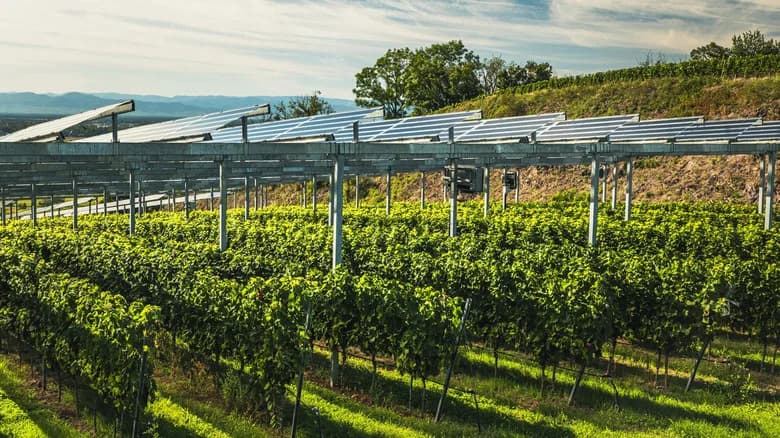
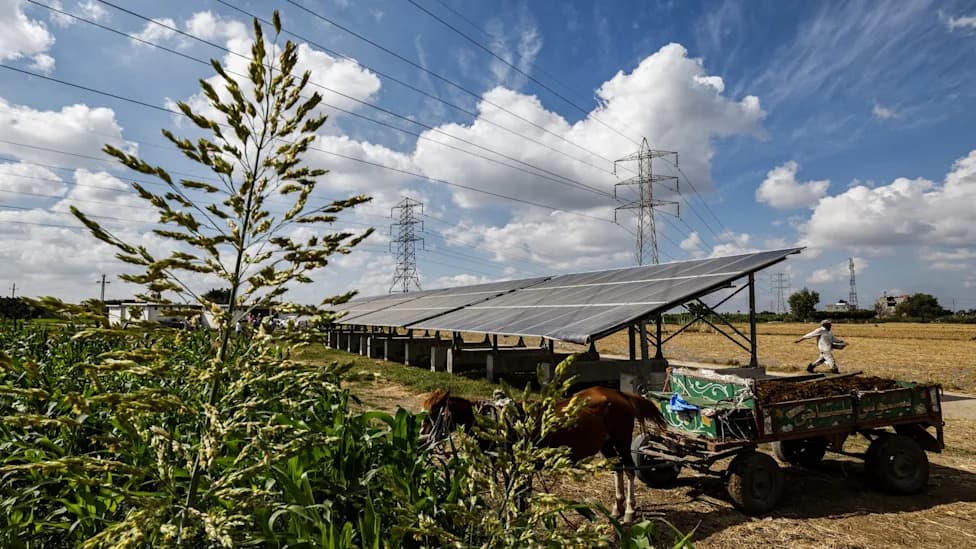
The John Czajkowski Farm in Hadley, Mass., uses 832 solar panels across 2.2 acres to grow crops beneath the array — an agrivoltaic setup. Sweet corn yields under the panels run about 80% of open-field levels but match in quality. The panels lower electricity costs, generate local tax revenue and even charge an electric van delivering produce to UMass. Local officials back efforts to expand such dual-use projects that combine food production with renewable energy.
Hadley Farm Grows Crops Under 832 Solar Panels — Sweet Corn Yields About 80%
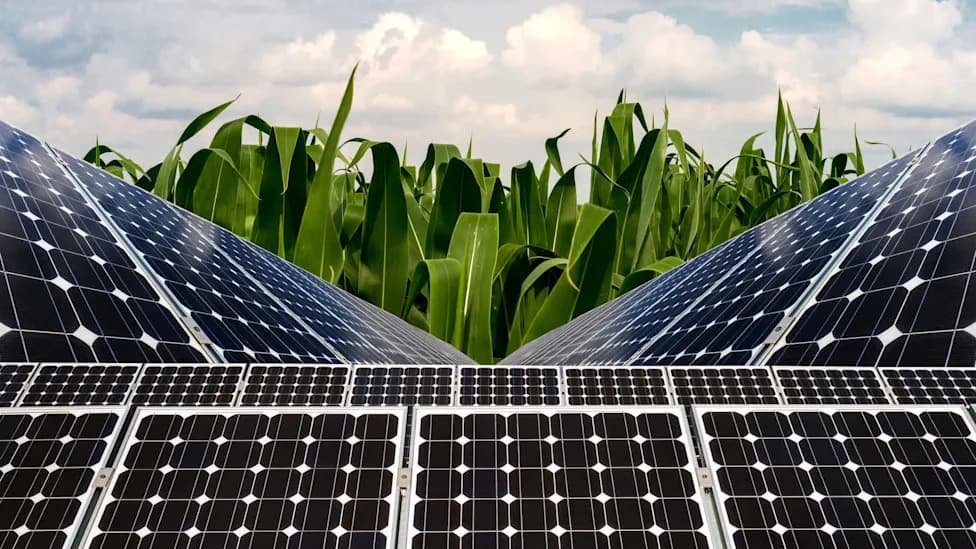
Photo Credit: iStock
The John Czajkowski Farm in Hadley, Massachusetts, has spent several years experimenting with agrivoltaics — growing crops beneath a raised solar array while also producing electricity. The farm installed 832 solar panels across roughly 2.2 acres, with panels mounted about 26 feet apart to balance shading and energy capture.
What the Farm Grows
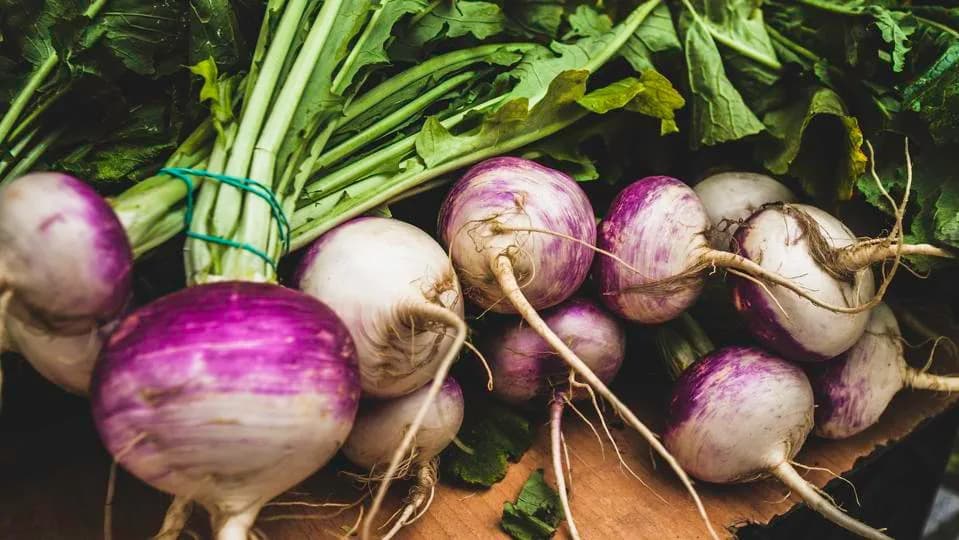
Under the array, Joe Czajkowski cultivates sweet corn, broccoli, lettuce and cilantro, and plans to add asparagus. Czajkowski reports that sweet corn grown beneath the panels yields about 80% of the open-field harvest, while matching open-field corn in quality.
Benefits Beyond Crops
Besides food production, the solar installation reduces the farm's electricity bills, generates additional property tax revenue for the town and powers an electric van that delivers produce to the University of Massachusetts. Czajkowski described the system as a practical addition to the farm: "It's worked really well for us. You shouldn't have to work too hard to convince people it's a good thing."
Environmental and Operational Upsides
Because the panels provide shade and alter airflow, they can help retain soil moisture and moderate soil and air temperatures — advantages that are especially valuable in hot, dry conditions. Unlike conventional solar farms that convert farmland exclusively to energy production, agrivoltaics keeps land in active agricultural use while adding renewable energy capacity.
Broader Context
The Hadley project is part of a growing movement to pair solar with active farmland. Examples include vegetable growers testing shaded cropland without abandoning food production, Midwest partnerships between farmers and developers to raise produce beneath arrays, projects in arid regions that protect scarce water and soil resources, and New York demonstrations pairing on-farm solar with long-term land-productivity planning.
Local Support: Massachusetts State Representative Homar Gómez, whose district includes Hadley, supports expanding programs that make it easier for farms to deploy such dual-use solar installations.
Overall, the Hadley installation illustrates how thoughtfully designed agrivoltaic systems can help farms diversify revenue, lower operating costs and expand renewable energy — while keeping farmland productive.
Help us improve.