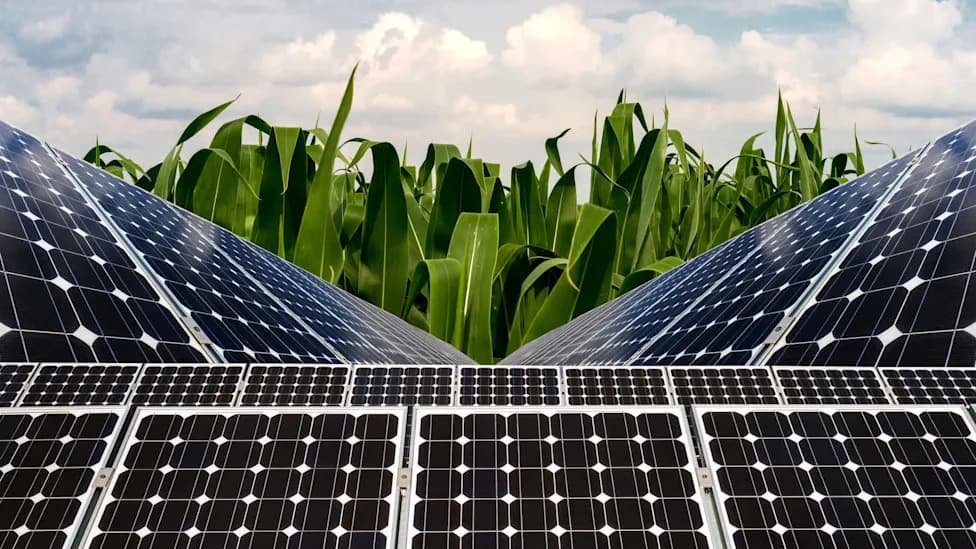
On TikTok, renewable-energy creator Bonusmoles rebutted an AI-made anti-solar meme, arguing it ignores cattle’s heavy resource demands and overlooks agrivoltaic solutions where solar and agriculture share land. The video highlighted examples of livestock grazing under arrays, noted solar’s role in built environments, and encouraged focusing on smarter siting to reduce land- and water-use conflicts. The discussion reframes trade-offs between energy and food production rather than presenting them as binary choices.
TikToker Pushes Back on Anti‑Solar Meme, Cites Cattle Water Use and Agrivoltaic Solutions
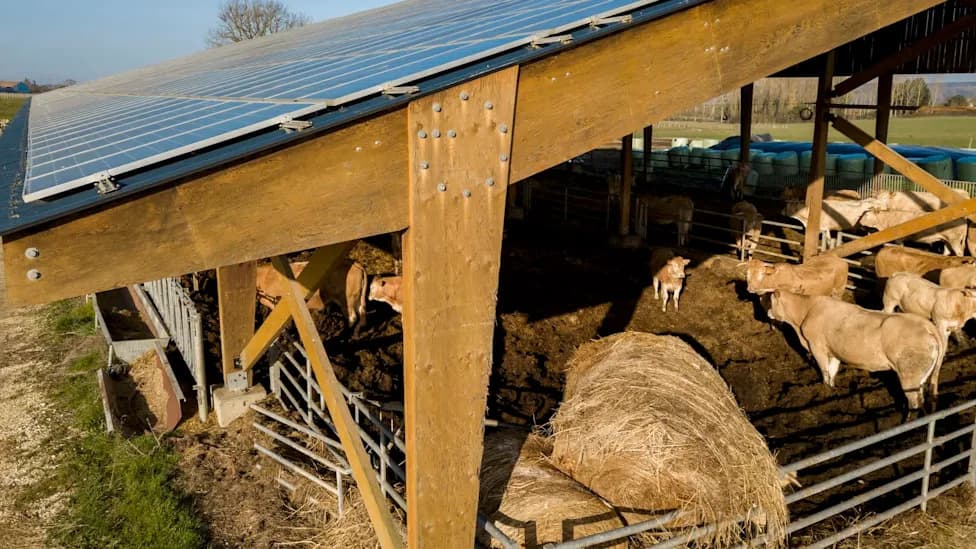
Photo Credit: iStock
One TikTok creator is challenging an AI-generated meme that set “real farms rebuild the earth” against “vegan solar farms” that supposedly “wreck ecosystems,” arguing the image leaves out major resource trade-offs and the ways solar can coexist with agriculture.
What Bonusmoles Said
Renewable-energy commentator @bonusmoles posted a video pushing back on the meme, saying it “is not based in reality at all.” The creator’s core argument: solar development and farmland are not automatically in conflict, and the post ignores the environmental costs of modern cattle production.
On Water Use
Bonusmoles emphasized the water demands of beef production and argued that cattle operations exert heavy pressure on regional waterways. The creator stated that “cattle are the biggest source of water usage in the United States by an insanely huge margin,” framing that as part of why the meme’s comparison is misleading. Estimates of water use depend on the metrics and scope used, but agricultural water demands—where livestock and irrigation are both factors—are a central part of the broader debate about resource allocation.
Agrivoltaics: Dual Use of Land
Another key point: some solar installations are deliberately designed to share land with grazing or crops, an approach known as agrivoltaics. Elevated panels can provide shade, while livestock such as cows or sheep graze beneath arrays and help manage vegetation—reducing mowing needs and potentially improving land efficiency.
“It’s actually been proven time and time again that cattle and solar can coexist peacefully,” Bonusmoles said, noting similar findings for other livestock.
Where Solar Makes Sense
The video also noted that in places where grazing isn’t practical—such as desert environments—solar can still deliver benefits. Panel shade can create microhabitats that help smaller animals avoid predators and extreme conditions, and solar in built environments avoids competing with farmland altogether.
Practical Examples
- Ranchers reporting cows grazing successfully beneath solar arrays.
- Sheep kept beside panels on grazing sites showing unexpectedly improved wool outcomes.
- Solar installations on cropland that maintain or enhance field productivity.
- Vegetable growers experimenting with panel layouts to support certain crops.
- A Texas project where pairing sheep with panels reduced mowing and maintenance needs.
Public Reaction and Broader Takeaway
Commenters also pushed for maximizing rooftop and parking‑lot solar so energy expansion does not compete with productive farmland. One viewer summed up the community sentiment: “Every warehouse, parking lot, and large retail store should be covered in panels and we’d be gucci.”
Ultimately, the exchange reframes how we think about land- and water-use trade-offs in energy and food systems, suggesting that smarter siting and dual-use approaches can reduce conflict between solar deployment and agriculture.
Help us improve.