The University of York analysis finds Sweden’s Conservation Performance Payment scheme — which has paid 200,000 SEK per documented wolverine reproduction since 2002 — is losing effectiveness as its real value has roughly halved and climate-driven changes are making track monitoring harder. Regions such as Norrbotten have seen steep declines in documented reproductions. The Sami Parliament argues that fair compensation would be 480,000 SEK, far above the government’s small 2024 increase.
Sweden’s Once-Praised Wolverine Payment Scheme Is Losing Its Bite, Researchers Warn
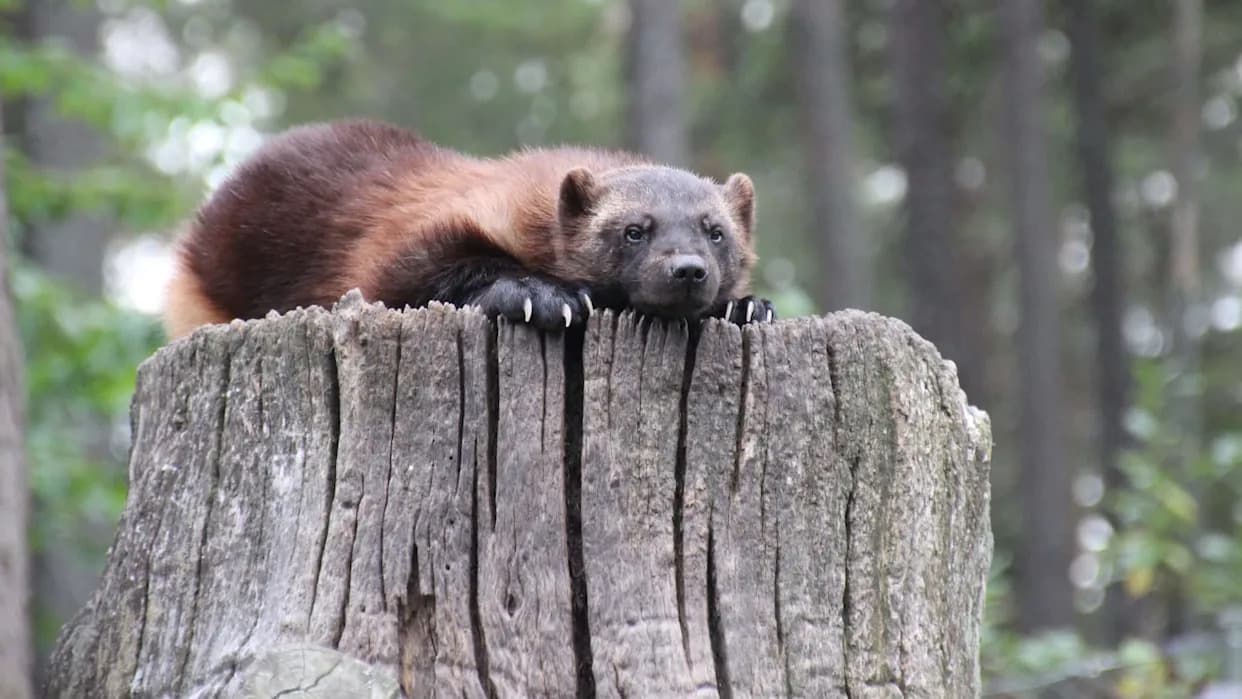
Photo Credit: iStock
A program long held up as a global model for human–wildlife coexistence is showing signs of strain. A new analysis by researchers at the University of York, published in Conservation Letters, finds that Sweden’s Conservation Performance Payment scheme — which paid Sami reindeer herders for each documented wolverine reproduction — is no longer delivering the sustained results that earned it international praise.
The scheme rewarded documented wolverine reproductions with a fixed payment of 200,000 SEK (about $21,348) per litter, a mechanism designed to give reindeer herders a financial incentive to tolerate a predator that can threaten livelihoods. Early on, the approach helped wolverine numbers rebound in some regions and became an influential example of payments for coexistence.
Why the Program Is Unraveling
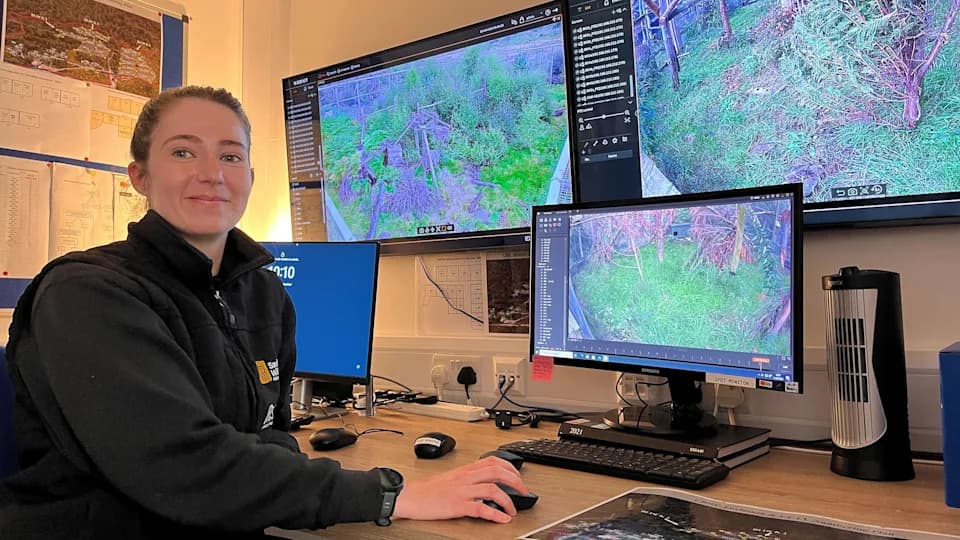
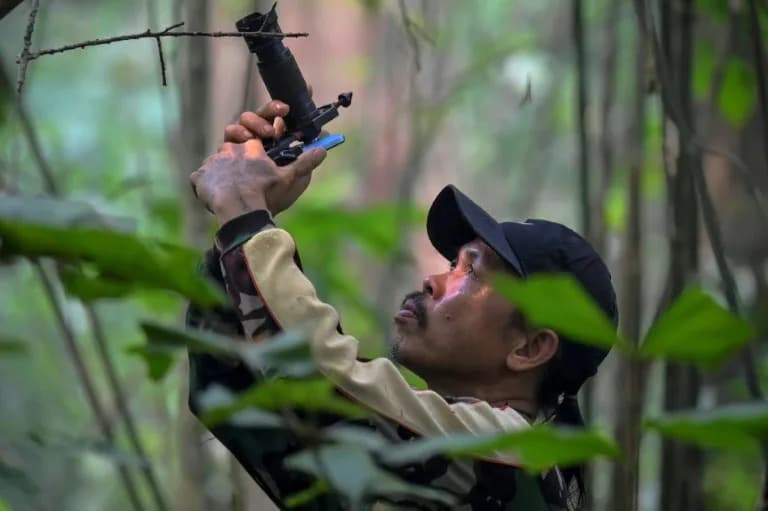
Researchers say two related problems have eroded the scheme’s effectiveness. First, the payment level has been unchanged since 2002, while the costs of reindeer husbandry and local meat prices have increased. Adjusted for those changes, the real value of the payment has roughly halved, weakening the compensation’s perceived fairness. Second, climate-driven changes in snow and ice conditions have made wolverine tracks harder to find and reliably document — undermining the monitoring system on which payments depend.
"If a government fails to adapt payments to rising costs of coexistence, the burden is shifted onto local, often marginalized, communities, who in this case are already straining," said Dr. Hanna Petterson in the paper’s press release.
Local Impacts and Political Tension
The study highlights Norrbotten county as an illustrative case: in the early 2000s it accounted for roughly two-thirds of Sweden’s documented wolverine reproductions under the scheme; today it contributes less than one-third and frequently misses conservation targets. The shift both reflects changing ecological conditions and signals weakening local buy-in.
The Sami Parliament has stated that legally compliant compensation would need to be at least 480,000 SEK (about $51,236) per documented reproduction. By contrast, the Swedish government’s 2024 increase of 25,000 SEK (roughly $2,668) is modest and, researchers say, insufficient to restore the payment’s real value.
Lessons for Conservation Policy
The authors frame the program’s decline as a cautionary tale: early conservation success does not guarantee long-term protection without sustained, adaptive support. Payments and monitoring systems need periodic revision to reflect changing economic realities and environmental conditions. Otherwise, the costs of coexistence are effectively shifted to the local communities — in this case, the Indigenous Sami — undermining social justice and the long-term viability of recovery efforts.
Recovering threatened species is possible, the paper emphasizes, but sustaining those recoveries requires ongoing commitments that adapt to rising costs and a changing climate.
Help us improve.