Local MP Josh Fenton-Glynn has opposed a proposed 34-turbine wind farm on Walshaw Moor, warning that construction on peatland could release large stores of carbon and undermine net zero goals. The developer, Calderdale Energy Park, says turbines are sited on shallow peat and that removed peat will be reinstated, estimating around 3 million tonnes of carbon avoided over the asset’s life. A University of Aberdeen study cautions that disturbing deep peat (up to 5,000 tonnes of carbon per hectare) can accelerate CO2 emissions. The project — scaled back from 61 to 34 turbines — would power about 198,000 homes for 25 years and will be decided by Energy Secretary Ed Miliband as an NSIP.
MP Warns Walshaw Moor Wind Farm Could Release Carbon From Peat — Debate Intensifies Ahead Of June Consultation
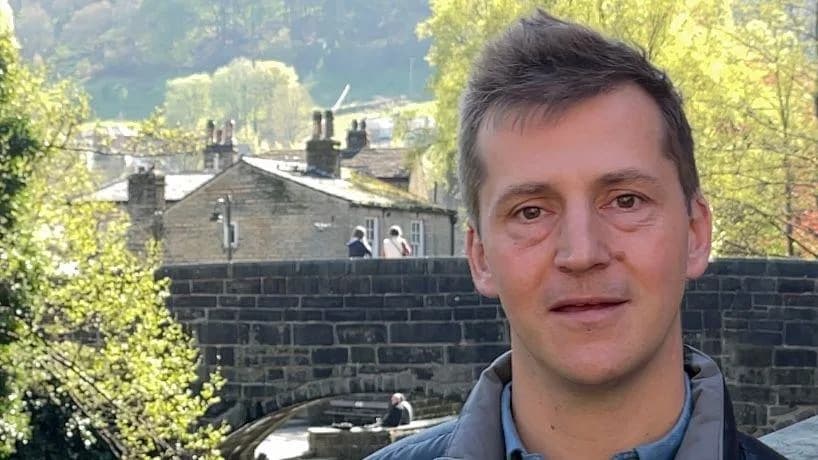
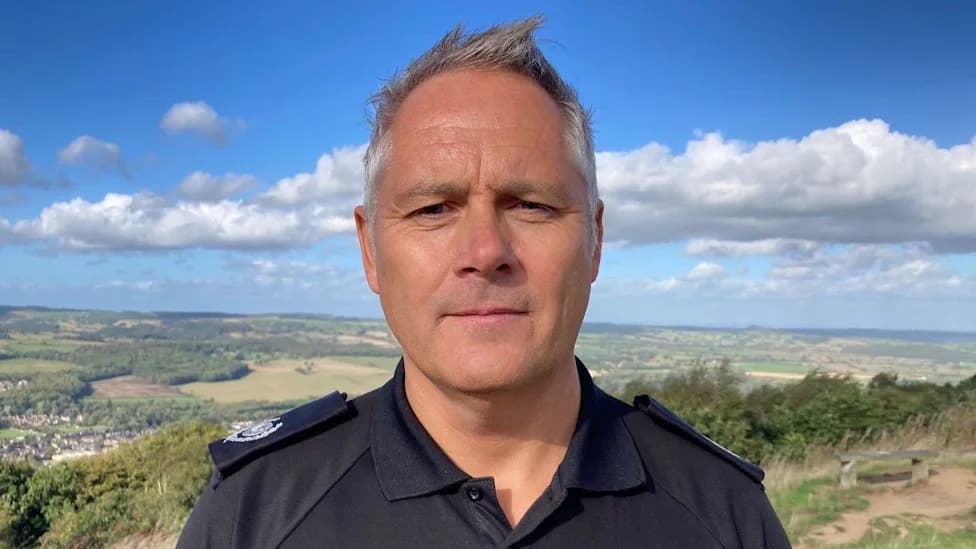
Calder Valley Labour MP Josh Fenton-Glynn warned of the risk to peatland [BBC]
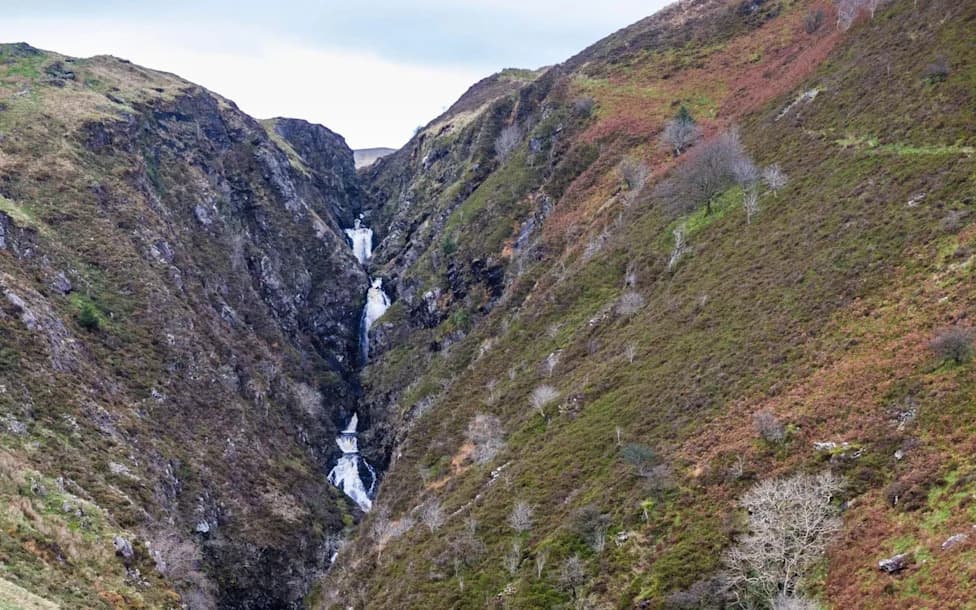
Plans to build one of England’s largest onshore wind farms on Walshaw Moor above Hebden Bridge have sparked a heated debate over the climate impact of constructing on peatland.
What’s proposed
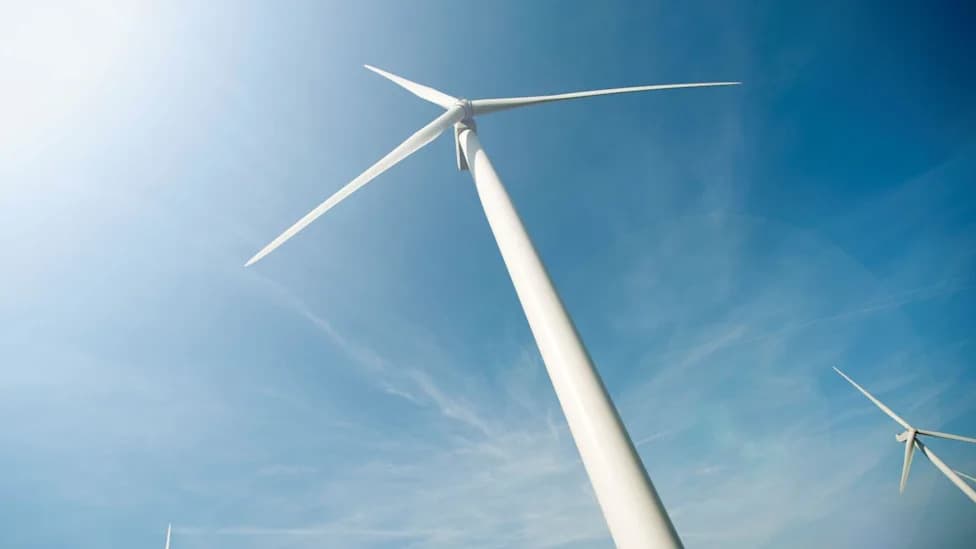
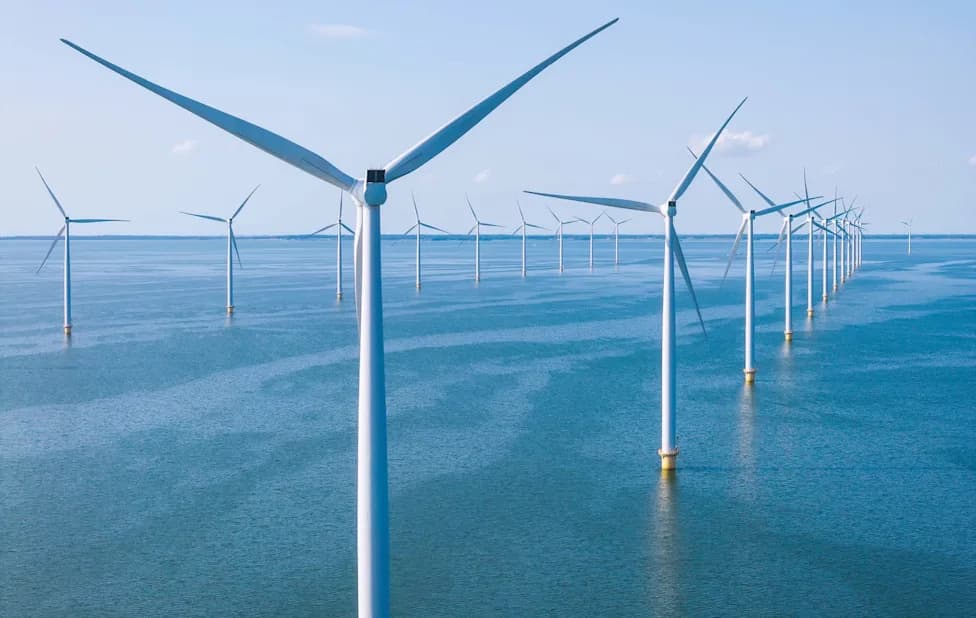
Calderdale Energy Park is proposing a 34-turbine wind farm on Walshaw Moor, with each turbine around 200m (656ft) tall. The developer says the scheme would generate enough electricity for about 198,000 homes and operate for approximately 25 years. A public consultation runs until 10 June 2026.
Local politicians raise peatland concerns
Josh Fenton-Glynn, Labour MP for Calder Valley, has opposed the plan, arguing that disturbing peatland could release substantial carbon and jeopardise the UK’s net zero targets. He said:
"I do believe in net zero, but I don't think we're going to get there by digging up carbon-rich peat."
Fenton-Glynn invoked the government’s own language comparing peatland to the Amazon, noting peat can store far higher carbon densities and warning that construction on deep peat risks outweighing the climate benefits of the turbines.
Developer response
Christian Egal, project director for Calderdale Energy Park, says site selection prioritised areas where peat is shallow. He added that any peat removed during construction would be reinstated locally and that lifecycle savings from replacing fossil-fuel generation would more than offset construction emissions. Egal said the scheme would avoid around 3 million tonnes of carbon over its operational life.

Robbie Moore, Conservative MP for Keighley and Ilkley, is also opposing the wind farm [House of Commons]
Research and environmental risks
A recent study by the University of Aberdeen warned that one hectare of peatland can contain up to 5,000 tonnes of carbon, which may be released if peat is disturbed. Researchers explain that deeper peat stores more carbon and that excavation can accelerate peat decomposition and drainage; as peat dries and oxidises, large quantities of CO2 can be emitted.
Other local objections and landscape impact
Conservative MP Robbie Moore (Keighley and Ilkley) also opposes the plans. He and other critics say construction — including foundations, cabling and access roads — would disturb peat, harm local habitats and spoil views from tourist destinations such as Haworth.
Decision process and next steps
Because the site is designated a Nationally Significant Infrastructure Project (NSIP), the final decision will be taken by Energy Secretary Ed Miliband, rather than by Calderdale Council planning officers. Calderdale Council and Bradford Council have both said they will submit technical responses to the consultation by the closing date.
Background and timeline
The scheme has already been reduced in scale from earlier proposals of 61 turbines and then 41 turbines to the current proposal of 34. The consultation period closes on 10 June 2026, after which responses will inform the NSIP decision process.
This article summarises the competing claims: MPs and researchers warn that peat disturbance would release carbon and undermine climate targets, while the developer argues careful siting and peat reinstatement will ensure net carbon savings over the wind farm’s life.
Help us improve.