UK Prime Minister Andy Burnham pledged to meet the country's net zero target by 2050 and announced nearly £30 million for community-led "People's Power" renewable projects. He framed the green transition as an opportunity to reindustrialise Britain and lower household bills by expanding domestic clean energy. The pledge follows a Commons committee recommendation to drop the phrase "net zero" amid public scepticism and comes as decisions on the Jackdaw and Rosebank North Sea projects could test the commitment.
Burnham Pledges To Hit Net Zero By 2050, Announces Nearly £30M For Community Renewables
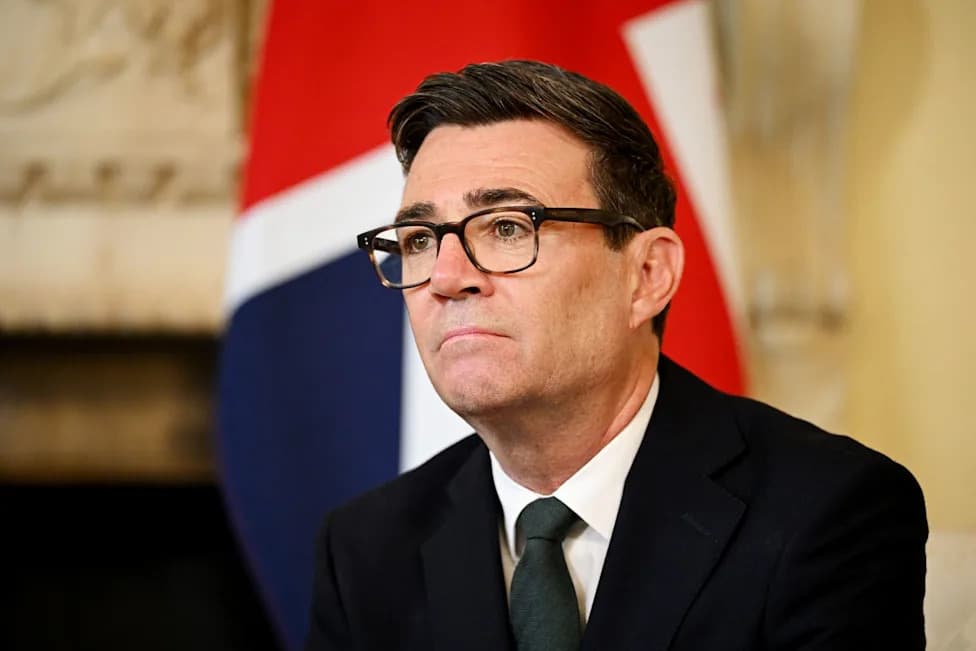
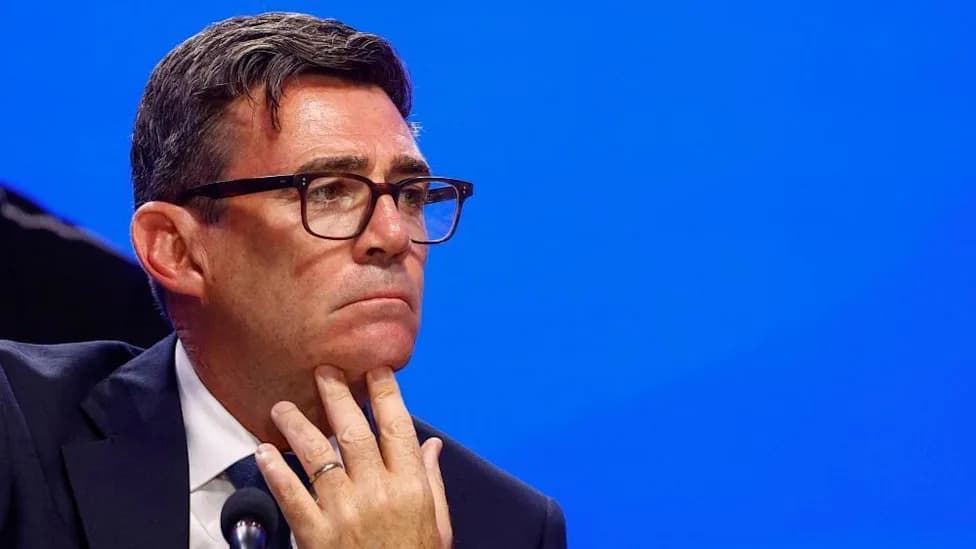
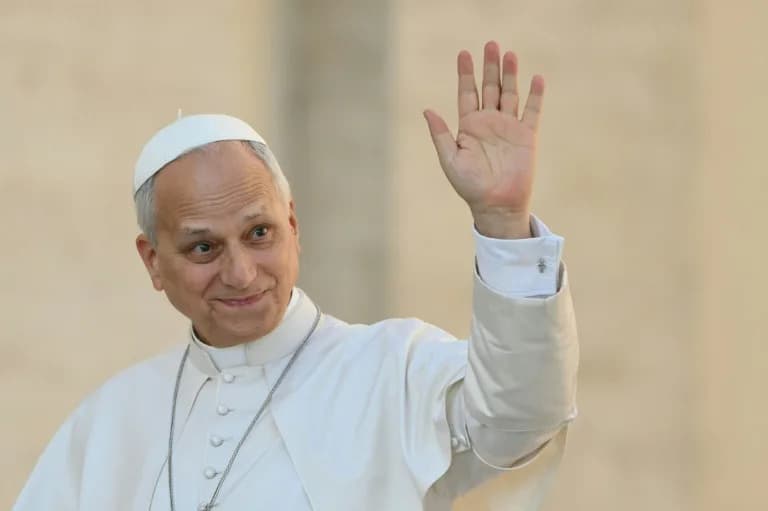
FILE PHOTO - UK Prime Minister Andy Burnham during a bilateral meeting with French President Emmanuel Macron at 10 Downing Street, London. (is associated with: «UK's Andy Burnham 'determined' to reach net zero by 2050») Leon Neal/PA Wire/dpa
British Prime Minister Andy Burnham has reiterated his commitment to reaching net zero emissions by 2050 while unveiling almost £30 million ($40 million) in funding for community-led renewable energy schemes.
Commitment and Funding
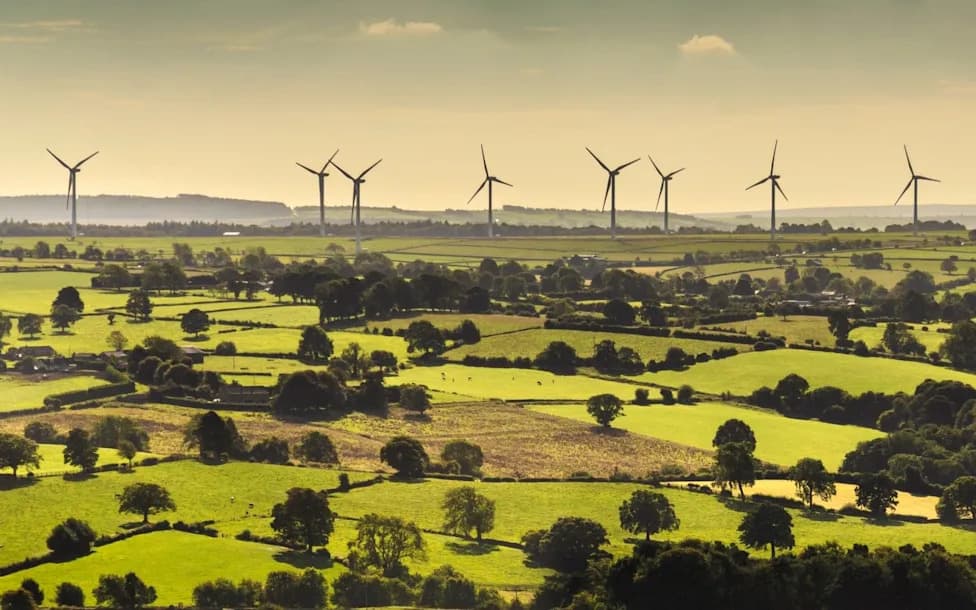
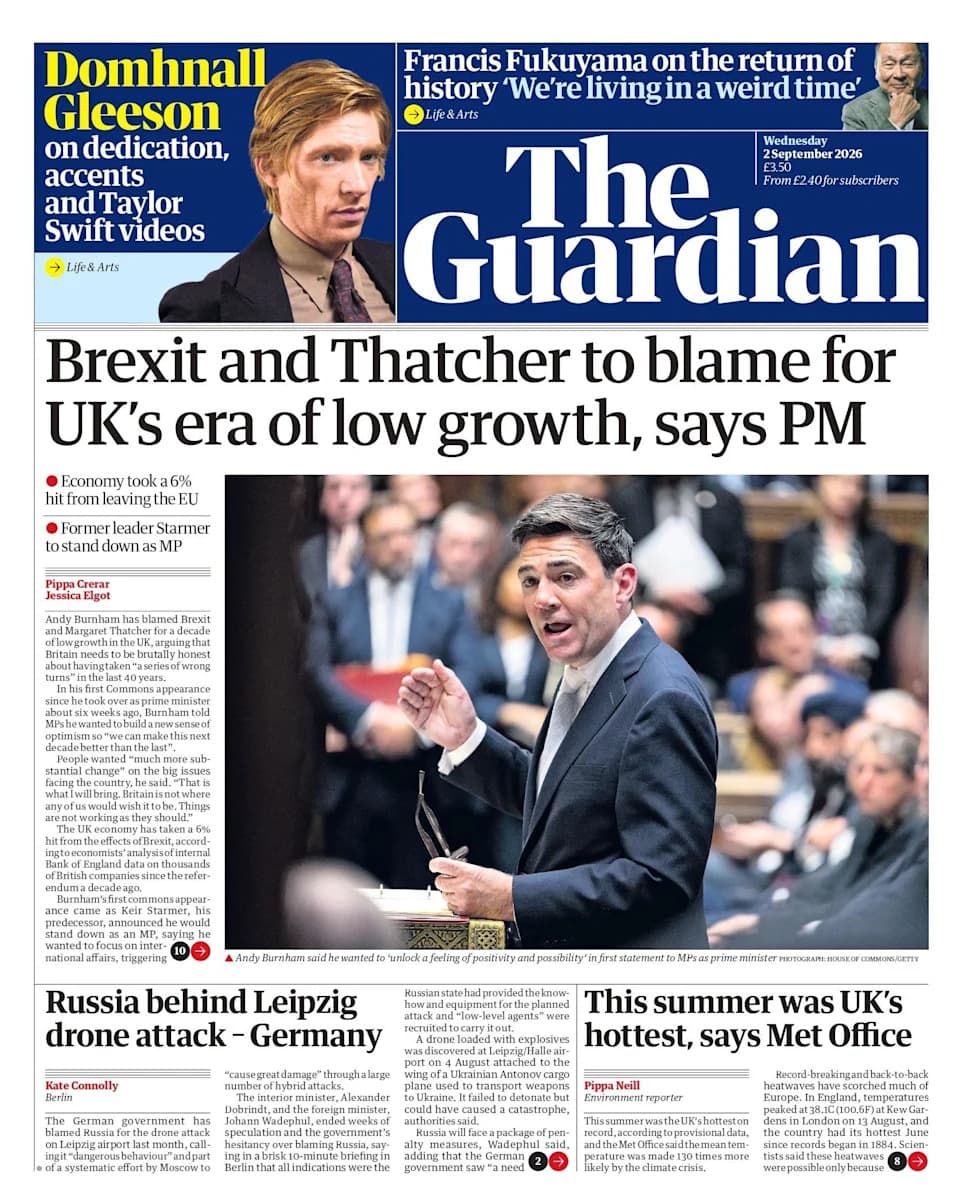
In an opinion piece for The Guardian, Burnham said he was "acutely aware" of public anxiety about climate change after a summer of record heat, and described the green transition as "the best chance we will ever have to reindustrialise Britain." The announced funding — for so-called "People's Power" projects — is designed to help communities develop, own and operate local clean-energy generation.
"The only lasting way to bring down bills is to produce more of our own clean, renewable energy at home," Burnham wrote. "I am determined that we meet the commitment on which Labour was elected and reach net zero by 2050."
Political And Practical Context
The pledge follows recommendations from the cross-party Commons Energy Security and Net Zero Committee to stop using the phrase "net zero" in official communications, arguing it has become politically toxic and distracts from the practical goals of the transition. The committee urged clearer, more persuasive communication about the benefits of clean energy and adaptation measures.
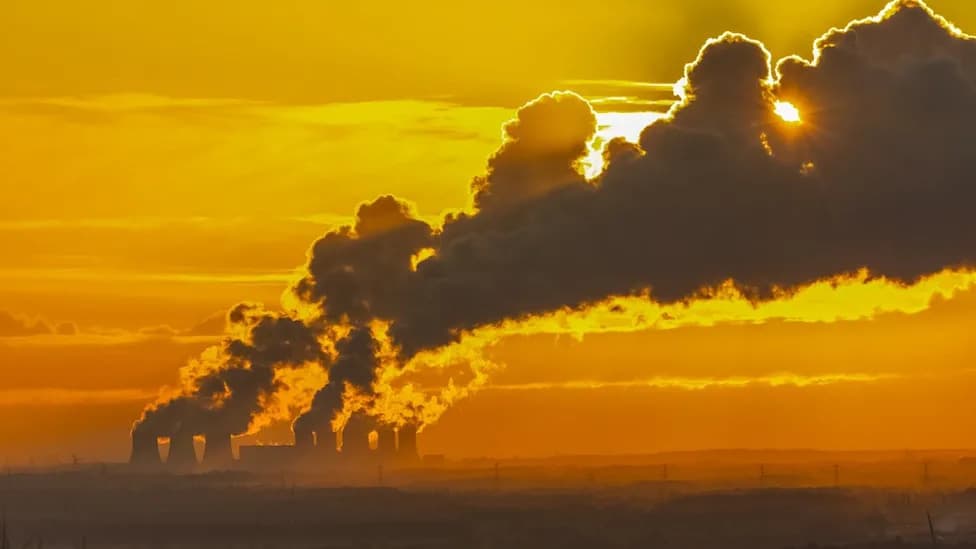
Burnham stressed the need for adaptation across transport, housing and energy production, noting that provisional Met Office figures suggested 2026 was the UK's hottest summer on record — a factor that sharpened public concern about climate risks.
Pressure Over North Sea Projects
His statement comes as the government faces pressure over whether to approve new North Sea developments, including the Jackdaw and Rosebank oil and gas fields. Climate campaigners are urging the prime minister to block these projects, while the oil and gas industry and some opposition politicians argue they would create jobs and help reduce energy costs. Approving one or both fields could complicate the government's pathway to net zero.
Political Split And Communications Challenge
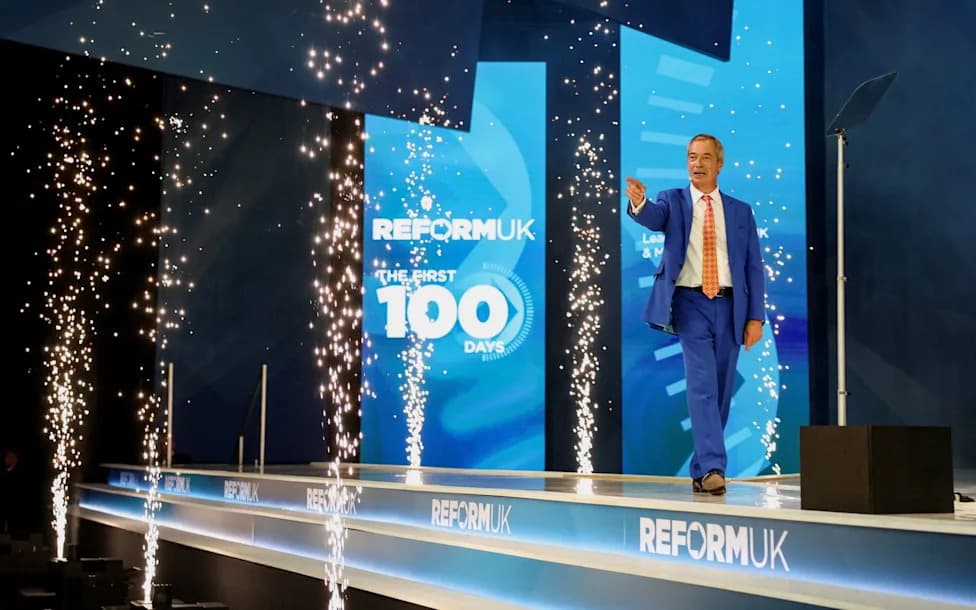
There is a clear political divide: Conservative figures such as Kemi Badenoch and parties like Reform UK have publicly distanced themselves from the 2050 net zero target, framing it as economically harmful. Meanwhile, renewable entrepreneurs and campaigners, including Dale Vince, have echoed the committee's view that the phrase "net zero" has been "toxified" and argued for framing the transition around the economic gains of a "green economy."
The government now faces the dual task of balancing near-term energy security and affordability with long-term decarbonisation goals, while improving how it communicates those choices to the public.
Help us improve.