Lawmakers in Michigan and Pennsylvania have spread an unfounded claim that Frito‑Lay refuses potatoes from fields that once hosted solar panels. PepsiCo denies any blanket ban, and experts say there is no evidence that aboveground solar arrays contaminate underground potato crops. Agrivoltaics research, including a four‑year Italian study, suggests potatoes can benefit from partial shade and improved moisture retention under panels. Misinformation may discourage farmers from leasing land to solar developers, threatening a valuable income source.
Lawmakers Repeat False Claim That Solar Farms Make Potatoes Unsellable — Evidence Says Otherwise
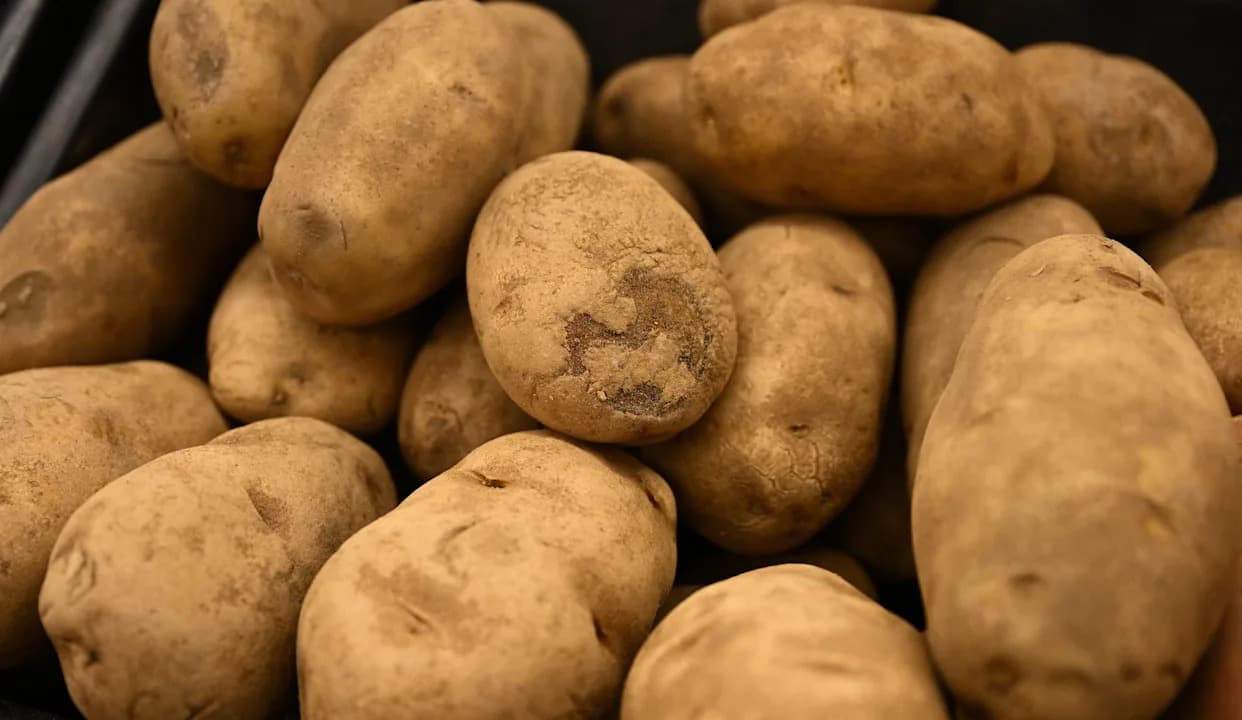
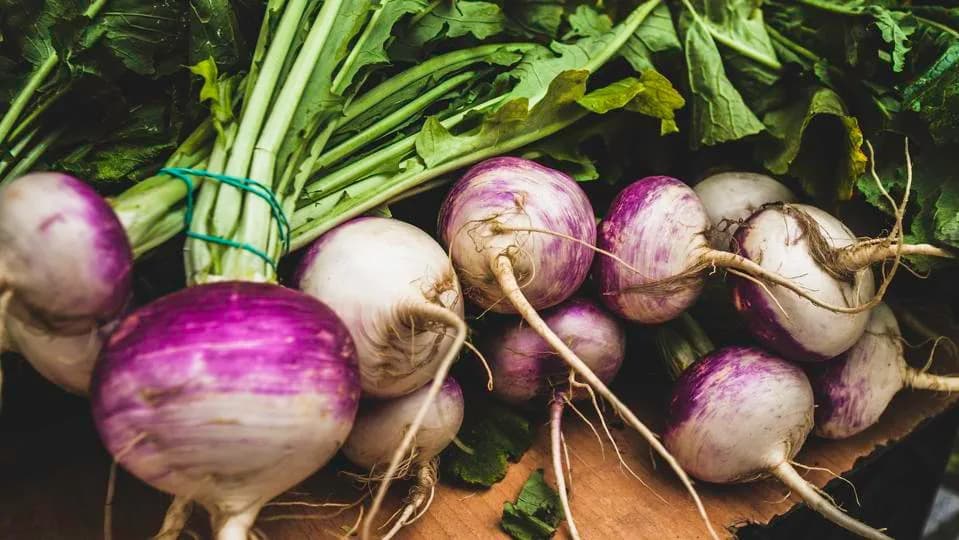
Lawmakers in Michigan and Pennsylvania have circulated an unfounded claim that major buyers like Frito‑Lay refuse potatoes grown on land that once hosted solar panels. PepsiCo, which owns Frito‑Lay, says it has not issued any blanket guidance banning potatoes from former solar sites. Experts and peer-reviewed research provide no evidence that aboveground solar arrays contaminate underground potato crops; in fact, agrivoltaics studies indicate potatoes can sometimes benefit from co‑location with solar panels.
What Lawmakers Claimed
In January, Michigan Republican Rep. Cam Cavitt posted a short video—viewed by more than 1 million people—citing fellow Rep. Dave Prestin’s claim that "Any field that had solar panels installed on it will never be allowed to grow potatoes for human consumption due to the leaching." Pennsylvania Republican Sen. Cris Dush shared the clip and urged requirements to guarantee soil restoration after solar removal.
What Companies and Experts Say
PepsiCo told reporters it "has not issued blanket guidance to growers that fields with solar installations will not be accepted." The company says it has, when asked by growers, expressed a preference for siting new utility‑scale solar outside of prime agricultural land to avoid potential impacts — but it has not enacted a categorical ban.
Researchers interviewed for this article — including Steven Loheide, a civil and environmental engineering professor at the University of Wisconsin–Madison, and Alan Knapp, a plant ecologist at Colorado State University — said they are not aware of evidence that solar panels aboveground cause toxins or fragments to contaminate tuber crops underground.
"I’ve never heard of any sort of toxicity issues or any concerns about the quality of the crop being consumed by humans being impacted by the installation of solar panels above," said Alan Knapp.
Origins And Spread Of The Claim
The concern appears to have started with a statement from the Potato Growers of Michigan, which warned that small fragments of plastic or metal could remain after solar systems are removed, potentially posing a contamination risk for tuber vegetables. That speculation was repeated in public comments opposing projects and at a March 2026 Michigan House Agriculture Committee hearing.
Despite the lack of evidence, the claim has been amplified online and in local hearings, sometimes morphing into a specific but false assertion that Frito‑Lay has a blanket policy rejecting potatoes from former solar sites.
Agrivoltaics And The Evidence
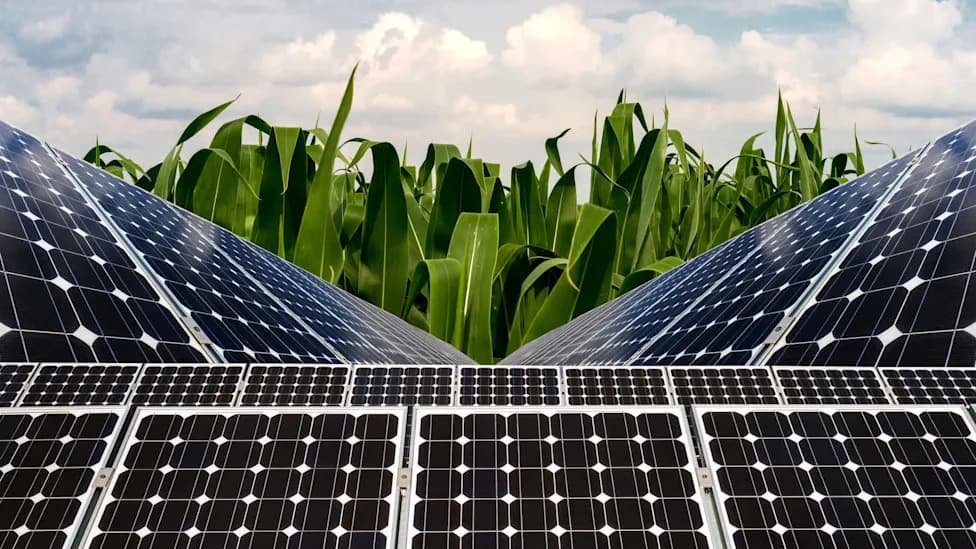
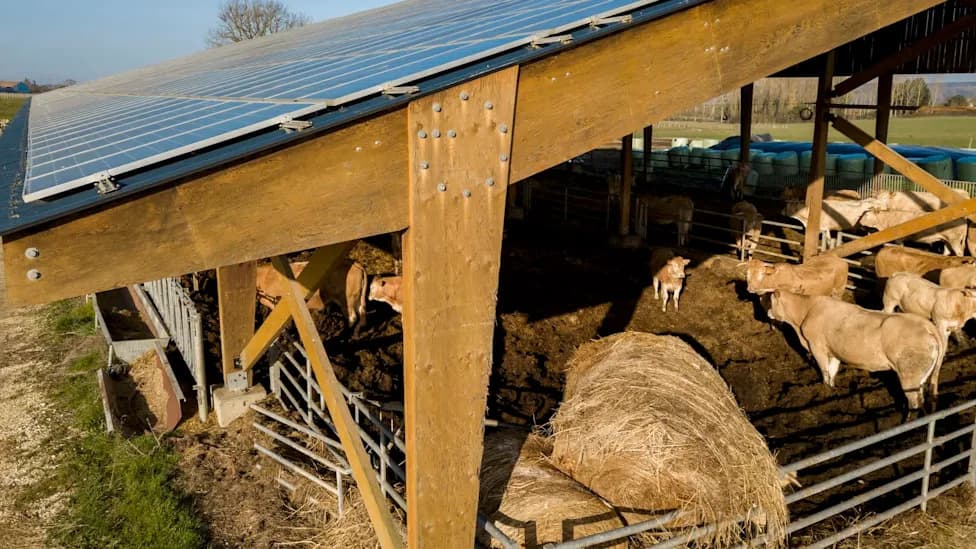
Emerging agrivoltaics research shows potential benefits from combining solar panels with crop production. A recent four‑year study in Italy found that agrivoltaic systems can potentially support potato production by moderating sunlight and helping retain soil moisture as rain runs off sloped panels. Loheide and other researchers note opportunities to pair energy and agriculture on the same land to boost both yields and clean energy output.
Economic Stakes For Farmers
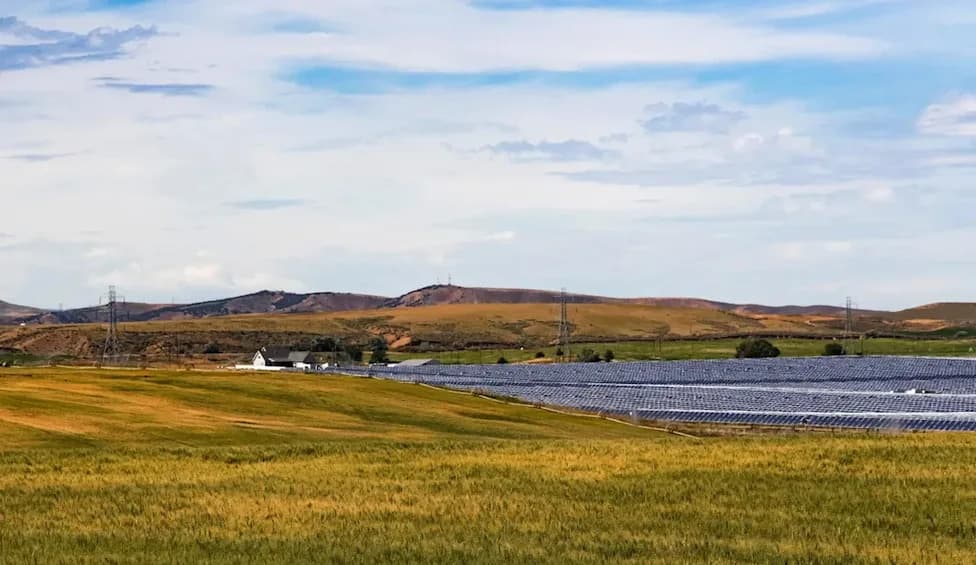
Leasing land for solar development can provide tens of thousands of dollars of steady income for farmers and help stabilize operations in a volatile market. Experts warn that unsubstantiated food‑safety claims could discourage farmers from taking lease offers, harming livelihoods and rural economies.
Conclusion
Current public evidence does not support the claim that aboveground solar arrays render potatoes unsellable. While responsible siting — avoiding prime crop land and planning for proper decommissioning — is important, portraying solar as an inherent food‑safety threat to tuber crops contradicts available science and risks undermining both renewable deployment and farmers' economic opportunities.
Help us improve.