A Washington think tank finds Ghana offers practical lessons for negotiating Chinese-backed power projects. Between 2013 and 2020 Ghana delivered five solar, hydro and gas plants with Chinese partners at reasonable cost, on better timelines and with fewer quality issues. The report recommends setting clear cost benchmarks, using competitive tenders, hiring expert negotiators and strengthening construction oversight, and stresses host governments must lead on terms and delivery.
Ghana’s Playbook: How to Get Better Results From Chinese-Backed Power Projects
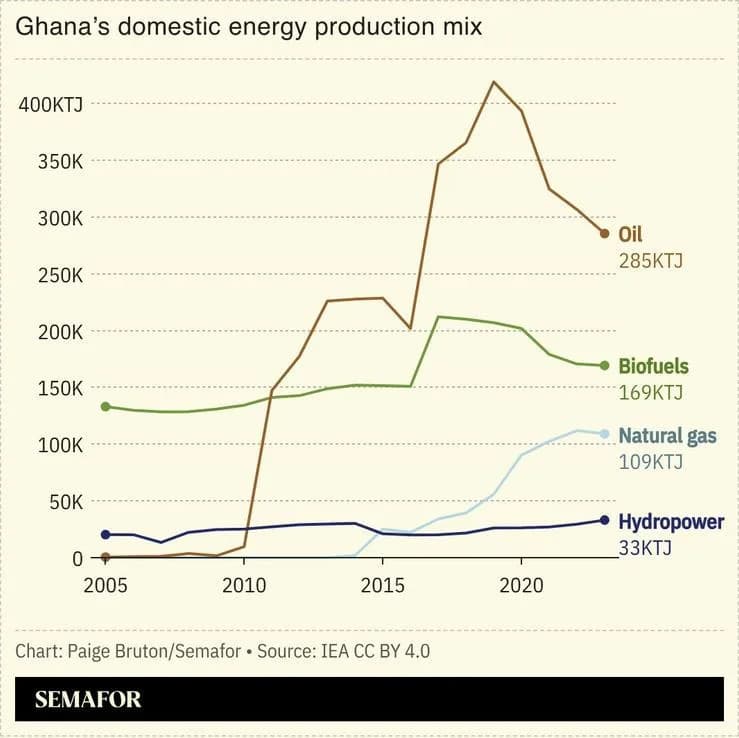
A chart showing Ghana’s domestic energy production mix.
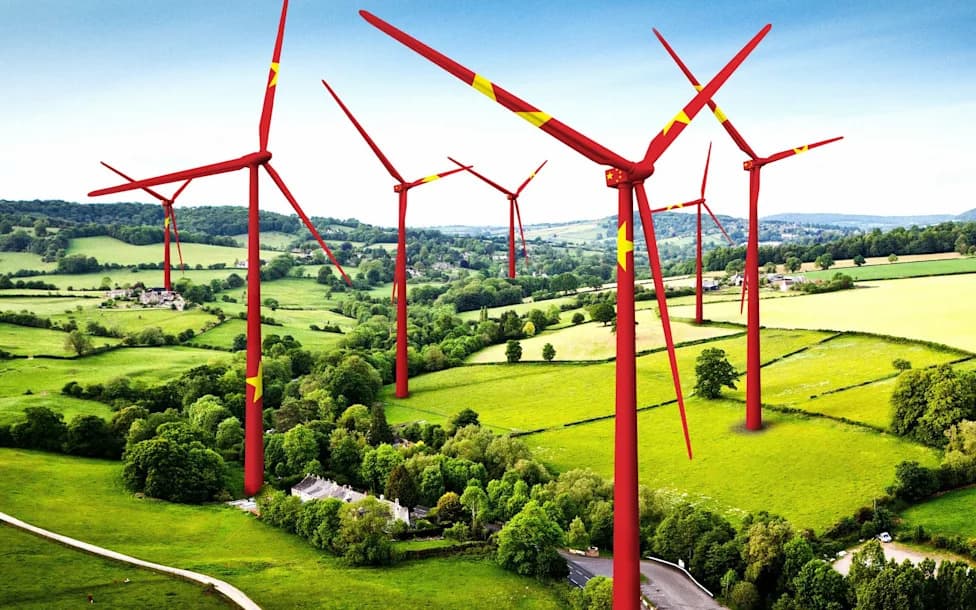
A new report from the Washington-based think tank Energy for Growth Hub argues that other African countries can secure stronger outcomes from Chinese-supported power projects by following Ghana’s example.
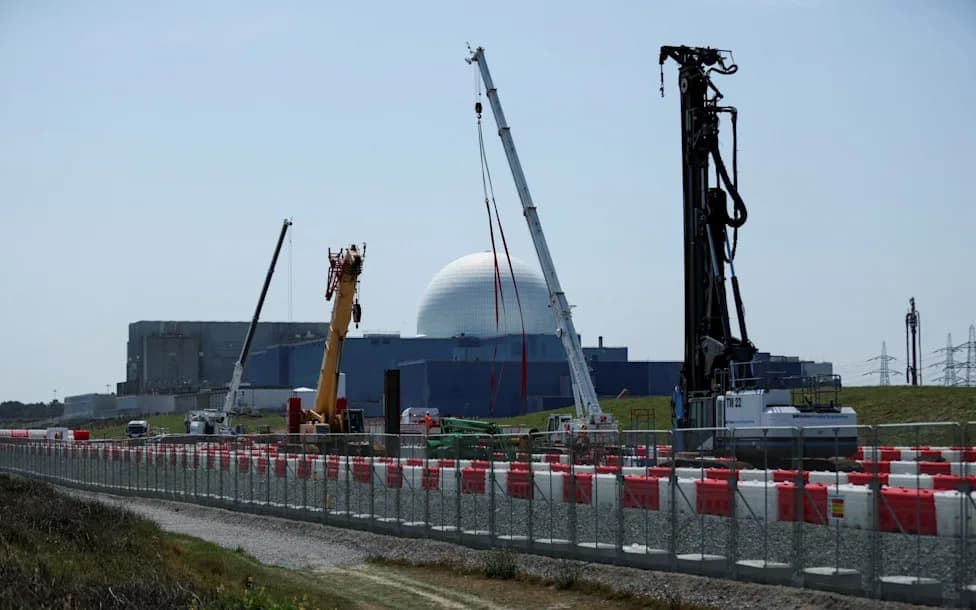
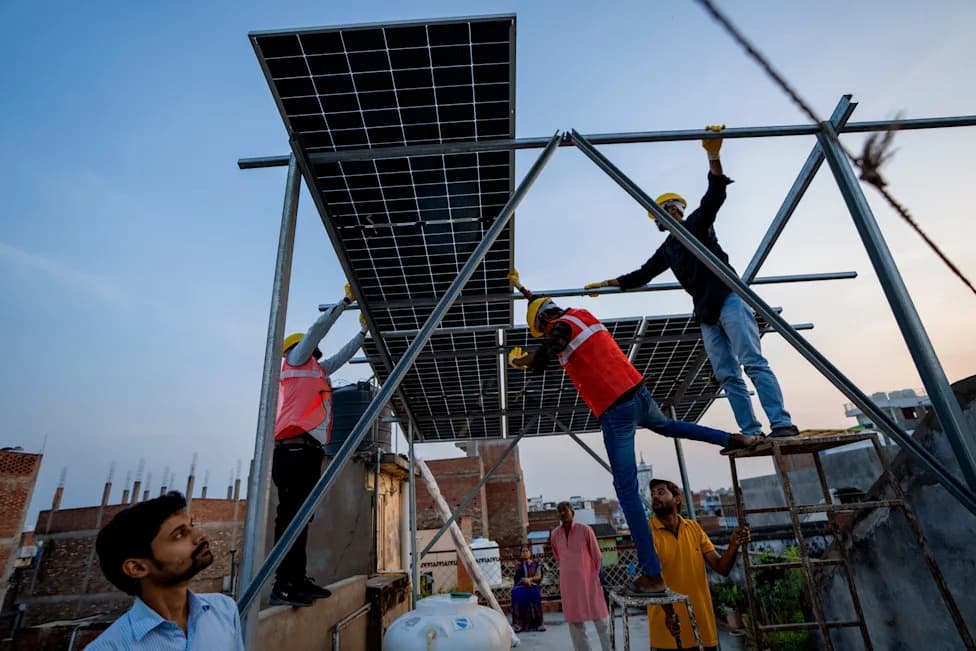
Between 2013 and 2020 Ghana completed five China-partnered energy projects — spanning solar, hydro and gas — that the report says were delivered at reasonable cost, adhered more closely to timelines, and experienced fewer quality problems than comparable projects in the region.
Four Practical Lessons
The report highlights four concrete steps Ghana took that other host governments could adopt:
- Set Clear Cost Benchmarks — Establish realistic, transparent cost targets up front so governments can assess bids and avoid overpaying.
- Use Competitive Tendering — Open, competitive procurement helps drive better pricing and accountability.
- Hire Experienced Negotiators — Skilled negotiators help shape fair contracts that protect the host government’s interests.
- Invest in Construction Oversight — Strong project management and quality control during construction reduce delays and defects.
"The host government, which often owns the asset and carries the debt, must drive the terms, standards, and delivery," the report notes.
Ghana’s experience illustrates that the presence of Chinese financing and contractors does not preclude good outcomes — but outcomes improve when the host government sets clear standards and enforces them throughout procurement and construction. The report recommends that governments integrate these practices into future negotiations to achieve more reliable, cost-effective energy infrastructure.
Help us improve.