The Gambia has faced rolling blackouts since June, with outages of 12–48 hours disrupting businesses, hospitals and water supplies and sparking protests ahead of the December 5 elections. The government says a taskforce is meeting daily and has promised a 24-MW generator in Brikama by the end of October and a 50-MW solar plant in Soma. The crisis, blamed on high demand, import constraints and technical problems, is straining livelihoods across the country.
Gambia's Businesses Reel as Prolonged Blackouts Spark Protests and Threaten Livelihoods
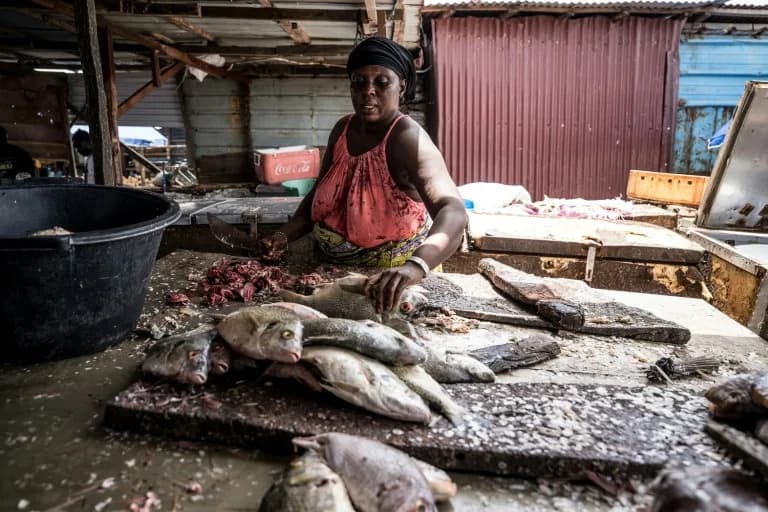
Sirah Darboe-Manneh, 31, a fishmonger and mother of six, cleans fish in Tanji, The Gambia (MUHAMADOU BITTAYE)
In the coastal town of Tanji, rows of empty iceboxes and the stench of spoiling fish have become common sights as prolonged power cuts leave vendors unable to preserve the daily catch. Since June, The Gambia has endured rolling blackouts that have intensified during the hot season, disrupting commerce, health services and basic utilities.
Power Crisis Deepens at Peak of the Hot Season
The outages, sometimes lasting between 12 and 48 hours, have forced shops to close, pushed hospitals to rely on generators that have occasionally failed, and interrupted water supplies in some areas for up to 24 hours. Ice vendors who rely on household freezers have doubled their prices, leaving fishmongers and consumers struggling to cope.
Lives and Livelihoods Affected
In Tanji, home to The Gambia’s largest fish landing, fishmonger Sirah Darboe-Manneh described falling sales and rising costs.
"The customers are not forthcoming. They are not buying fish anymore because they don't have a place to keep it,"she told AFP. The higher cost of ice and the inability to refrigerate produce have meant lost income for many families at the start of the school year.
Tailors, mill operators and other small businesses have also been hit. Tailor Ebrima Camara has reverted to a foot-pedal sewing machine, saying it is "very, very hard" to meet demand without electricity. Mill operator Amadou Gaye can no longer run his electric grinder, affecting both household food preparation and his ability to buy fish from mongers.
Political Fallout And Official Responses
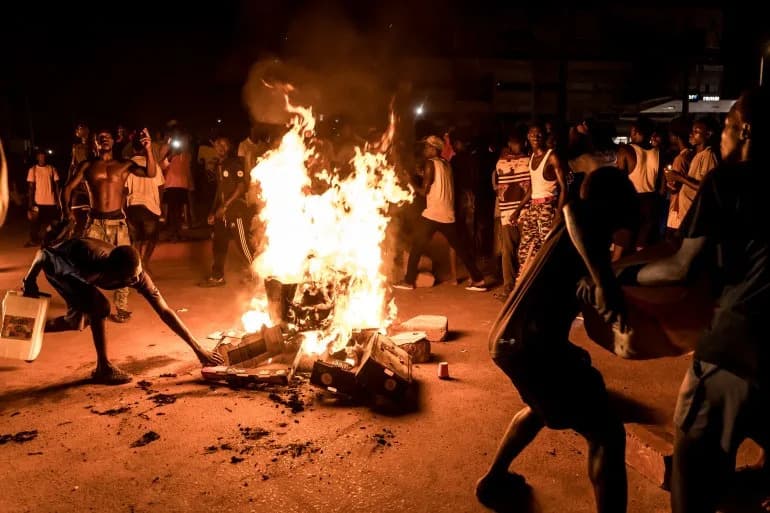
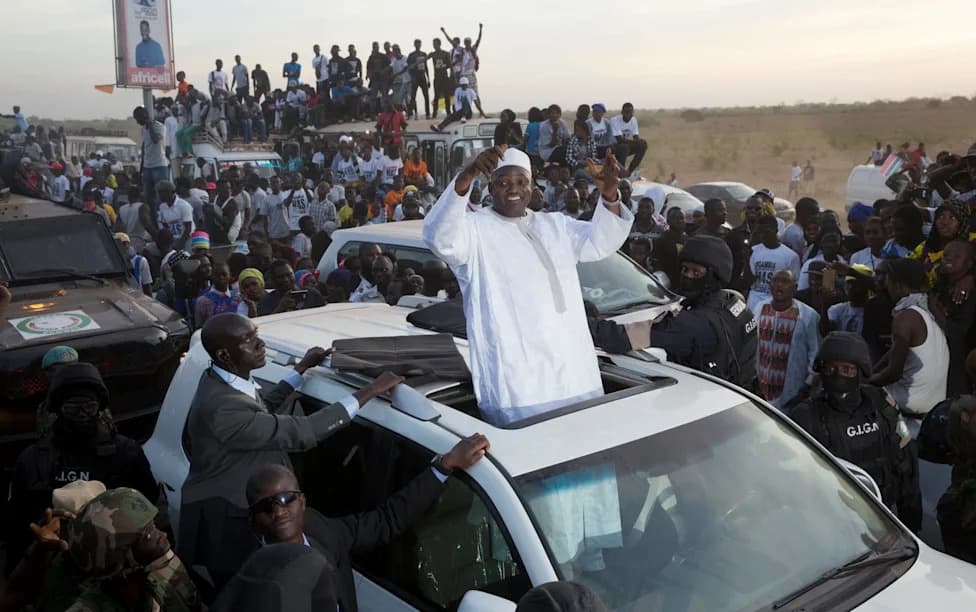
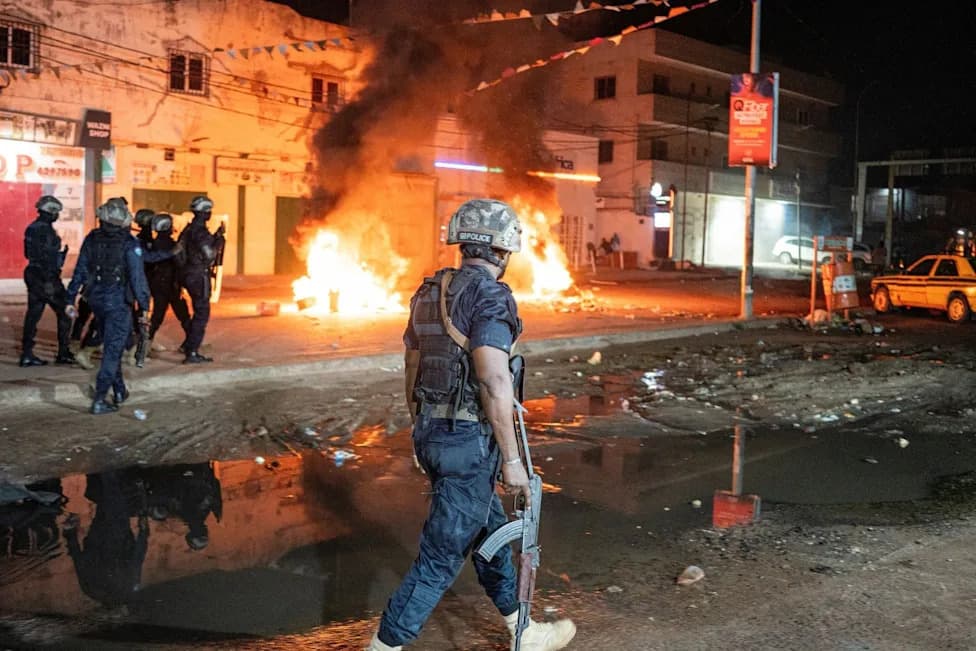
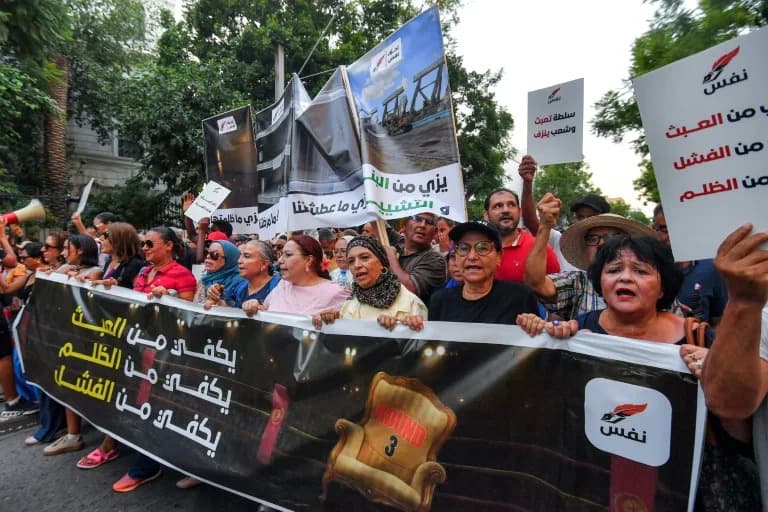
Two nights of spontaneous protests saw demonstrators block roads and call for President Adama Barrow to step down, coming months before voters head to the polls on December 5. The government says it is taking action: Vice-President Muhammed Jallow said a presidential taskforce has been meeting daily, and Barrow has pledged short-term and long-term measures to stabilise supply.
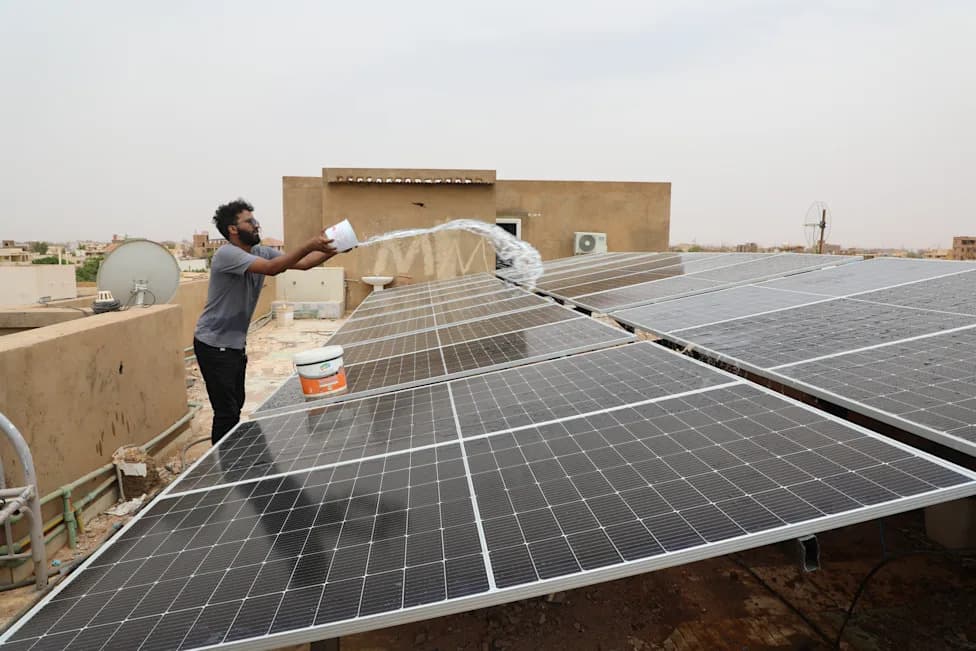
Barrow announced a 24-megawatt generation unit planned for commissioning by the end of October in Brikama and said a contract has been awarded for a 50-megawatt solar power plant in Soma. NAWEC, the national utility, has cited surging demand driven by high temperatures, constraints on electricity imports and a technical incident as causes of the outages. Barrow previously acknowledged that NAWEC owes money to Senegal's state provider Senelec, which has complicated electricity imports.
What This Means On The Ground
The combined effects—intermittent power, rising costs and damaged supply chains—have tightened household budgets and heightened public frustration. Small vendors, hospital staff and civil servants face immediate hardship, while the energy crisis has become a salient political issue ahead of the December election.
Outlook: Short-term fixes and the promised generation unit may ease the crisis if delivered on schedule, but long-term stability will depend on resolving financial liabilities, expanding domestic generation and investing in resilient infrastructure such as the planned solar plant.
Help us improve.