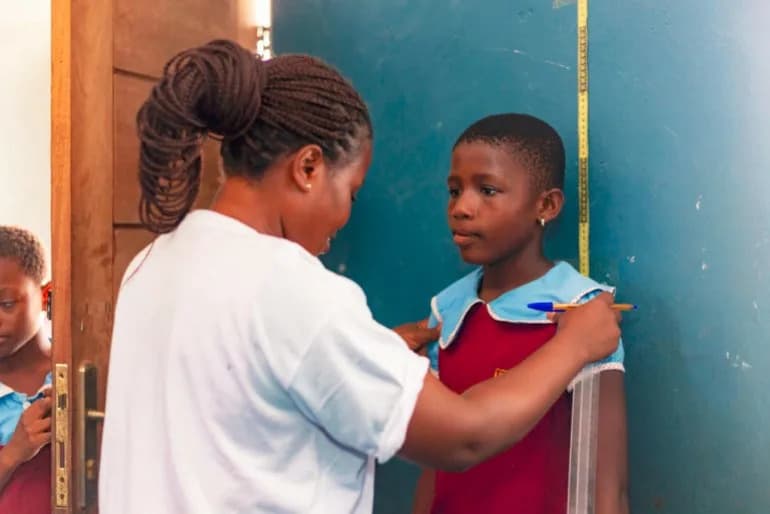
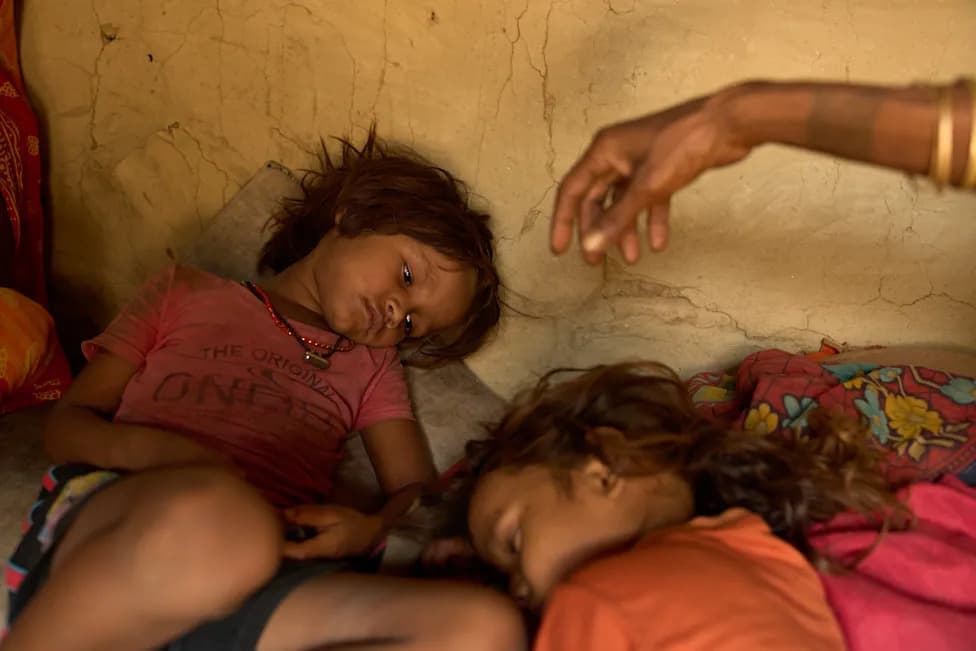
The Accra Reset report, A Sovereign Future For Health, warns that US withdrawals from aid programmes, combined with the Covid-19 pandemic and rising costs, have left health systems in Africa and the Global South under growing strain. It highlights that Africa produces under 1% of its vaccines while carrying about 25% of the global disease burden and claims external health financing fell nearly 70% between 2021 and 2025. The report cites specific impacts — including Nigeria absorbing 28,000 former USAID health workers at an estimated $200m cost, reported PEPFAR funding reductions in South Africa affecting 1.4 million people living with HIV, and Ghana losing about $78m after USAID programme closures — and calls for stronger country-led strategies backed by targeted donor support.
US Aid Withdrawal Leaves African Healthcare 'Under Growing Strain', New Report Warns
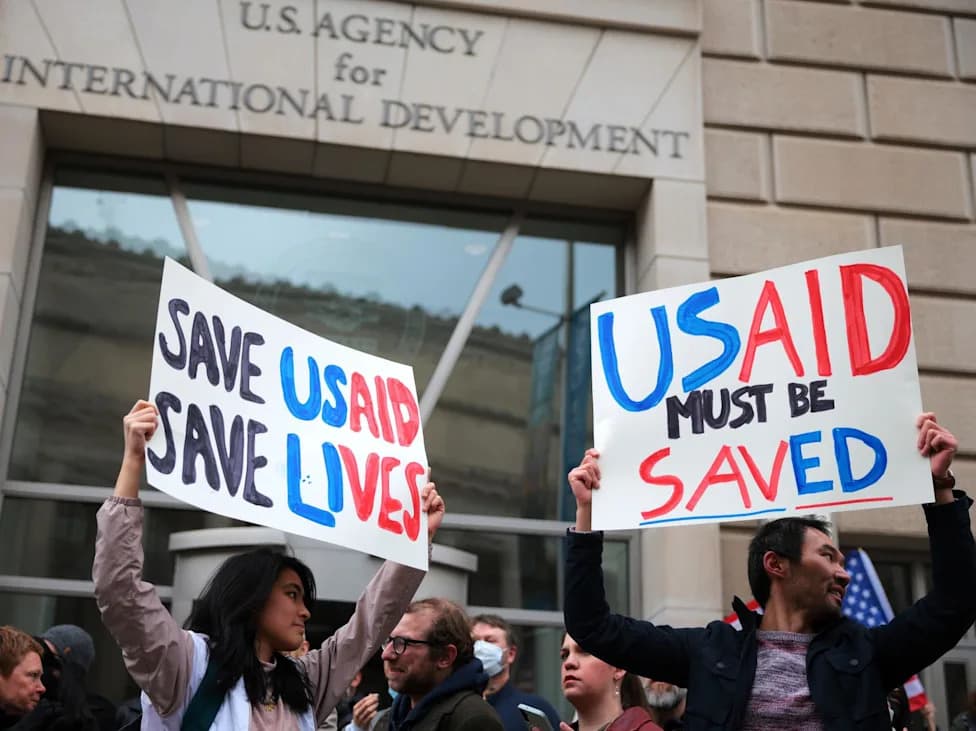
A new analysis warns that the United States' retreat from major aid programmes — alongside the Covid-19 pandemic and rising global living costs — has placed healthcare systems across Africa and the wider Global South "under growing strain." The report, A Sovereign Future For Health, was produced by the Accra Reset initiative, led by former Ghanaian president John Dramani Mahama, which calls for countries in the Global South to exercise greater ownership of their health agendas.
Key Findings
The report highlights a stark imbalance in global health production and burden: Africa produces less than 1% of the vaccines it uses while shouldering roughly 25% of the global disease burden. It documents how sudden shifts in global health financing have forced governments to reconfigure budgets and services urgently.
"External financing for health in Africa contracted by close to 70% between 2021 and 2025," the report says, adding that this rapid withdrawal has left many countries that relied on aid scrambling to adapt.
The report attributes several concrete consequences to changes in US policy and broader funding withdrawals. It cites the Trump-era push to sharply curtail or restructure US foreign aid programmes — which the report describes as including proposals to dismantle or significantly reduce the US Agency for International Development (USAID) — and says those moves prompted some countries to absorb programmes and staff at short notice. As one example, it says Nigeria absorbed roughly 28,000 health workers previously supported by USAID, at an estimated cost of $200 million.
The report also highlights the reported pullback of funding under the US President's Emergency Plan for AIDS Relief (PEPFAR) in South Africa. PEPFAR has been credited with saving millions of lives since 2003; the report says reductions in funding — commonly cited at more than $400 million a year in this context — contributed to clinic closures and left about 1.4 million people living with HIV facing uncertainty over treatment.
At the World Health Assembly in May, Mahama told delegates that Ghana lost an estimated $78 million after USAID programme closures affected maternal health, malaria treatment, nutrition and HIV/AIDS services. Research presented at the 26th International AIDS Conference in Brazil earlier this year described the funding cuts as causing "severe and devastating" disruption globally.
Policy Recommendations
The Accra Reset's central argument is for a shift toward country-led health strategies and greater regional capacity for essential health products, including vaccine manufacture. Naveen Rao, senior vice-president for health initiatives at the Rockefeller Foundation, is quoted in the report urging donors to support transitions to locally led priorities: "The Accra Reset is not an argument for traditional donors to do less on global health. It is an argument for doing it differently and doing it better."
The report calls for sustained international support that follows national priorities, investment in local production and technology transfer, stronger domestic financing mechanisms, and targeted transitional aid to avoid abrupt service disruptions.
Public Opinion
Alongside the report, polling commissioned by the Rockefeller Foundation of more than 2,000 US adults found substantial public support for restoring disease-prevention aid: 75% of respondents said the US should restore disease-prevention assistance to help contain Ebola, including 52% of respondents who primarily support Donald Trump. The survey also found that 65% of respondents back international cooperation even if it requires some trade-offs in national interests, and 64% believe Americans have a shared responsibility to people in other countries.
Context And Caution
Some phrasing in the report describes policy moves and their effects as decisive causes of specific national outcomes; however, independent verification of every causal claim is complex because local budget choices, other donor actions, and national economic conditions also shape health outcomes. The report is best read as a call to accelerate reforms and strengthen country-led systems rather than a definitive forensic account of every funding shift.
The Guardian has contacted the US Department of Health and Human Services (HHS) for comment.
Help us improve.