Renewables produced 33.8% of global electricity in 2025, surpassing coal’s 33.0% for the first time in about a century (Ember). Rapid cost declines in solar and batteries, driven largely by Chinese manufacturing scale, powered a tenfold increase in solar output since 2015. Wind and solar met nearly all new demand in 2025, but coal plants remain in operation and policy choices — especially in the U.S. — plus rising AI-driven electricity use are key uncertainties for how fast deep decarbonization proceeds.
Renewables Overtook Coal After a Century — What That Means for the Energy Transition
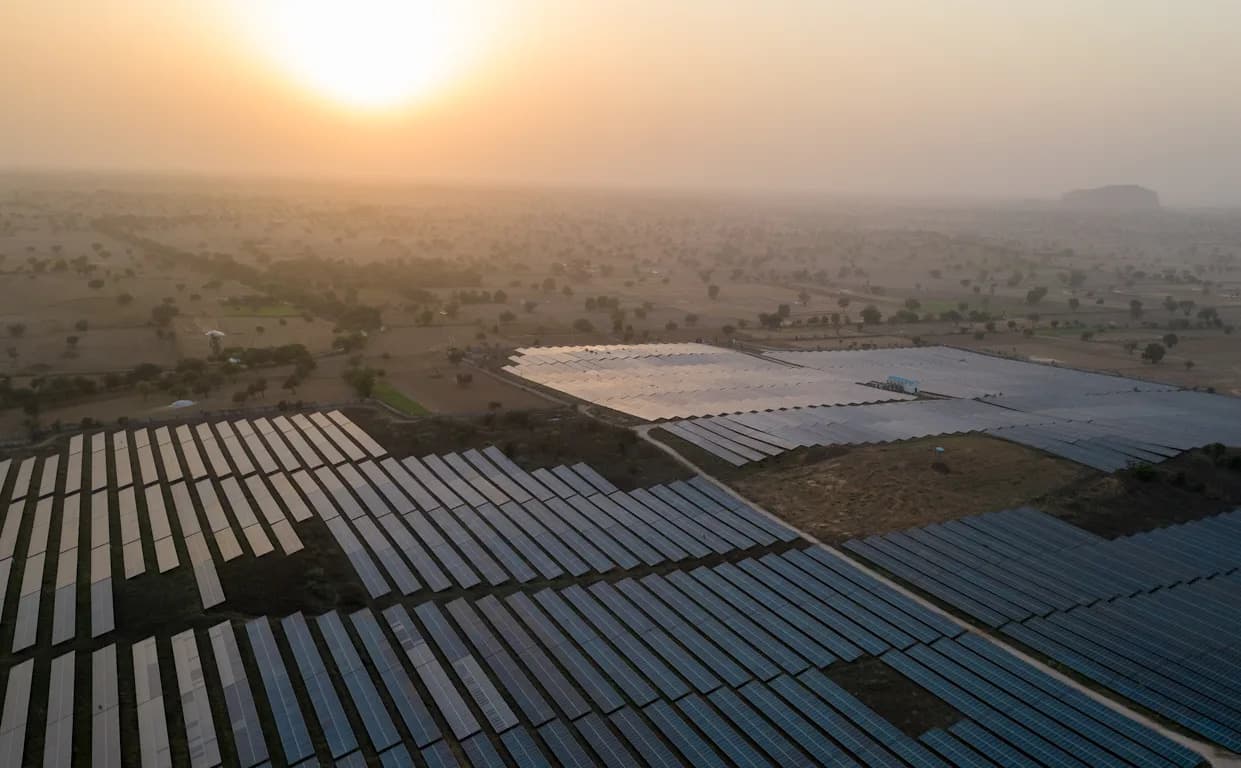
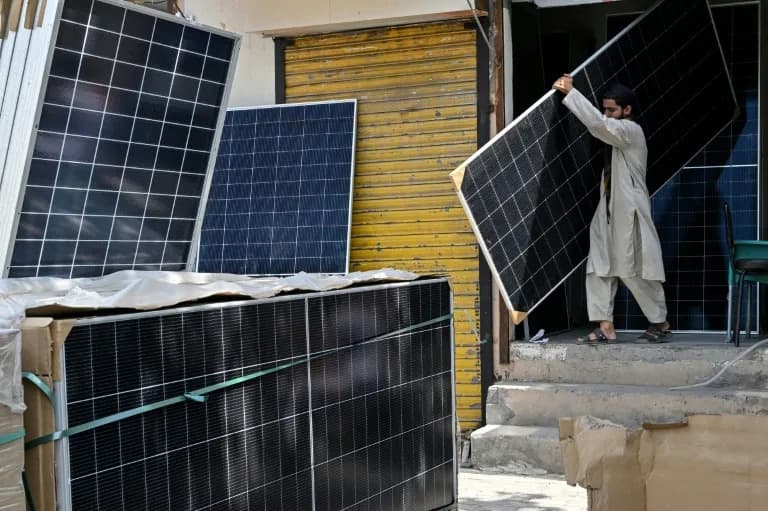
The rest of the world is building solar farms and battery plants as fast as the supply chains allow. The United States is trying to run against a market it no longer controls. | Ritesh Shukla/Getty Images
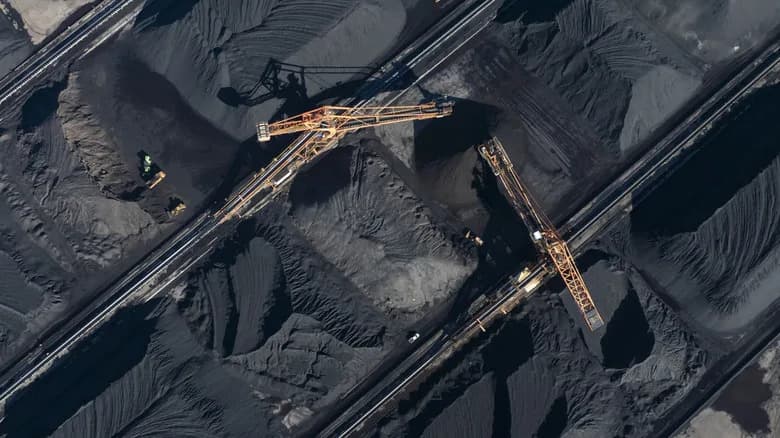
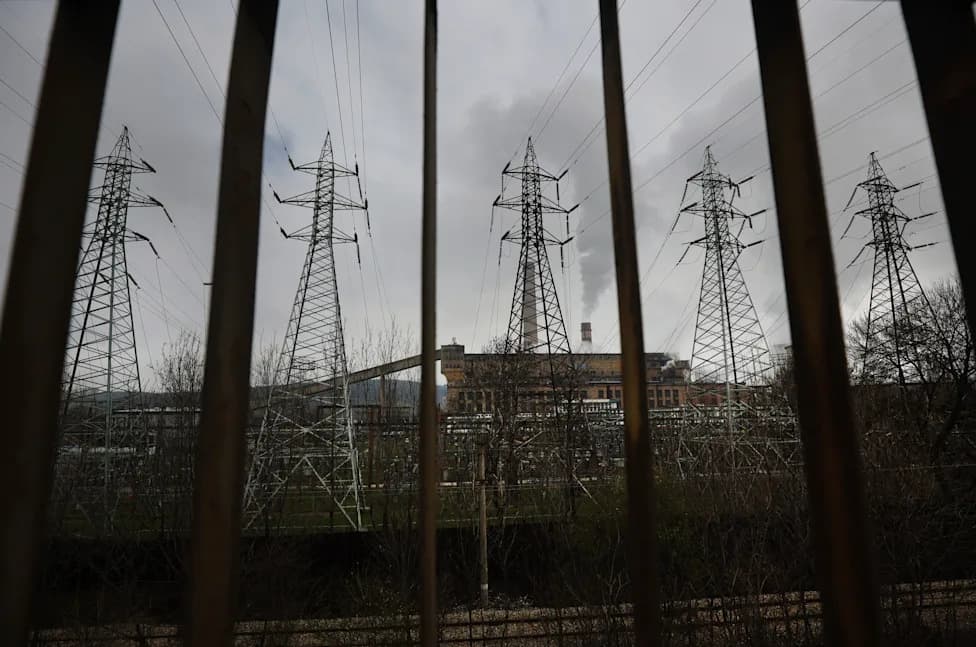
For more than a century coal powered the modern grid. When Thomas Edison’s Pearl Street station began operating in Lower Manhattan in 1882, coal was the dominant fuel. That long run finally shifted in 2025: renewables generated a larger share of global electricity than coal for the first time since about 1919.
What Happened
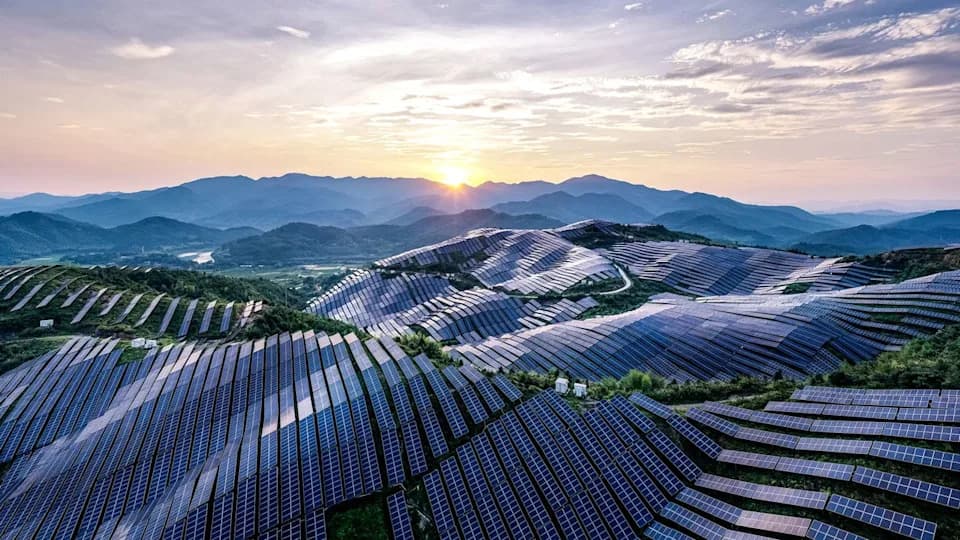
Ember’s Global Electricity Review 2026 reports that renewable sources produced 33.8% of the world’s electricity in 2025, compared with 33.0% for coal. Rapid growth in solar and wind — especially solar’s tenfold rise in output since 2015 — drove the change. Solar alone grew from roughly 256 terawatt-hours (TWh) in 2015 to about 2,778 TWh in 2025, and it doubled in the last three years.
Why Renewables Surged
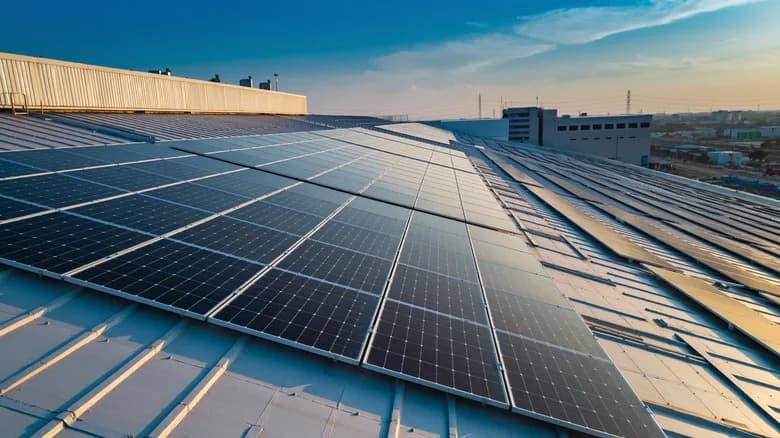
Falling costs: Solar module prices have followed a long-term decline (Swanson’s law), falling roughly 75% per decade and reaching about $0.10 per watt by late 2025. Battery costs also dropped sharply — about 20% in 2024 and another ~45% in 2025 — enabling storage to smooth solar’s intermittency. Global battery deployment rose about 46% in 2025 to ~250 gigawatt-hours.
Manufacturing scale: China now makes roughly 80% of the world’s solar panels and a larger share of the upstream materials (polysilicon, wafers, cells). Two decades of state-directed investment and huge manufacturing scale produced the cheapest large-scale electricity technology in history and global supply chains that can scale quickly.
Demand dynamics: In 2025, solar covered roughly 75% of the rise in global electricity demand; wind and solar together met about 99% of new demand. Global fossil-fuel generation (coal, oil, gas combined) fell ~0.2% in 2025 — the first decline since the pandemic.
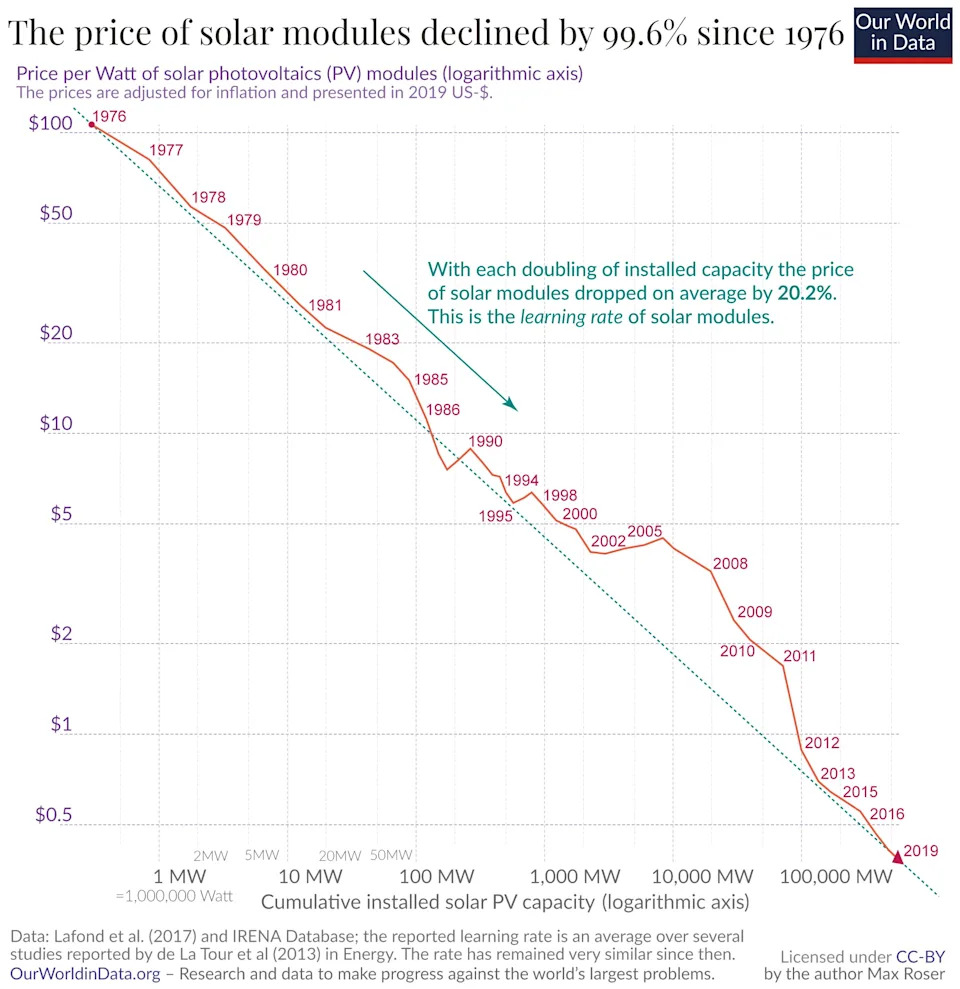
Chart depicts price of solar modules declined by 99.6% since 1976
Limits, Risks, And Policy
A shrinking market share for coal does not mean the coal fleet disappears overnight. Power-sector emissions in 2025 remained close to the record high set in 2024. China approved more than 40 gigawatts of new coal capacity in the first three quarters of 2025, and those plants will operate as backup capacity for years to come.
Policy choices matter. In the United States, the One Big Beautiful Bill Act removed the residential solar tax credit and restricted commercial eligibility, and analysts at the Rhodium Group project the law could cut U.S. clean-capacity additions through 2035 by more than half. Even so, global energy-transition investment reached a record $2.3 trillion in 2025 (BloombergNEF), with China investing roughly $800 billion and India boosting clean-energy spending about 15% to ~$68 billion.
There are additional uncertainties. The IEA estimates global data-center electricity use rose 17% in 2025, with AI-related demand growing faster and primarily met by gas in the U.S. If AI deployment expands rapidly without parallel clean-power growth, it could offset some recent gains.
Geopolitics And The Latest Shock
Chinese manufacturing dominance has turned clean power into a geopolitical issue — tariffs, trade disputes, and efforts to diversify supply chains. Meanwhile, recent conflicts and disruptions have accelerated the transition in some regions. The effective closure of the Strait of Hormuz amid the US–Iran war created the largest oil-market supply disruption the IEA has recorded, and buyers responded by accelerating solar, offshore wind, and grid-scale storage projects rather than defaulting to long-term fossil investments.
Why This Moment Matters
This is what Ember calls “the era of clean growth”: clean technologies are now growing fast enough to absorb most new electricity demand. Batteries are starting to make solar a viable 24-hour fuel, and renewables are already cheaper than building new fossil capacity in many places. But the transition’s ultimate pace will be shaped by policy, investment choices, and how new electricity demands (notably AI) are met.
A version of this story originally appeared in the Good News newsletter.
Help us improve.